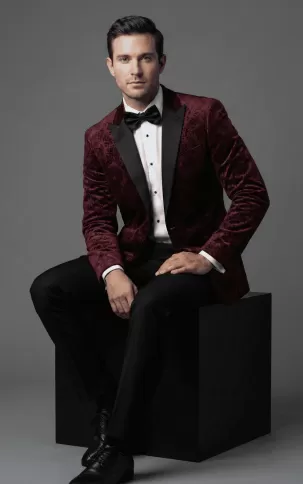



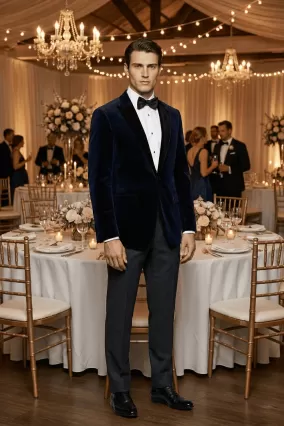
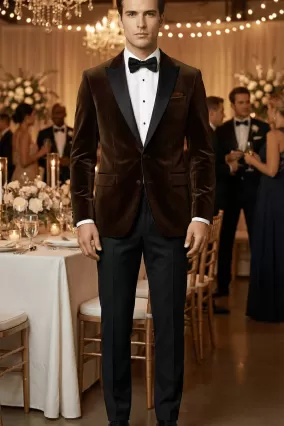
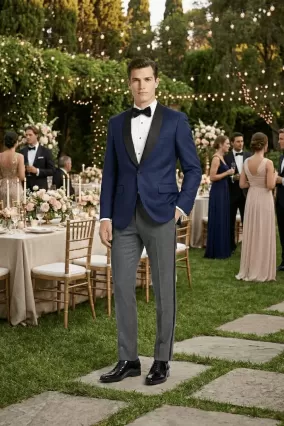
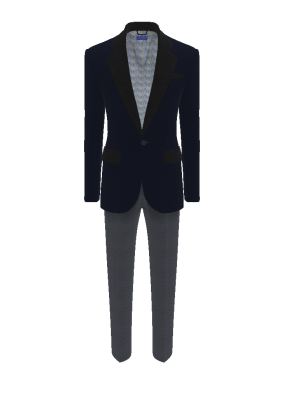
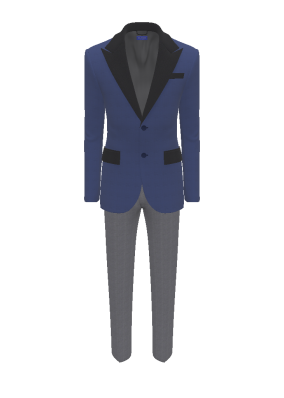
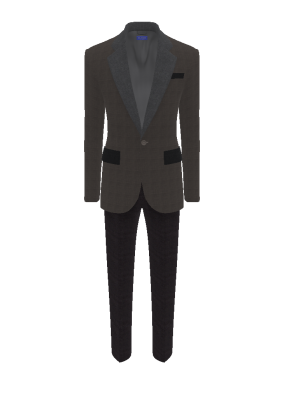
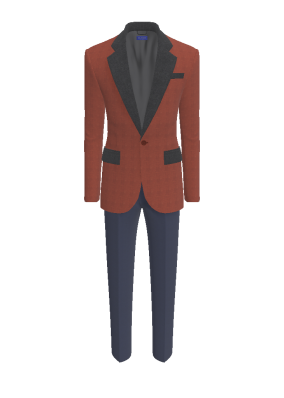
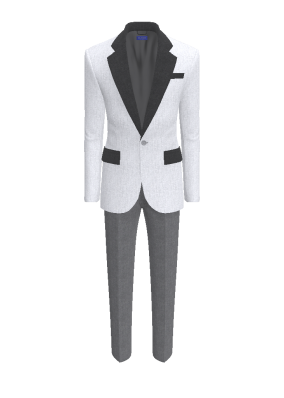
Select your stylistic foundation
Begin with a signature style
Select the fabric
Tailor Every Detail
Tailored to Your Size
Acquire Your Bespoke Tuxedo Online
Tuxedo Suit Ideas
Custom Luxury - Own Your Signature Tux
Brighten your look with a custom tux designed by Dunnio Tailor.
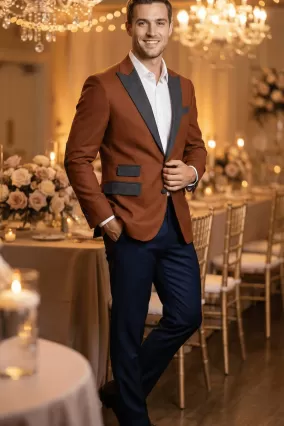
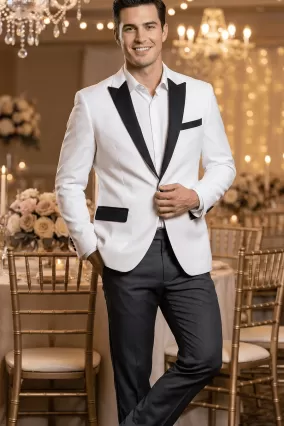
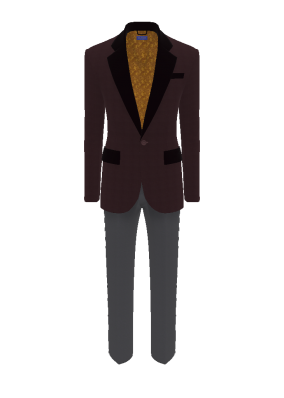
The espresso twill tuxedo suits - M3HL50
From $365
Each gentleman's formal suit is meticulously crafted to your precise specifications, guaranteeing an impeccable fit that radiates refined elegance. Constructed from superior materials, our formal attire merges classic design with outstanding artistry, ideal for your most distinguished events.
Bespoke Gentlemen's Formal Wear for Timeless Distinction
Dunnio's stylish guideline
The Sartorial Evolution of the Australian Groom: A Century of Men’s Wedding Attire
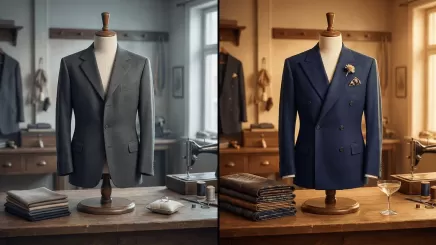
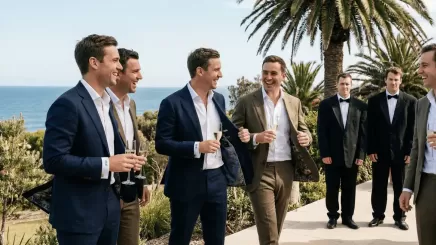
1940s Australian wedding suits: The sartorial architecture of austerity and exuberance
The best wedding suits for groom in Australia a strategic guide for 2025
The authoritative guide to expensive wedding suits for men in the Australian market (2025 edition)
Top fast-fashion brands that have wedding suits in Australia
How Dunnio tailor's bespoke approach eliminates the pain points of off-the-rack suits
Craft Your Signature Tuxedo
What is the difference between a "Bespoke" suit and a "Made-to-Measure" suit?
While the terms are often used interchangeably in the industry, there is a technical difference:
- Bespoke traditionally involves creating a brand-new pattern from scratch for your specific body, requiring multiple "baste" fittings (where the suit is half-made) and taking months to complete. Brands like Woolcott St or The Bespoke Corner specialize in this high-touch, labor-intensive process.
- Made-to-Measure (MTM), which is the standard for Dunnio, InStitchu, and Hockerty, involves taking a master pattern and adapting it to your unique measurements. This allows for a near-perfect fit and extensive customization (lapels, linings, fabrics) but at a much more accessible price point and faster turnaround time (typically 4–6 weeks). For 99% of wedding parties, MTM offers the ideal balance of fit, quality, and coordination.
Should I call it a Tuxedo or a Dinner Suit?
In Australia, the traditional and formally correct term is Dinner Suit. However, the American term Tuxedo is widely understood and accepted. Both refer to the same garment: a suit distinguished by satin or grogram facings on the jacket lapels, buttons, and a satin stripe down the trouser leg. If your invitation says "Black Tie," you require a Dinner Suit.
What is the difference between a Vest and a Waistcoat?
This is a common point of confusion in Australia.
- Waistcoat: This is the formal, sleeveless third piece of a suit, tailored to fit snugly over your shirt and ending just below the waistband of your trousers. It usually has a silk or lining-fabric back. This is the correct term for wedding attire.
- Vest: In Australia, "vest" can often refer to a casual padded garment (like a puffer vest) or an undershirt (singlet). While some use "vest" to mean waistcoat, we strictly use Waistcoat to avoid any confusion and ensure your formal look is on point.
How far in advance should I order my tuxedo suit?
We recommend a 3-Step timeline to ensure a stress-free experience:
- 6 months out: Book your initial consultation (or start browsing fabrics online). This is the time to finalize your color palette and the "look" for your groomsmen.
- 3-4 months out: Submit final measurements and place the order. This provides a generous buffer for production and shipping.
- 4-6 weeks out: Receive the suit. This timing allows for a final "fit check." If you've lost weight (common for grooms!), this gives you plenty of time to use our alteration guarantee to nip in the waist or hem the trousers locally. Note: While we can produce suits much faster (often in 3-4 weeks), we strongly advise this buffer for weddings to account for any unforeseen logistics.
I want to stand out from my groomsmen. What do you recommend?
Distinction should be subtle but deliberate. We recommend "coordination over uniformity".
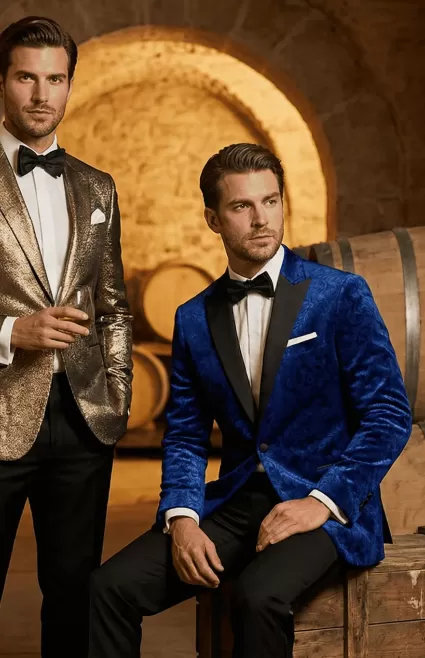
- Texture: Wear a velvet jacket (e.g., in Bottle Green or Midnight Blue) while your groomsmen wear classic wool suits.
- The Waistcoat: Wear a Double-Breasted Waistcoat (with a scooped neckline) while your groomsmen wear a Single-Breasted version. This is a classic, elegant distinction.
- Lapels: Opt for a Peak Lapel or Shawl Collar for yourself, and a Notch Lapel for the groomsmen.
- Accessories: Wear a self-tie bow tie (essential for the groom!) while groomsmen can wear ties or pre-tied bows. A larger or different colored boutonniere also helps.
What fabrics are best for an Australian summer wedding (Nov–March)?
The Australian summer demands breathability.
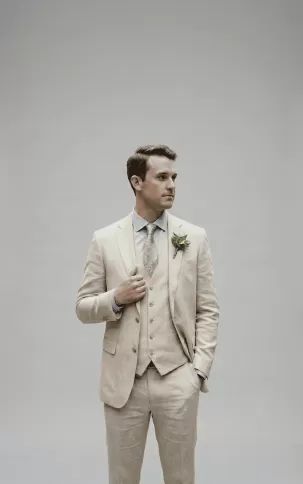
- Linen-Wool Blends: This is our top recommendation. You get the breathability and texture of linen, but the wool content prevents the suit from looking like a crumpled mess after an hour.
- High-Twist Wool (Fresco): An open-weave wool that lets the breeze through. It resists wrinkling brilliantly, making it perfect for standing at the altar in 30°C heat.
- Cotton/Seersucker: For winery or beach weddings. Colors like Stone, Sage, or Beige are trending heavily for 2026 and reflect sunlight better than dark Navy.
I plan to lose weight before the wedding. When should I measure?
This is the most common question we get! We recommend:
- Select your fabric and pay for your order early (4+ months out) to lock in the price and ensure the fabric stock is reserved.
- Delay measurement submission until roughly 10–12 weeks before the wedding. This captures your "new" body shape while still leaving enough production time.
- Final Tweak: If you lose more weight in the final 8 weeks, our Perfect Fit Guarantee covers the cost of local alterations to take the suit in further.
My groomsmen live in different states. How do we coordinate?
We specialize in this. Since we use a digital-first model:
- The Groom sets up a "Wedding Party" profile with the chosen fabrics and styles.
- Each groomsman can log in from their location (Sydney, Perth, London) and submit their own measurements using our video guide.
- Pro Tip: For peace of mind, we recommend groomsmen visit a local alteration tailor for a "measurement only" service (usually $20-$30) to get pro numbers, then input those into our system.
- We collate the orders to ensure all suits are cut from the same fabric batch (dye lot), ensuring perfect color matching.
Can groomsmen pay for their own suits?
Yes. Once the Groom creates the group order, we can generate unique checkout links for each groomsman. They can pay individually and input their own shipping addresses.
Do you offer wedding party packages?
Yes. Consistent with market standards, we offer tiered volume discounts.
- 3+ Suits: 15% Discount.
- 5+ Suits: 20% Discount.
Note: This includes a free fabric swatch kit sent to the Groom's home so you can see the colors in natural light before committing.
What is the "Perfect Fit Guarantee"?
We understand the fear of ordering online. Our guarantee mirrors the best in the industry:
- Alterations: If the suit needs minor adjustments (e.g., sleeve length, waist intake), visit any local alteration tailor in Australia. Send us the receipt, and we will reimburse you up to $75 AUD per suit.
- Remake: If the suit cannot be altered (e.g., the shoulders are too tight), we will remake it for free. You simply need to send us photos of the fit issues and your updated measurements.
- Time Limit: You must initiate a fit claim within 30 days of delivery.
What if I need a remake but the wedding is next week?
This is why the 3-month buffer is vital. A remake typically takes 3 weeks. If you are in a genuine emergency, contact our support team immediately. We can often rush production, but we cannot perform miracles of physics. For last-minute emergencies, we will work with you to fund extensive local tailoring to make the existing garment work.
The invitation says "Black Tie Optional." Do I have to buy a Tuxedo?
No, but you must respect the formality.
- The Translation: "The Groom is wearing a Tuxedo. We would love for you to wear one too, but we don't want to force you to rent one."
- The Safe Bet: If you don't own a Dinner Suit, wear a Black, Charcoal, or Midnight Blue lounge suit. Wear a white shirt and a conservative dark tie.
- The Don't: Do not wear a light grey suit, beige chinos, or a loud patterned shirt. Do not wear a bow tie with a normal suit—it looks like a costume. If not in a Tuxedo, wear a long tie.
What does "Smart Casual" mean for an Australian wedding?
It implies "Polished but Relaxed."
- Do: Chinos (Navy, Sand, Olive) + a tailored blazer/sports coat + a crisp collared shirt (tucked in) + leather loafers or R.M. Williams boots.
- Don't: Jeans (unless specifically told "Casual"), T-shirts, Polo shirts (unless very high quality and under a jacket), or running shoes.
- Context: For a winery wedding, a linen blazer is perfect. For a city wedding, a wool blazer is safer.
Can I wear a black suit to a wedding?
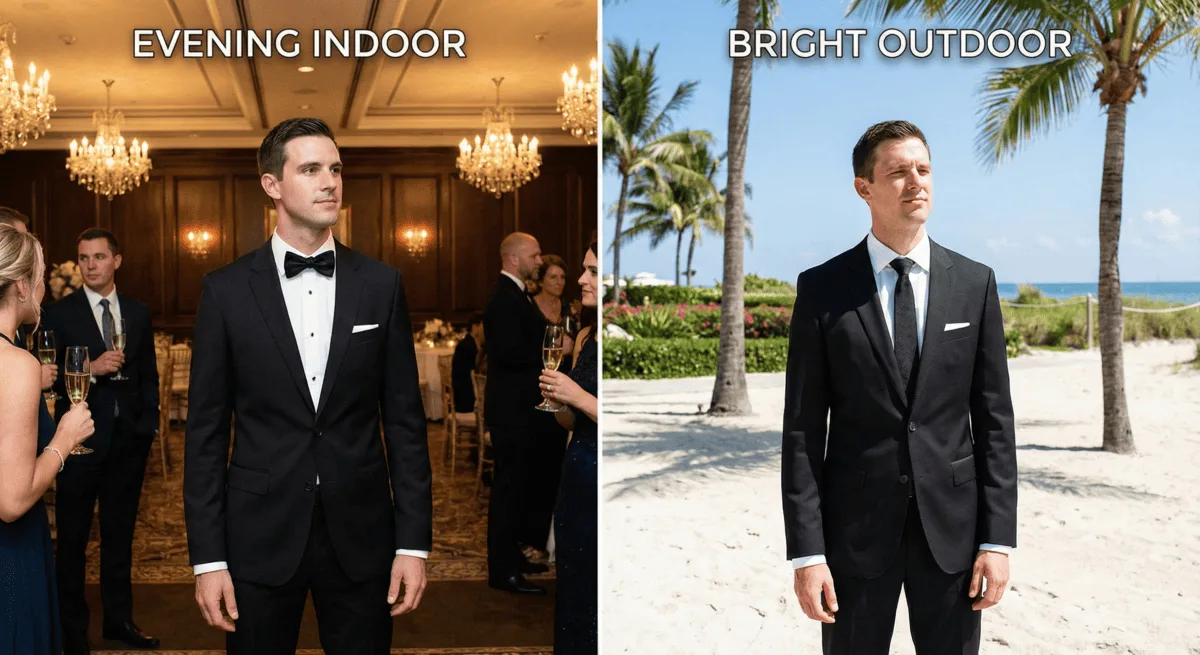
Yes, absolutely. The old rule that "black is for funerals" is largely dead in Australia. A sharp black suit, white shirt, and a silver or black tie is a classic, formal look suitable for evening or "Cocktail" weddings. However, for a beach or garden daytime wedding, it may look too stark (and you will be hot!) - opt for Blue or Grey instead.
I’ve been told to get a "Vest" for my wedding suit. Is that correct?
In the Australian market, you should specifically ask for a Waistcoat. While "vest" is the standard American term for the sleeveless third piece of a suit, in Australia, asking for a "vest" can lead to confusion. Historically and culturally, "vest" here often refers to a singlet (undershirt) or a padded puffer vest worn for warmth. To ensure you receive the formal, tailored garment that sits elegantly under your jacket, always use the term Waistcoat. For 2026, the double-breasted waistcoat with a "scooped" neckline is a particularly strong trend for grooms wishing to distinguish themselves from their groomsmen.
Can I wear my R.M. Williams boots to a wedding?
This is perhaps the most debated question in Australian menswear. The answer depends entirely on the specific dress code and venue:
- Yes: For Cocktail, Smart Casual, or Winery/Rustic weddings. A pristine, polished pair of R.M. Williams Craftsman boots (specifically in Yearling leather, not suede/nubuck) is considered a staple of Australian style and is perfectly acceptable.
- No: For strict Black Tie weddings. Tradition dictates patent leather oxfords or velvet loafers. While some Australians do wear boots to Black Tie events, it technically breaks the rules of formal evening wear.
- The Compromise: If you must wear boots, ensure they are black, highly polished, and worn with a suit trouser that has a slightly wider break to accommodate the boot shaft.
What is the difference between a "Dinner Suit" and a "Tuxedo"?
Technically, they are the same garment. Dinner Suit is the traditional British/Australian term, while Tuxedo is the American term. However, in the current market, "Tuxedo" is becoming the dominant search term. For your wedding invitations, "Black Tie" is the correct code to indicate that men should wear this garment (black/midnight blue jacket with satin lapels, bow tie, and satin-striped trousers).
I’m getting married in February (Summer). How do I avoid sweating through my suit?
You need to look for "High-Twist" Wools or Open-Weave fabrics (often called Fresco). Unlike standard suit wool which traps heat, high-twist wools are woven with gaps that allow air to physically pass through the fabric, cooling your skin.
- Alternative: Linen-Wool Blends. Pure linen wrinkles aggressively, which looks messy in photos. A linen-wool blend gives you the "breathability" and texture of linen but the structure and drape of wool, ensuring you look sharp at the altar and at the reception.
- Construction: Ask for "Soft Tailoring" or "Half-Lined" jackets. This removes the heavy internal padding and lining layers, significantly reducing the heat retention of the jacket.
What are the trending colours for Australian weddings in 2026?
We are seeing a massive shift away from standard Navy. The 2026 palette is defined by "Earthy Neutrals" and "Jewel Tones":
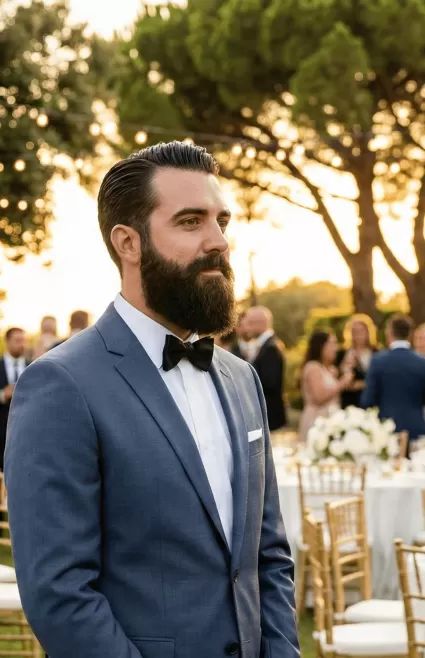
- Daytime/Outdoor: Sage Green, Stone, Clay, and Sand. These colours photograph beautifully in natural light (vineyards/beaches) and feel less severe than black.
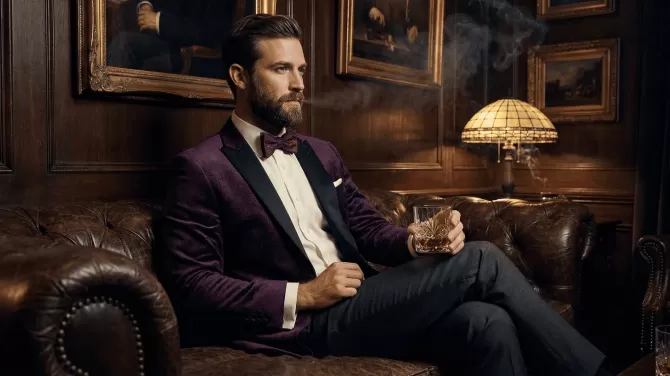
- Evening/Formal: Deep Emerald, Sapphire Blue, and Burgundy. Grooms are increasingly using these rich colours in fabrics like velvet to stand out, while their groomsmen remain in neutral tones.
My groomsmen live in Sydney, Perth, and Brisbane. How do we get matching suits?
This is a common logistical headache that we solve with our Digital-First Custom Platform.
- The Profile: You (the Groom) create a "Wedding Party Profile" with your chosen fabric and design.
- Remote Measurement: Groomsmen in other cities use our AI-driven measurement tool or follow our video guide to measure themselves at home.
- Verification: For peace of mind, we recommend groomsmen visit a local alteration tailor for a quick professional measurement (usually a small fee) and input those numbers into our system.
- Batching: We group the orders to ensure all suits are cut from the same dye lot (fabric roll), guaranteeing perfect colour matching across the group.
How far in advance do I need to order?
We recommend a 3-Month Buffer strategy.
- Month 1: Finalize your fabric and design.
- Month 2: Submit measurements. (Note: If you plan to lose weight, submit these 8-10 weeks before the wedding, not earlier).
- Month 3: Production and Delivery.
- The Buffer: This leaves 4 weeks before the wedding for any final local tweaks. While our production is fast (often 4-6 weeks), weddings require a safety margin for stress-free preparation.
How can I stand out from my groomsmen without wearing a different colour?
"Texture over Colour" is the sophisticated way to do this in 2026.
- Velvet: Wear a black velvet dinner jacket while your groomsmen wear standard black wool.
- The Waistcoat: Wear a Double-Breasted Waistcoat while your groomsmen wear single-breasted (or none).
- The Lapel: Opt for a Shawl Collar (rounded) for yourself, and Peak Lapels (pointed) for your groomsmen. This subtle geometric difference marks you as the principal figure without breaking the colour theme.
What exactly does "Black Tie Optional" mean for a guest in Australia?
It translates to: "The Groom is wearing a Tuxedo, and he wants you to look as formal as possible without forcing you to rent a suit."
- Do: Wear a Tuxedo if you own one. If not, wear a solid Black, Midnight Blue, or very dark Charcoal lounge suit with a white shirt and a conservative dark tie.
- Don't: Wear a light grey suit, chinos, or an open-necked shirt. Also, never wear a bow tie with a normal suit—it looks like a costume. If you aren't wearing a tuxedo, stick to a long tie.
I want a "Soft Tailored" look. What does that mean?
"Soft Tailoring" (or the Neapolitan cut) is a major trend for 2026. It involves:
- Natural Shoulders: No thick padding, following your natural body slope.
- Light Canvas: The internal structure is minimal, making the jacket feel like a cardigan rather than armour.
- Matte Fabrics: Using cottons, linens, and flannel wools rather than shiny worsted wools.
- Why choose it? It looks effortless, relaxed, and modern—perfect for the Australian "laid-back luxury" vibe.