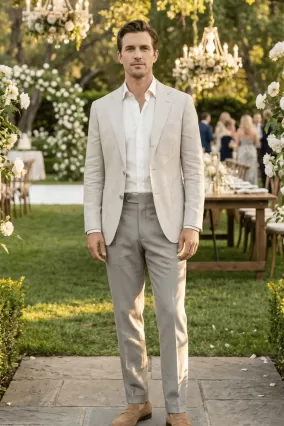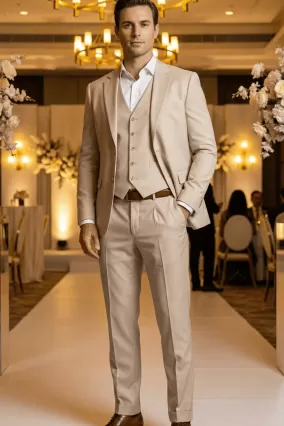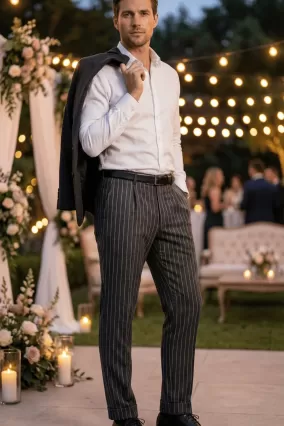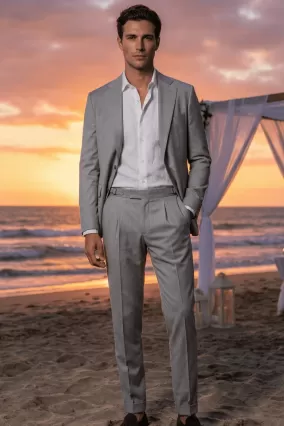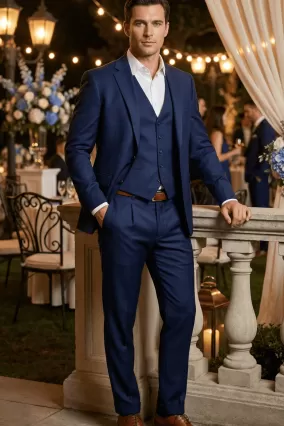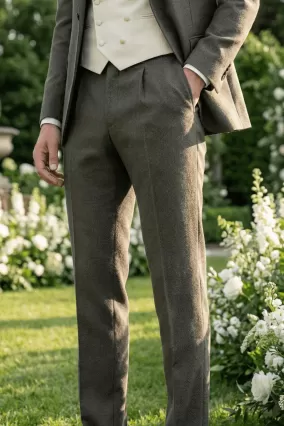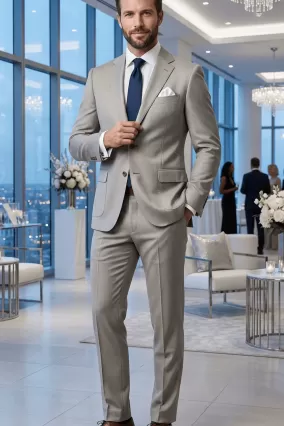
The wedding jacket represents one of the most important garment investments in a man's wardrobe, yet the majority of Australian men struggle to find options that truly fit their physique. With average measurements sitting at 175.6 centimeters in height and 99.3 centimeters around the waist, the typical Australian male body type doesn't align with European or American sizing standards that dominate ready-to-wear collections.
Table of Contents[Hide]
- When standard sizing fails the modern Australian gentleman
- 1. Understanding Australian male body characteristics and their impact on jacket fit
- 2. Tailoring solutions for the solid build: Creating elegant proportions through strategic design
- 3. Engineering mobility and definition for athletic builds
- 4. Fabric technology for Australian climate conditions
- 5. Jacket styles and their appropriate wedding contexts
- 6. Color coordination and wedding party cohesion
- 7. Styling details that elevate wedding jacket presentation
- 8. Accessorizing the wedding jacket ensemble
- 9. Practical considerations for wedding day comfort and functionality
- 10. The question of jacket necessity at modern weddings
- 11. Conclusion: Investing in properly engineered wedding attire
When standard sizing fails the modern Australian gentleman
This disconnect creates frustration during wedding preparation. A jacket wedding ensemble that fits perfectly across the shoulders often pulls uncomfortably at the midsection. Conversely, sizing up to accommodate the torso results in excess fabric billowing around the waist, destroying the tailored silhouette essential for formal occasions.
The solution lies not in accepting ill-fitting compromises but in understanding how tailoring engineering addresses the specific anthropometric characteristics of Australian men. This technical approach transforms wedding jacket men's selections from generic formalwear into precision garments that celebrate individual body types while delivering comfort throughout long celebration days.
1. Understanding Australian male body characteristics and their impact on jacket fit
The Australian lifestyle cultivates distinct physical traits that influence how jackets to wear to a wedding should be constructed. An outdoor-oriented culture emphasizing rugby, Australian rules football, and beach activities develops muscular builds with broad shoulders and developed lower bodies. Meanwhile, the average body mass index hovering around 28 indicates that many men carry additional weight, particularly around the midsection.
These characteristics create two predominant body profiles that require different tailoring approaches. The first encompasses men with solid builds who store weight centrally, creating what's colloquially termed the apple shape. The second includes athletic builds with pronounced shoulder-to-waist ratios, developed quadriceps, and substantial gluteal muscles from active lifestyles.

Standard ready-to-wear wedding jacket for men collections typically employ a drop-six formula, where the chest measurement exceeds the waist by six inches. This standardized approach fails both Australian body types. Men with central weight distribution require drop-four or even drop-zero patterns, while athletic builds need drop-eight or drop-ten configurations to achieve proper fit.
Understanding the unique challenges of finding the perfect fit for Australian builds is the first step; for a complete guide on securing the ideal look, explore our full resource on Australian men's wedding fashion.
The thermal regulation challenge compounds these structural issues. Higher average body mass generates more heat, making polyester-lined budget jackets uncomfortable during Australian wedding seasons. Understanding these fundamental challenges provides the foundation for selecting or commissioning wedding attire that performs beautifully throughout the celebration.

2. Tailoring solutions for the solid build: Creating elegant proportions through strategic design
For men carrying weight around the midsection, the jacket for men in wedding contexts must employ specific construction techniques that create visual elongation while ensuring comfort during seated portions of ceremonies and receptions.
2.1. Half-canvas construction as the foundation
The most critical technical element is half-canvas construction. This method places a floating canvas layer through the chest and lapel area, creating structured definition in the upper jacket while leaving the lower portion soft and flexible. Unlike fused construction where adhesive bonds fabric layers, the floating canvas moves independently, allowing the jacket to drape naturally over the stomach without creating the stiff buckling that occurs when seated.

This construction method acts as an architectural shield, smoothing the chest area while the unstructured lower body skims over the midsection rather than clinging or pulling. The investment in half-canvas construction delivers immediate visual benefits and long-term comfort that fused alternatives cannot replicate.
2.2. Button stance engineering for vertical emphasis
Lowering the button stance by approximately two centimeters compared to standard positioning creates a deeper lapel vee that draws the eye vertically rather than horizontally. This subtle adjustment produces a powerful optical effect, making the torso appear longer and leaner.
When combined with moderate to wide lapel widths of eight to nine centimeters, this configuration balances body proportions effectively. Narrow lapels create unfavorable contrast that emphasizes body width, while properly proportioned lapels frame the torso in a flattering manner.

2.3. Trouser design that eliminates waist pressure
The suit jacket for men wedding ensemble remains incomplete without addressing trouser construction. High-rise trousers that sit at the natural waist, combined with side adjusters rather than belt loops, eliminate the horizontal line that bisects the body and draws attention to the midsection.
Side adjusters provide seamless waist adjustment without the visual interruption of a belt, creating an unbroken vertical line from shoulder to hem. This detail, often overlooked in ready-to-wear wedding suit jackets, significantly impacts overall appearance and comfort throughout long wedding days.

3. Engineering mobility and definition for athletic builds
Men with developed shoulders, substantial thigh muscles, and pronounced gluteal development from active lifestyles require different technical approaches in their wedding suit jackets for men. The priority shifts from creating slimming effects to ensuring freedom of movement while celebrating natural body definition.
3.1. High armhole construction for unrestricted movement
The armhole height represents one of the most significant differences between bespoke tailoring and ready-to-wear production. Standard manufacturing uses low, generous armholes that accommodate a wide range of body types but create a fundamental problem: when the wearer raises his arms, the entire jacket body lifts with the movement.

High armholes cut close to the natural armpit separate arm movement from jacket body movement. When the groom raises his arms to embrace his partner or dance, the suit jacket wedding garment remains in position rather than bunching upward. This technical detail, invisible when standing still, becomes immediately apparent during the dynamic movements of wedding celebrations.
3.2. Shoulder treatment that honors natural structure
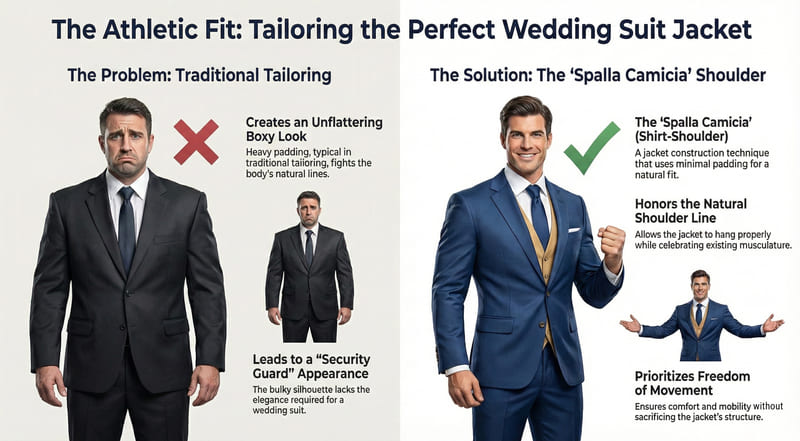
Athletic builds already possess broad, defined shoulders that require no enhancement. Heavy padding characteristic of traditional English tailoring creates an unflattering boxy appearance reminiscent of security personnel rather than elegant wedding guests.
The spalla camicia or shirt-shoulder construction uses minimal padding, allowing the natural shoulder line to show through while providing just enough structure for the jacket to hang properly. This approach to the blazer jacket for men wedding contexts celebrates existing musculature rather than fighting against it.
3.3. Trouser modifications for muscular lower bodies
Developed quadriceps and glutes require specific trouser adjustments that ready-to-wear patterns rarely accommodate. A generous seat outlet, which refers to extra fabric allowance in the rear seam, provides room for substantial gluteal muscles without creating tightness or the dreaded crotch blowout that occurs when fabric is stressed beyond its limits.
The crotch curve itself requires lowering and reshaping to cup the body comfortably. Combined with adequate thigh room that doesn't compromise the overall tapered silhouette, these adjustments transform the long jacket for men wedding ensemble from restrictive formalwear into comfortable attire suitable for full-day wear.

4. Fabric technology for Australian climate conditions
The material selection for jackets to wear to a wedding in Australia requires careful consideration of thermal properties, drape characteristics, and moisture management. Two fabric categories stand out for their performance in Australian conditions.
4.1. High-twist fresco wool for structured breathability
Fresco wool, characterized by its high-twist yarn construction, creates an open weave structure that allows maximum airflow while maintaining crisp definition. The fabric's dry hand and firm drape make it particularly suitable for solid builds, as it holds its shape over soft tissue rather than clinging to body contours.
The open weave functions like architectural mesh, permitting heat to escape while the structured nature of the fabric creates clean lines. For summer weddings, fresco wool in lighter weights provides the formal appearance required for wedding occasions without the thermal burden of denser weaves.

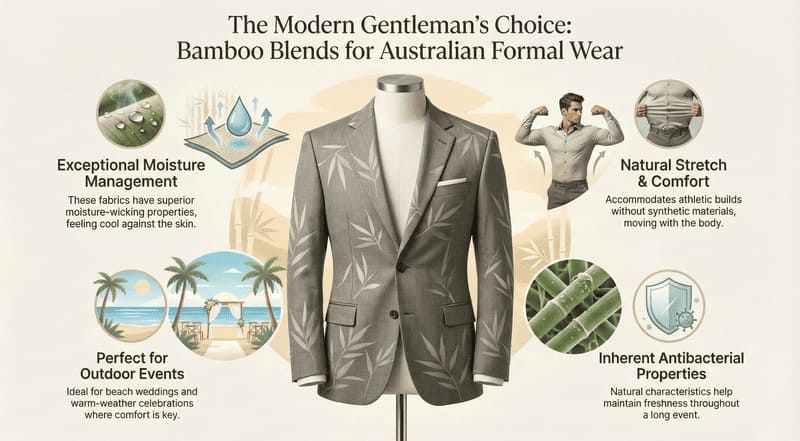
4.2. Bamboo blends for moisture management and softness
Natural bamboo fibers blended with wool or other materials create fabrics with exceptional moisture-wicking properties and inherent antibacterial characteristics. The resulting material feels cool against the skin and moves with the body, making it ideal for athletic builds that generate heat during movement.
Bamboo blends offer subtle natural stretch that accommodates muscular physiques without requiring synthetic elastane additions. For beach weddings or outdoor celebrations in warm weather, these fabrics deliver comfort that traditional wool cannot match while maintaining the refined appearance appropriate for formal occasions.
5. Jacket styles and their appropriate wedding contexts
Understanding when to wear specific jacket styles ensures appropriate formality levels for different wedding roles and venue types.
5.1. The classic two-piece suit jacket
The foundation of men's casual jacket for wedding guest attire, the two-piece suit jacket paired with matching trousers provides versatile formality suitable for most daytime and evening celebrations. Single-breasted configurations with notch lapels offer timeless appeal, while peak lapels add formality appropriate for black-tie optional events.
For guests wondering do you have to wear a jacket to a wedding, the answer depends on the specified dress code. However, a well-fitted suit jacket always represents a safe choice that demonstrates respect for the occasion and hosts.

5.2. Three-piece configurations for elevated formality
Adding a waistcoat to create a three-piece ensemble increases formality while providing practical benefits. The waistcoat covers the trouser waistband and shirt, maintaining a polished appearance even when the jacket is removed during receptions. This configuration suits grooms and groomsmen seeking distinguished appearance without full tuxedo formality.

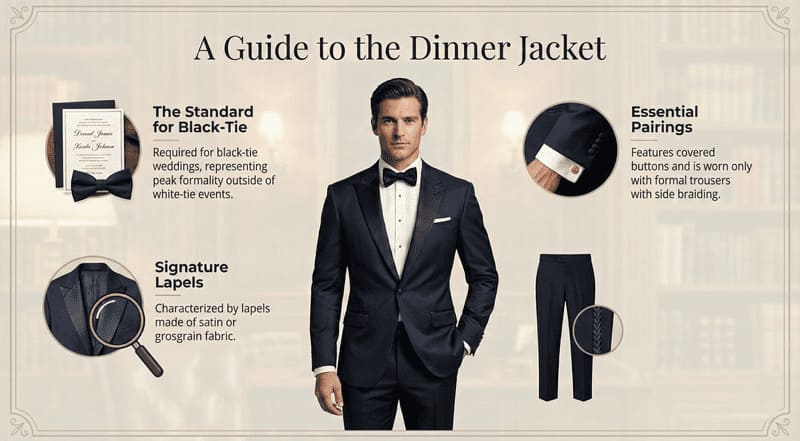
5.3. The dinner jacket for black-tie celebrations
When invitations specify black-tie dress codes, the dinner jacket becomes essential. Characterized by satin or grosgrain lapels, covered buttons, and worn exclusively with formal trousers featuring side braiding, the dinner jacket represents the highest level of wedding formality outside white-tie events.
5.4. Specialized options for contemporary weddings
Modern wedding aesthetics have expanded acceptable attire options beyond traditional parameters. The velvet jacket men wedding choice adds textural richness appropriate for evening celebrations, particularly during cooler months. Deep jewel tones in velvet create sophisticated alternatives to standard wool options.
For summer celebrations, lighter colors gain acceptance in certain contexts. The white jacket men wedding selection, popularized by tropical and destination weddings, creates striking visual impact. However, regarding the question can a man wear a white jacket to a wedding, the answer requires consideration of cultural context and explicit permission from the couple, as white traditionally remains reserved for brides in Western wedding traditions.

6. Color coordination and wedding party cohesion
Selecting appropriate colors for wedding attire requires balancing personal preference with overall wedding aesthetics and formality levels.
6.1. Classic neutrals as the foundation
Navy, charcoal, and mid-gray remain the most versatile choices for wedding jacket men's selections. These colors photograph beautifully, coordinate easily with various shirt and tie combinations, and suit both daytime and evening celebrations. The black wedding jacket for men, while appropriate for evening events and tuxedo contexts, can appear overly somber for daytime garden or beach weddings.

6.2. Seasonal color considerations
Lighter tones including tan, light gray, and soft blue suit spring and summer celebrations, particularly outdoor venues. These colors reflect rather than absorb light, providing both aesthetic and practical thermal benefits. The men's jacket for summer wedding contexts should prioritize these lighter shades when dress codes permit.

Autumn and winter weddings accommodate richer tones including burgundy, forest green, and chocolate brown. These deeper colors complement seasonal color palettes while providing visual warmth appropriate for cooler weather celebrations.
6.3. Coordinating wedding party attire
For grooms and groomsmen, color coordination creates visual cohesion in wedding photography. The groom's attire typically distinguishes itself through subtle differences - a unique waistcoat, different lapel style, or distinctive boutonniere - rather than completely different colors. The men's jacket for wedding party members should harmonize while allowing the groom's ensemble to stand out appropriately.

7. Styling details that elevate wedding jacket presentation
Beyond fundamental fit and construction, specific styling choices refine the overall presentation of wedding attire.
7.1. Lapel styles and their formality implications
Notch lapels provide versatile formality suitable for most wedding contexts. Peak lapels increase formality and create strong vertical lines that flatter most body types. Shawl collars remain exclusive to dinner jackets and smoking jackets, representing the highest formality level.
The lapel width should balance with body proportions and contemporary style standards. Current preferences favor moderate widths of eight to nine centimeters that avoid the extremes of ultra-slim or excessively wide configurations from previous decades.

7.2. Button configurations and their visual effects
Single-breasted jackets typically feature two or three buttons, with two-button configurations currently representing the most contemporary choice. The middle button of three-button jackets may be placed on the natural waist or slightly above, with only this button fastened when standing.
Double-breasted configurations create strong horizontal lines across the chest and project authority and formality. These styles suit confident dressers comfortable with the attention that distinctive styling attracts. The button arrangement, typically four-on-two or six-on-two, should align properly with the wearer's natural waist for optimal proportion.

7.3. Pocket details and functional considerations
Flap pockets provide the most versatile option for wedding jackets, appropriate for virtually all contexts. Patch pockets create casual informality suitable only for relaxed dress codes, while jetted pockets without flaps increase formality appropriate for dinner jackets.
The ticket pocket, a small additional pocket above the right hip pocket, adds a distinctive detail associated with British tailoring traditions. This element suits those seeking subtle differentiation in their wedding attire.

7.4. Vent styles and their impact on silhouette
The jacket vent, located at the rear hem, comes in three configurations: single vent, double vents, or no vent. Double vents, also called side vents, provide the most flattering option for most body types, allowing the jacket to drape properly when hands are in trouser pockets and creating clean lines when seated.
Single center vents, while traditional, can gape unattractively when seated or when hands are in pockets. Ventless jackets create the sleekest lines when standing but can restrict movement and create awkward bunching when seated.

8. Accessorizing the wedding jacket ensemble
Completing the wedding look requires careful attention to accessories that complement rather than compete with the jacket.
8.1. Shirt selection and collar styles
White and light blue shirts provide the foundation for most wedding ensembles. The collar style should complement face shape and accommodate neckwear appropriately. Spread collars suit most face shapes and work well with both ties and bow ties, while point collars create more traditional presentations.
French cuffs with cufflinks add formality appropriate for black-tie and elevated celebrations. Barrel cuffs with buttons suit less formal contexts while maintaining polished appearance.

8.2. Neckwear choices and tying techniques
Silk ties in complementary colors or subtle patterns add personality while maintaining formality. The tie width should balance with lapel width, typically ranging from seven to nine centimeters for contemporary proportions. The tie length should reach the waistband, with the tip touching the belt line.
Bow ties increase formality and suit those comfortable with distinctive styling. Self-tied bow ties demonstrate sartorial confidence, while pre-tied options provide convenience with slightly less authenticity.

8.3. Pocket squares for refined detail
The pocket square adds color, texture, and personality to wedding attire. White linen pocket squares provide classic versatility, while colored silk options can coordinate with wedding colors or neckwear. The fold style should suit the occasion, with the presidential fold offering understated elegance and the puff fold providing more casual flair.
The pocket square should complement but not exactly match the tie, avoiding the dated matched-set appearance. Subtle coordination through color families creates sophisticated cohesion.

8.4. Footwear that completes the presentation
Oxford shoes in black or dark brown provide appropriate formality for most wedding contexts. The closed lacing system of Oxfords creates sleeker lines than Derby shoes, suiting formal occasions. Patent leather Oxfords accompany dinner jackets for black-tie events.
Monk strap shoes offer distinctive alternatives for those seeking differentiation while maintaining appropriate formality. Loafers, while comfortable, generally lack the formality required for wedding attire except in explicitly casual dress codes.

9. Practical considerations for wedding day comfort and functionality
Beyond aesthetics, practical elements ensure comfort throughout long celebration days.
9.1. How to wear a jacket to a wedding in varying temperatures
Australian weddings often involve temperature variations between ceremony and reception venues, outdoor and indoor spaces, and daytime and evening portions. Selecting breathable fabrics and proper lining materials ensures comfort across these transitions.
Unlined or half-lined jackets provide maximum breathability for summer celebrations. Full linings in silk or cupro offer smooth donning and doffing while maintaining breathability superior to polyester alternatives.

9.2. Movement and activity considerations
Wedding celebrations involve extended standing during ceremonies, dancing during receptions, and various physical activities. The jacket construction must accommodate these movements without restriction or damage.
Reinforced stress points, particularly at pocket corners and button attachment locations, prevent premature wear. Adequate ease through the chest and shoulders allows comfortable movement without pulling or restricting.

9.3. Care and maintenance for wedding day perfection
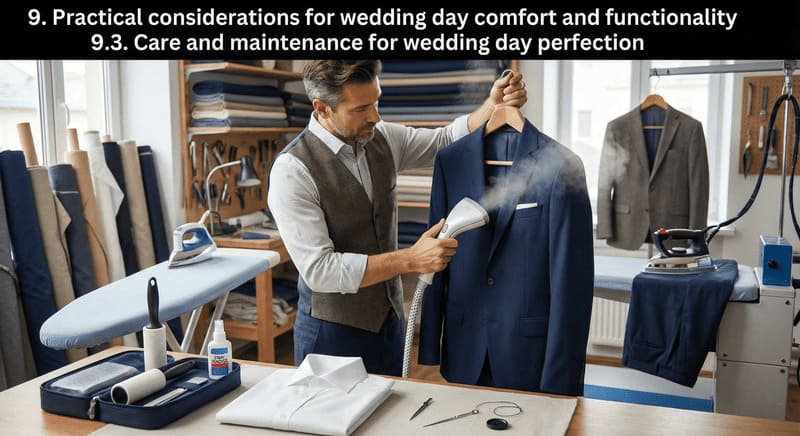
Professional pressing before the wedding ensures crisp appearance. Hanging the jacket properly on substantial hangers maintains shoulder shape during transport and storage. Spot cleaning capabilities for minor spills prevent panic during celebrations.
Understanding basic garment care allows quick responses to common issues. Knowing how to steam minor wrinkles, reattach loose buttons, or address small stains preserves presentation throughout the event.
10. The question of jacket necessity at modern weddings
Wedding dress codes continue evolving, raising questions about jacket requirements in contemporary contexts.
10.1. Interpreting dress code specifications
When invitations specify formal, black-tie, or black-tie optional dress codes, jackets remain non-negotiable elements of appropriate attire. These specifications clearly indicate expectations that guests will wear complete formal ensembles.
Cocktail attire typically requires jackets, though some interpretation exists based on venue and season. Smart casual dress codes may permit jacket-optional approaches, particularly for outdoor summer celebrations.
10.2. Cultural and venue considerations
The question do men have to wear a jacket to a wedding depends significantly on cultural context and venue characteristics. Traditional church ceremonies and formal reception venues maintain expectations of jacketed attire, while beach ceremonies and casual outdoor celebrations may explicitly permit more relaxed approaches.
When uncertainty exists, wearing a jacket provides the safest approach. A well-fitted jacket can always be removed if the environment proves too casual, while arriving without a jacket to an event expecting formal attire creates awkward situations.
10.3. Respect for the couple's vision
Ultimately, wedding attire choices should honor the couple's vision for their celebration. When dress codes are specified, following them demonstrates respect for the planning and thought invested in creating their ideal wedding aesthetic. When questions arise, directly asking the couple or wedding party members provides clarity and prevents inappropriate choices.
11. Conclusion: Investing in properly engineered wedding attire
The wedding men jacket represents far more than simple formalwear it embodies the intersection of technical tailoring, body-specific engineering, and personal style expression. For Australian men, understanding how construction methods, fabric choices, and design details address specific body characteristics transforms the jacket selection process from frustrating compromise to confident investment.
Whether serving as groom, groomsman, or guest, the properly fitted and constructed wedding jacket delivers comfort, confidence, and sophisticated presentation throughout celebration days. The technical details explored throughout this guide from half-canvas construction and button stance engineering to high armholes and climate-appropriate fabrics-represent the difference between merely wearing a jacket and experiencing truly exceptional tailored attire.
As wedding aesthetics continue evolving and Australian body diversity remains constant, the fundamental principles of proper fit, quality construction, and appropriate styling maintain their relevance. Investing time in understanding these elements and working with skilled tailoring professionals ensures that your wedding attire performs beautifully while celebrating your individual physique and style preferences.
The modern Australian gentleman deserves wedding attire engineered specifically for his body type, lifestyle, and the unique demands of celebrating in Australian climates. This comprehensive approach to wedding jacket selection delivers results that standard sizing simply cannot match garments that look exceptional, feel comfortable, and perform flawlessly throughout life's most memorable celebrations.