Table of Contents[Hide]
- 1. Understanding the terminology: vest vs waistcoat
- 2. The historical evolution of the waistcoat
- 3. The definitive differences: formality, construction, and context
- 4. Wedding attire for grooms
- 5. Wedding attire for groomsmen
- 6. Wedding attire for fathers of the bride and groom
- 7. Wedding attire for guests
- 8. Body type guidance: triangle and oval shapes
- 9. Body type guidance: inverted triangle (athletic build)
- 10. Body type guidance: rectangle and shorter stature
- 10.1 Creating shape for rectangular builds
- 10.2 Double-breasted for added dimension
- 10.3 Pattern and texture strategies
- 10.4 Higher button stance benefits
- 10.5 Creating waist definition through construction
- 10.6 Verticality for shorter men
- 10.7 Length calibration for shorter men
- 10.8 Vertical patterns for height
- 10.9 Button stance for shorter stature
- 10.10 Proportional adjustments at Dunnio Tailor
- 11. Construction quality explained
- 12. Fabric selection for Australian climates
- 13. Colour and pattern guidance
- 14. Styling and etiquette essentials
- 14.1 The bottom button rule revisited
- 14.2 Neckwear integration
- 14.3 Black tie considerations
- 14.4 Pocket watches and traditional accessories
- 14.5 Other accessories
- 14.6 When to remove your jacket
- 14.7 Maintaining formality without the jacket
- 14.8 Vest versus cummerbund for black tie
- 14.9 Styling advice at Dunnio Tailor
- 15. Modern trends shaping waistcoat fashion
- 16. The Dunnio Tailor experience
- 16.1 Understanding your wedding needs
- 16.2 The consultation process
- 16.3 Fabric library and selection
- 16.4 Construction choices explained
- 16.5 The fitting process
- 16.6 Expertise in all body types
- 16.7 Australian climate specialisation
- 16.8 Wedding party services
- 16.9 Beyond the wedding day
- 16.10 Choosing excellence
- Conclusion: mastering the third piece
When planning wedding attire, Australian grooms and their parties often encounter a puzzling question: should you wear a vest or a waistcoat under the jacket in a set of wedding suits or tuxedo? Are they the same thing? Does it matter what you call it? The confusion is understandable, as these terms are used interchangeably in casual conversation, yet they carry distinct meanings in the world of bespoke tailoring. For your wedding day, understanding these differences is not merely academic. It influences how you shop, what you order, and ultimately, how polished and confident you appear when standing at the altar.
This comprehensive guide clarifies the vest vs waistcoat debate once and for all. We will explore the linguistic origins, construction differences, and practical applications of each garment. More importantly, we will provide detailed guidance on selecting and styling the right piece for your body type, wedding role, and the unique demands of the Australian climate. Whether you are the groom seeking to distinguish yourself from your party, a groomsman aiming for cohesive elegance, or a guest navigating dress code ambiguity, this article delivers the expertise you need.

At Dunnio Tailor, we specialise in made-to-measure tailoring that accounts for individual physiques, personal style, and the specific context of Australian weddings. Our decades of experience have taught us that the third piece of a suit is not just decorative. It is a functional garment that shapes your silhouette, regulates temperature, and elevates formality. Let us guide you through every aspect of this essential element of menswear.
1. Understanding the terminology: vest vs waistcoat
1.1 British English: the waistcoat tradition
The confusion between vest and waistcoat stems from linguistic evolution across different English-speaking regions. In British English, which heavily influences Australian formal wear terminology, a waistcoat is the correct term for the sleeveless garment worn over a dress shirt and beneath a suit jacket. The word itself is descriptive: a coat cut at the waist. This terminology dates back centuries and remains the standard in traditional tailoring circles throughout the United Kingdom, Australia, and much of the Commonwealth.
However, in the United Kingdom, the term vest refers to something entirely different: an undergarment. Specifically, it describes the sleeveless undershirt that Americans would call a tank top or singlet. This distinction is critical. If you walk into a traditional London tailor and request a vest, you might be directed to the underwear section rather than the formal wear department. This linguistic quirk has caused genuine confusion for generations of customers.
1.2 American English: the vest preference
In North America, the situation reverses. Americans and Canadians use vest as the standard term for the formal garment worn as the third piece of a three-piece suit. The term waistcoat is rarely used in everyday American conversation, though it appears in high-end tailoring contexts and historical references. When Americans do use waistcoat, it often carries connotations of British formality, bespoke craftsmanship, or period costume.

1.3 Australian usage: a blend of traditions
For Australians, the situation is nuanced. Our tailoring heritage draws heavily from British traditions, particularly for formal occasions like weddings. Many Australian tailors and formal wear specialists use waistcoat as the primary term, especially when discussing bespoke or made-to-measure garments. However, American cultural influence through media and fashion has made vest equally common in casual conversation. Both terms are widely understood, but waistcoat tends to signal higher formality and traditional craftsmanship.

1.4 The gilet distinction
There is also the matter of the gilet, a French term that has entered Australian fashion vocabulary. A gilet typically refers to a padded, sleeveless jacket designed for outdoor wear and warmth. Think of the quilted vests worn for country pursuits or casual weekend activities. While technically a type of vest, a gilet is distinctly separate from formal tailoring. It would never be appropriate for a wedding, regardless of how casual the dress code.

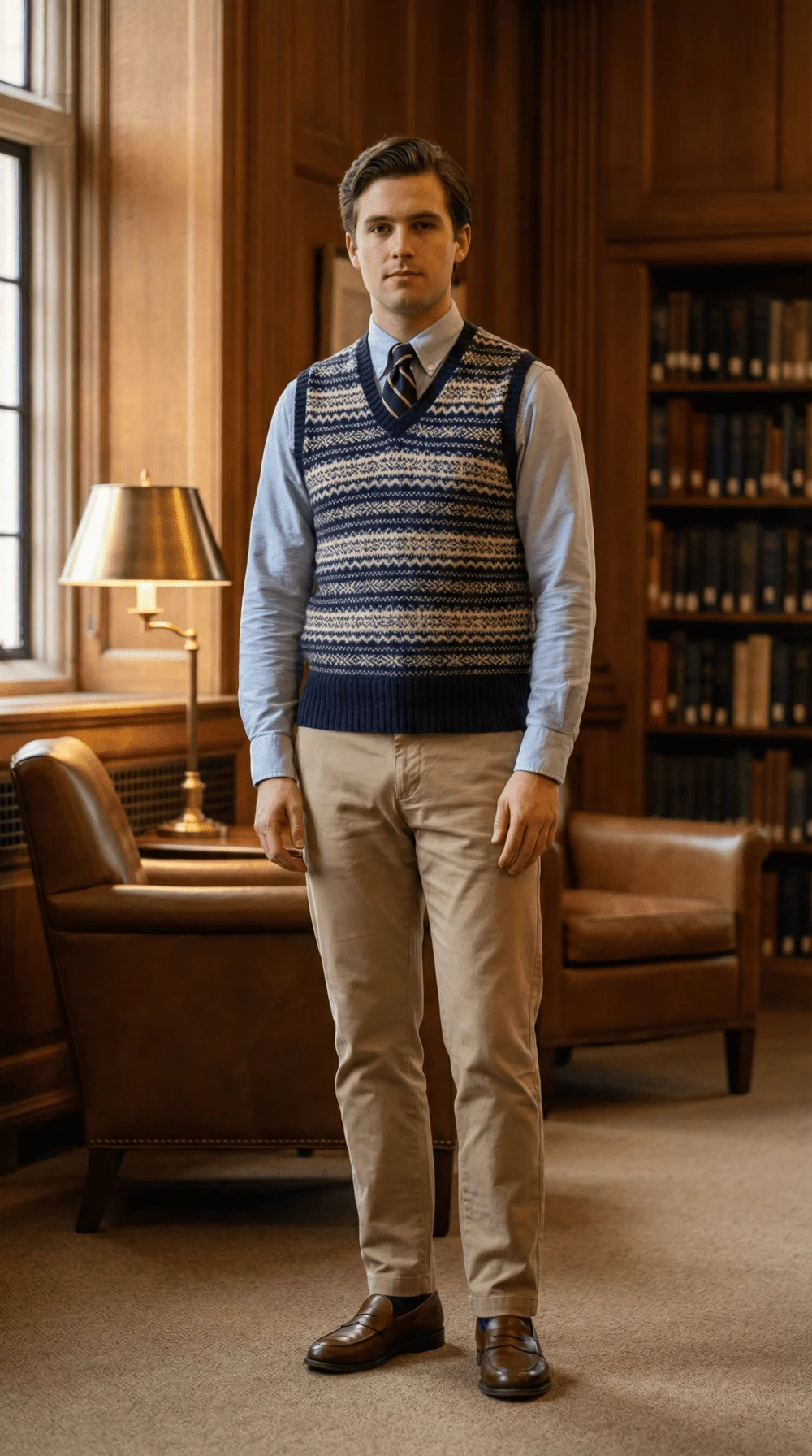
1.5 The sweater vest category
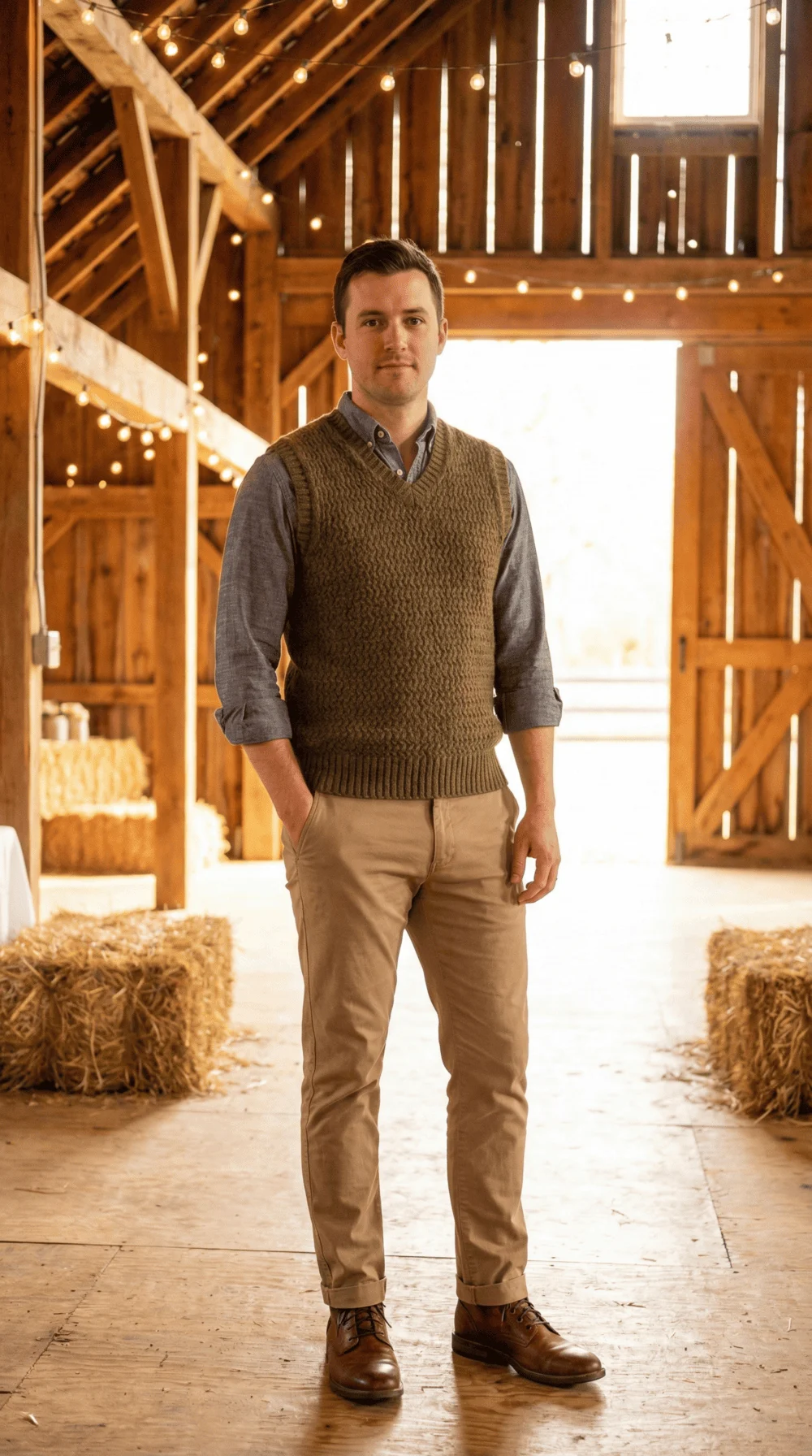
The sweater vest represents another category entirely. This is a knitted garment, typically pulled over the head without buttons or a front opening. In British terminology, it might be called a knitted waistcoat or tank top. Sweater vests occupy a space in smart casual dressing, perhaps appropriate for a rustic barn wedding guest, but they are never a substitute for a properly tailored waistcoat in formal or semi-formal contexts.
1.6 What Australians should know
For the purposes of wedding attire and formal menswear, Australians can use vest and waistcoat interchangeably, with the understanding that waistcoat carries slightly more formal weight. At Dunnio Tailor, we use both terms with our clients, but our technical specifications and construction methods align with traditional waistcoat craftsmanship. What matters most is not what you call it, but how it is constructed, fitted, and styled.

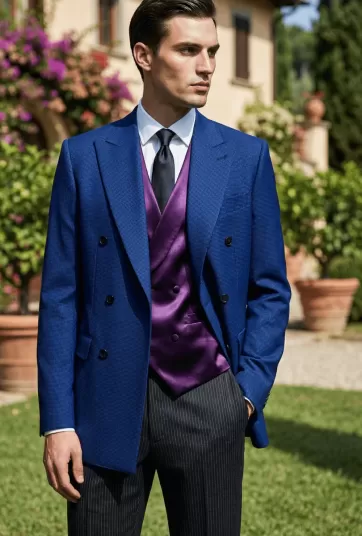
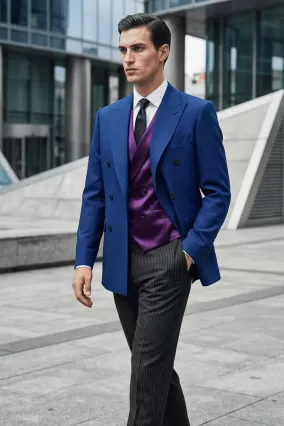
Cobalt Grid Jacket - Purple Satin Vest - Pinstripe Twill Trousers
Products in the outfit
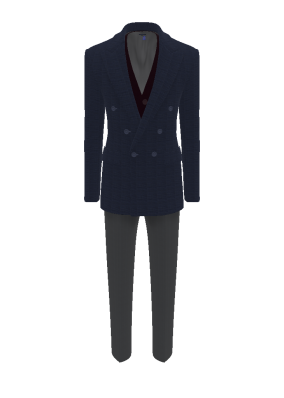
Jacket: 6 Buttons, Double Breasted (1 to Close) | LargerPeak LapelNo Buttonhole | Straight | 2 Straight Pockets | 4 Standard buttons | Side vent - Pant: Narrow/Slim | Single Pleat | Slanted Pocket | Back Pocket - Single Opening | Single | Regular Cuff - Vest: V Neck | 6 Buttons | Single Opening Pocket | Angle Cut | Back Plain -
2. The historical evolution of the waistcoat
2.1 The royal origins: King Charles II and 1666
The waistcoat's pedigree extends back to October 1666, when King Charles II of England declared a new mode of dress for his court. In an effort to assert British sartorial independence from the elaborate French fashions of Louis XIV, Charles introduced a three-piece ensemble: an outer coat, a long waistcoat worn beneath it, and breeches. The famous diarist Samuel Pepys recorded this royal decree, marking the birth of what would evolve into the modern three-piece suit.
2.2 Early design: knee-length elegance
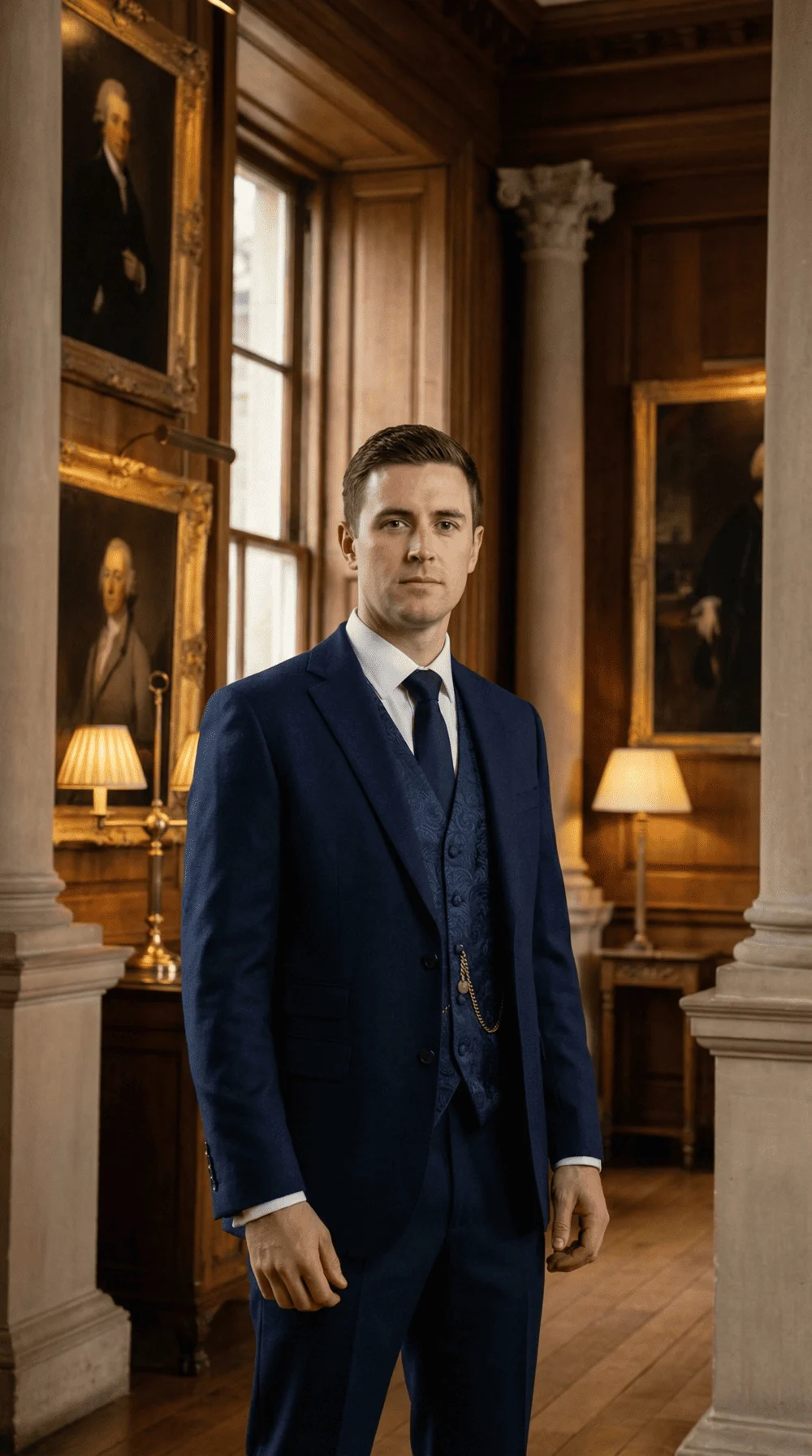
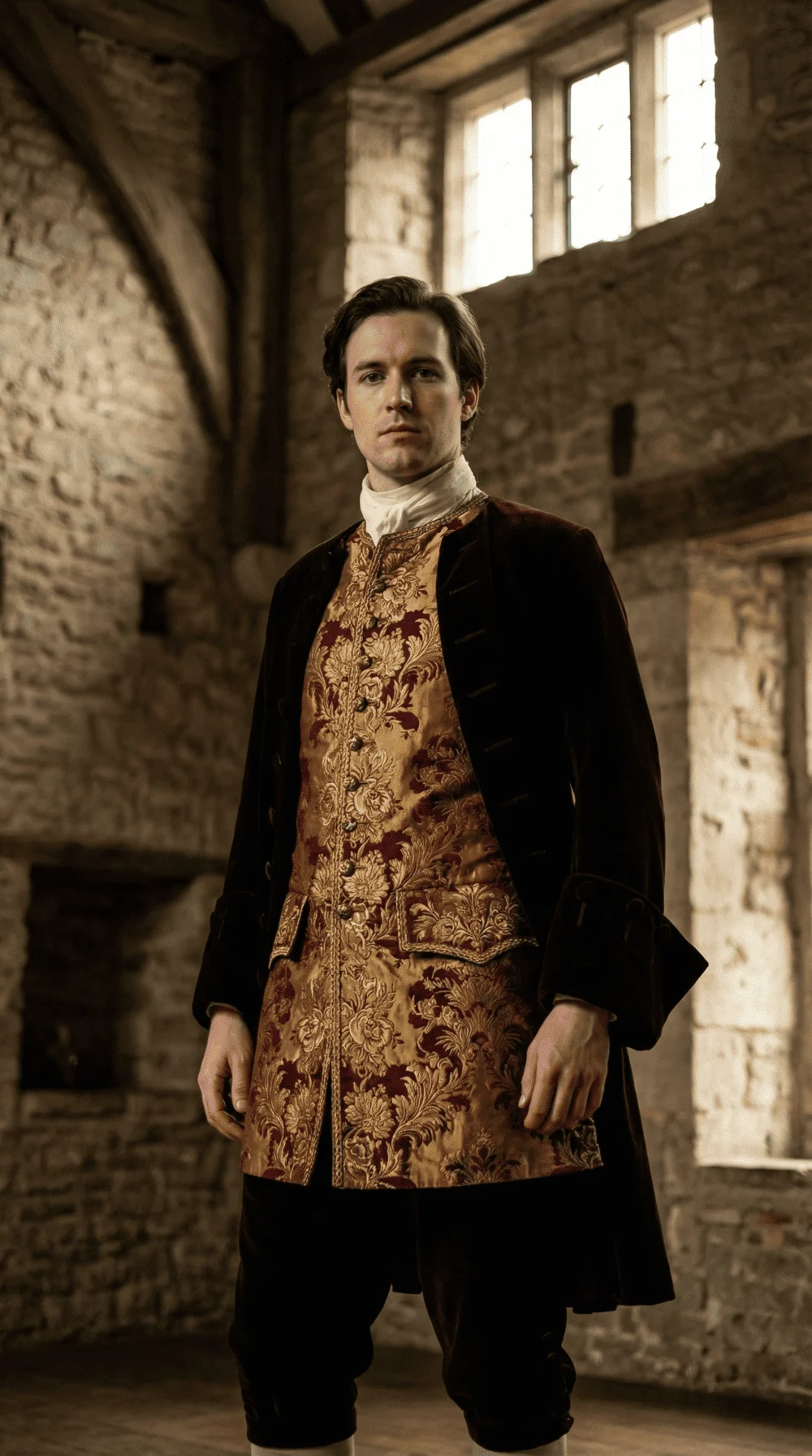
These original waistcoats bore little resemblance to what we wear today. They extended to the knee, often featured elaborate embroidery and rich fabrics like silk and brocade, and served both decorative and practical purposes. The waistcoat provided an additional layer of warmth in draughty manor houses and palaces, while also offering a canvas for displaying wealth and status through expensive materials and intricate craftsmanship.
2.3 The shortening process: practicality meets style
Over the eighteenth and nineteenth centuries, the waistcoat gradually shortened. As men spent more time on horseback and in carriages, the long tails became impractical. The hemline rose progressively, eventually settling at the natural waist. This evolution explains one of the cardinal rules of modern waistcoat wearing: the garment must completely cover the trouser waistband. No shirt fabric should be visible between the trousers and the waistcoat, even when raising your arms. This requirement is a vestige of the waistcoat's origin as a garment designed to provide seamless coverage and modesty.

2.4 The Victorian golden age
The Victorian and Edwardian eras represented the golden age of waistcoat wearing. During this period, a gentleman would own multiple waistcoats in various fabrics, colours, and patterns. Morning dress required specific waistcoat choices, typically in buff, dove grey, or pale blue. Evening wear demanded white or black waistcoats with specific cuts to accommodate white tie formality. The waistcoat was not optional; it was essential to being properly dressed.

2.5 Twentieth century decline
The twentieth century saw the waistcoat's decline. The casualisation of menswear after World War II, combined with improved indoor heating and the rise of casual Fridays, made the three-piece suit seem unnecessarily formal for everyday wear. By the 1980s and 1990s, waistcoats had largely disappeared from mainstream fashion, relegated to the most formal occasions or worn by older, more conservative dressers.
2.6 The modern renaissance
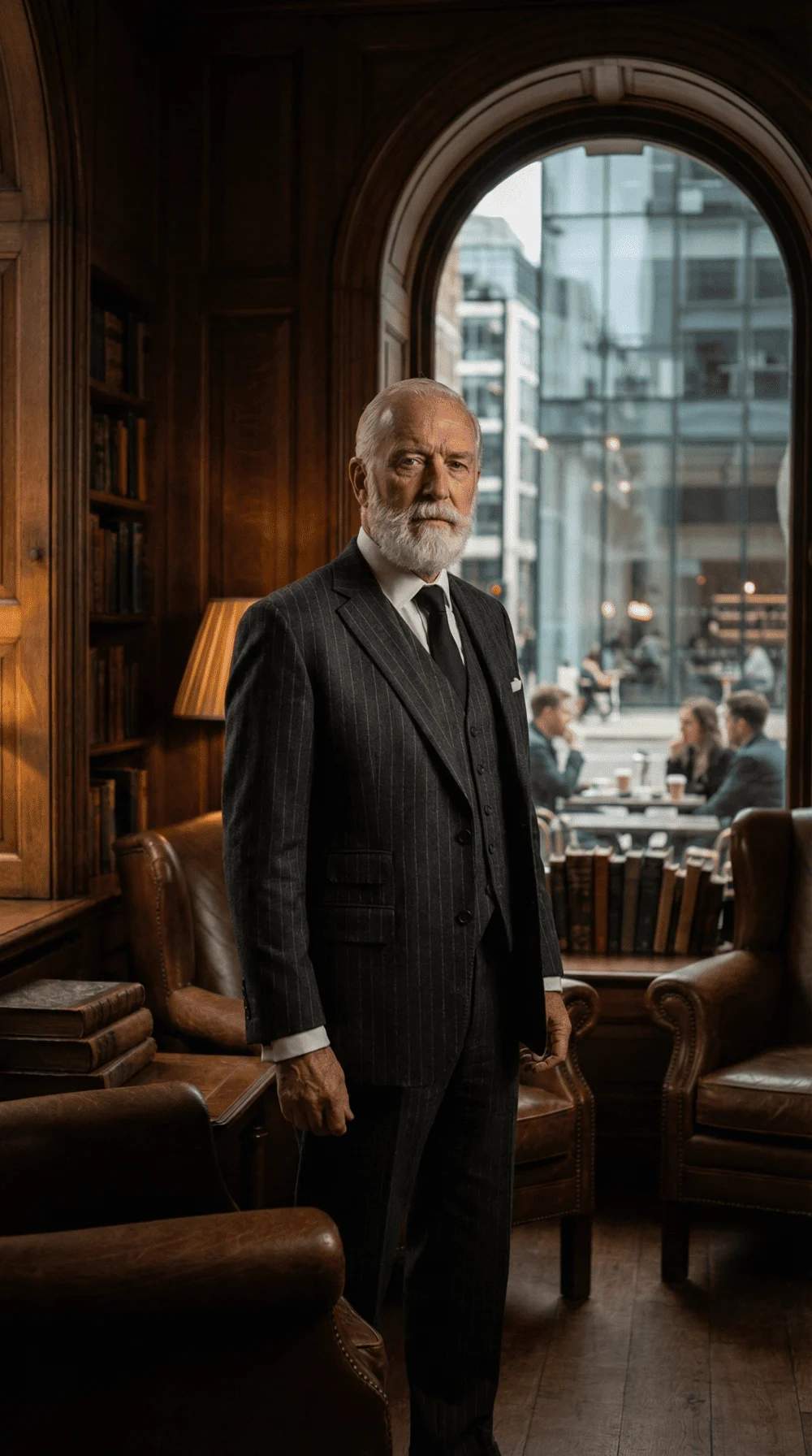
However, the past decade has witnessed a remarkable renaissance. Popular culture has played a significant role. Television series like Peaky Blinders showcased the rugged elegance of 1920s three-piece suits, while Bridgerton sparked interest in Regency-era waistcoats with their high collars and ornate fabrics. The broader old money aesthetic, characterised by quiet luxury and timeless tailoring, has made the waistcoat fashionable again among younger men seeking to distinguish themselves from fast fashion uniformity.

2.7 The wedding essential
For weddings specifically, the waistcoat has become nearly standard. Modern grooms recognise that the third piece offers multiple advantages: it creates visual distinction from the groomsmen, provides structure and formality for photographs, and allows for comfortable jacket removal during receptions without appearing underdressed. The waistcoat has evolved from historical curiosity to contemporary essential.

3. The definitive differences: formality, construction, and context
3.1 What defines a waistcoat
While vest and waistcoat are often used interchangeably, subtle distinctions exist in how these terms are applied within tailoring circles. Understanding these differences helps you make informed decisions about what to wear and how to describe what you are seeking.
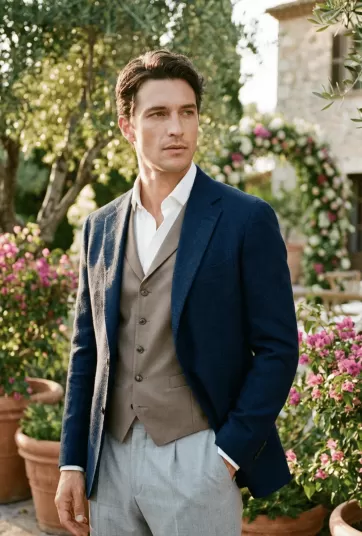

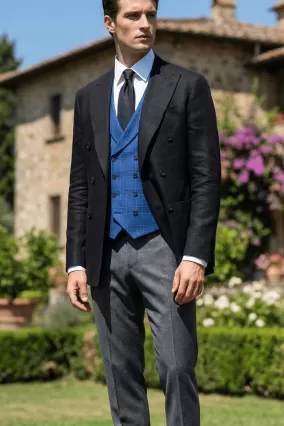
The Neo-Classical Broken Suit Series
Products in the outfit
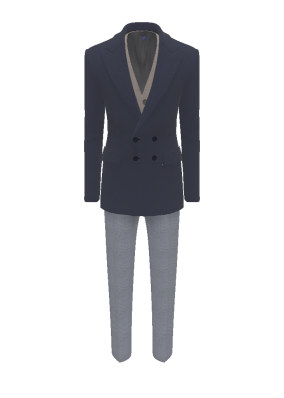
Jacket: 4 buttons, Double breasted (2 to close) | LargerPeak LapelNo Buttonhole | Straight | 2 Straight Pockets | 4 Standard buttons | Side vent - Pant: Narrow/Slim | Single Pleat | Slanted Pocket | Back Pocket - Single Opening | Single | Regular Cuff - Vest: V Neck | 6 Buttons | Single Opening Pocket | Angle Cut | Back Plain -
A waistcoat, in the strictest traditional sense, refers to a formal garment worn as part of a three-piece suit. It is always worn over a dress shirt and beneath a suit jacket. The waistcoat features a button front, typically with four to six buttons, and can be either single-breasted or double-breasted. The back is usually made from lining material, traditionally silk or a similar smooth fabric, which allows the jacket to slide on and off easily. However, modern waistcoats increasingly feature cloth backs made from the same fabric as the front, particularly when the wearer intends to remove the jacket during the event.

3.2 Waistcoat construction elements
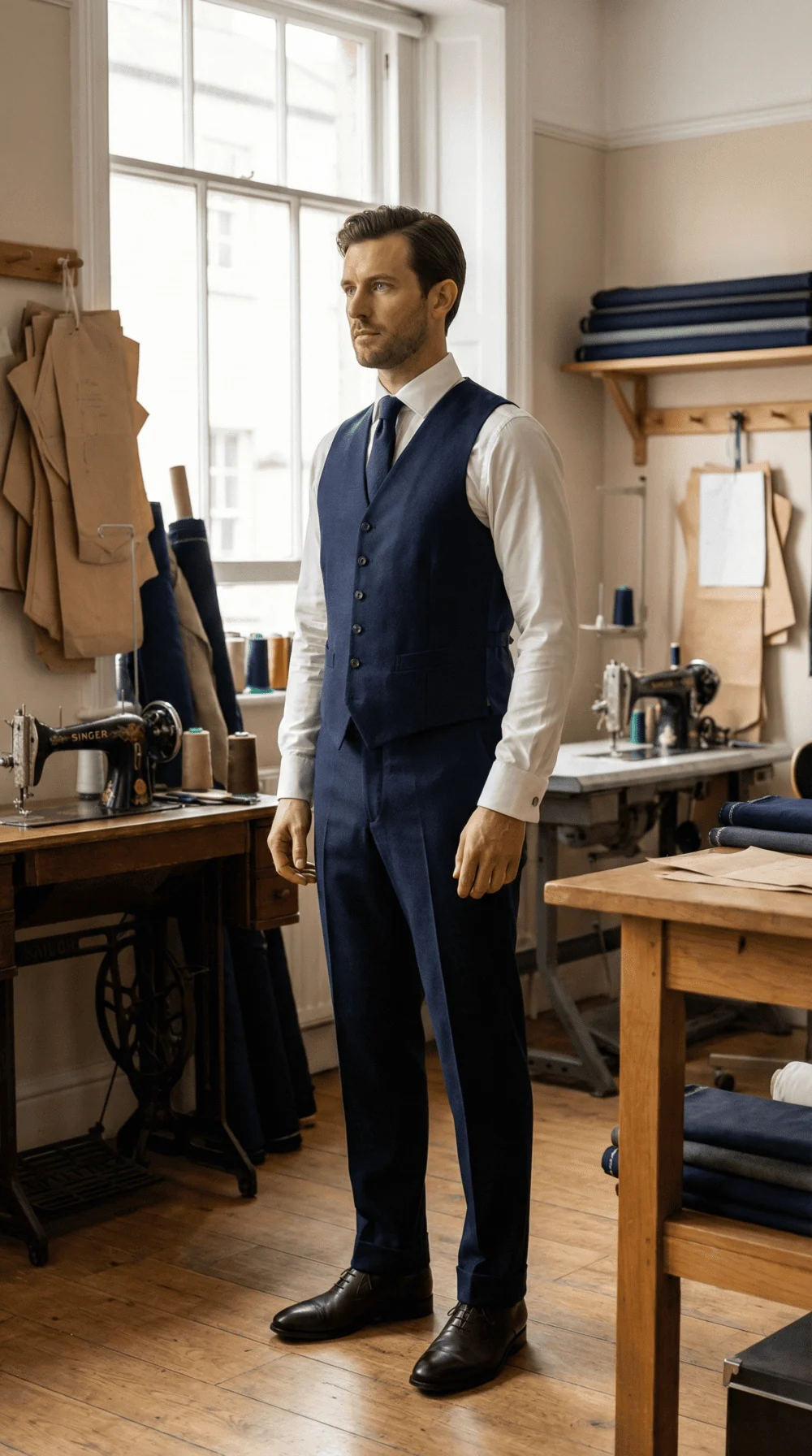
The construction of a proper waistcoat involves careful tailoring to create shape. Darts at the front curve the fabric to follow the contours of the chest and waist. The shoulders must lie flat against the body without gapping. The armholes are cut high and close to the body, creating a sleek silhouette. A well-constructed waistcoat will have an adjustable strap at the back, allowing for minor fit modifications and ensuring the garment sits snugly against the body.
3.3 Waistcoat fabrics and formality
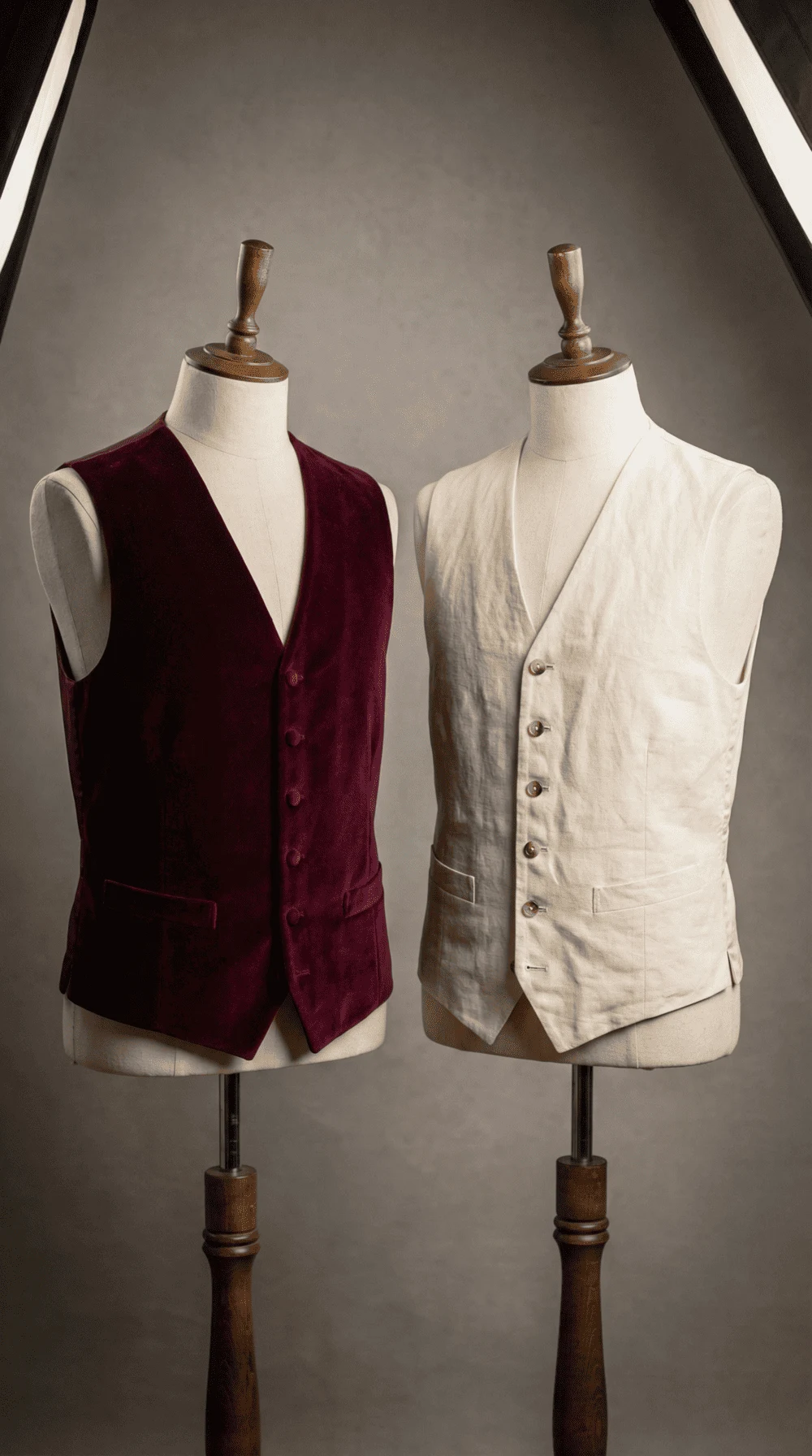
Waistcoats are made from suiting fabrics: wool, linen, silk, velvet, or blends thereof. The fabric choice signals formality and season. A lightweight linen waistcoat in cream or pale blue suggests a summer garden wedding. A heavy velvet waistcoat in burgundy or midnight blue indicates a formal winter evening event. The fabric quality and construction method, whether fused or canvassed, determine how the garment drapes and breathes.
3.4 What defines a vest
A vest, in contrast, can encompass a broader range of garments. While it includes the formal waistcoat described above, the term vest also applies to more casual interpretations. A vest might be worn without a jacket as a standalone piece, paired with chinos and a button-down shirt for a smart casual look. It might feature more relaxed construction, perhaps without the precise darting and shaping of a formal waistcoat. Some vests are designed to be worn over t-shirts or casual shirts, creating a layered look that would never be appropriate in traditional formal contexts.

3.5 The formality distinction
The key distinction lies in formality and context. If you are wearing a complete three-piece suit to a wedding, you are wearing a waistcoat, regardless of what you call it. If you are wearing a sleeveless buttoned garment with jeans to a casual outdoor event, you are wearing a vest. The construction, fabric, and intended use define the garment more than the name.

3.6 Dress code interpretation
For dress code interpretation, this matters significantly. If a wedding invitation specifies black tie, you might wear an evening waistcoat, which is a specific low-cut style designed to display the studs of a formal shirt. This is distinct from a business waistcoat with a higher button stance. If the dress code is semi-formal or cocktail attire, a waistcoat worn with a lounge suit is appropriate. If the dress code is smart casual, a more relaxed vest might work, though you should exercise caution to avoid looking like service staff.

3.7 The sweater vest exception
The sweater vest occupies its own category. This knitted garment, whether in wool, cotton, or cashmere, is pulled over the head and lacks a button front. Sweater vests have a place in preppy, country casual, or academic styles. They can work for very casual weddings, particularly in rustic or outdoor settings, but they are never appropriate for formal or semi-formal occasions. A sweater vest is not a substitute for a tailored waistcoat when the dress code demands proper suiting.
3.8 The Dunnio Tailor approach
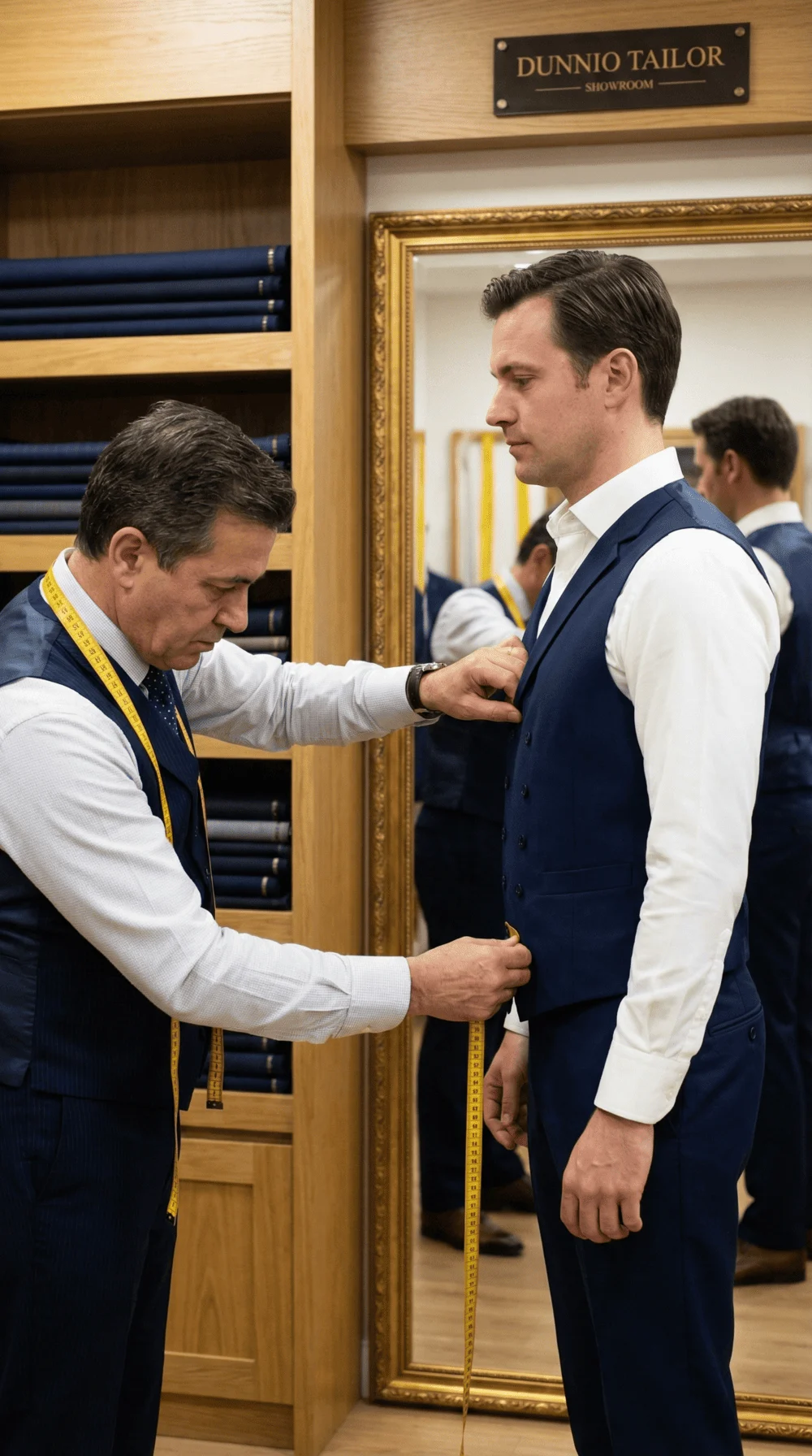
At Dunnio Tailor, we focus exclusively on proper waistcoat construction. Our made-to-measure process ensures that every waistcoat is cut to your exact measurements, with appropriate shaping for your body type and the formality level you require. We guide clients through fabric selection, button choices, and styling decisions to create a garment that enhances their wedding attire perfectly.
4. Wedding attire for grooms
4.1 The importance of visual distinction
For the groom, the waistcoat serves a critical function: visual distinction from the groomsmen. While earlier generations often dressed the groom identically to his party, contemporary wedding aesthetics demand that the groom stand out as the focal point. The waistcoat offers one of the most elegant and subtle ways to achieve this differentiation.

4.2 The hero waistcoat concept
The hero waistcoat concept involves selecting a waistcoat that contrasts with the rest of the wedding party while maintaining overall cohesion. If the groomsmen wear navy suits with matching navy waistcoats, the groom might choose a waistcoat in a complementary but distinct fabric. A dove grey wool waistcoat, a cream linen option, or even a subtle patterned silk can create visual hierarchy without clashing. The key is to select a colour or texture that ties into the overall wedding palette while remaining unique to the groom.

4.3 Fabric contrast strategies
Fabric contrast provides another avenue for distinction. While the groomsmen wear waistcoats in standard suiting wool, the groom might opt for a premium fabric with added texture or sheen. Silk brocade, particularly in subtle patterns like paisley or jacquard, adds richness and formality. For autumn and winter weddings, velvet creates a luxurious, light-absorbing depth that photographs beautifully. The texture catches light differently than flat wool, drawing the eye naturally to the groom.

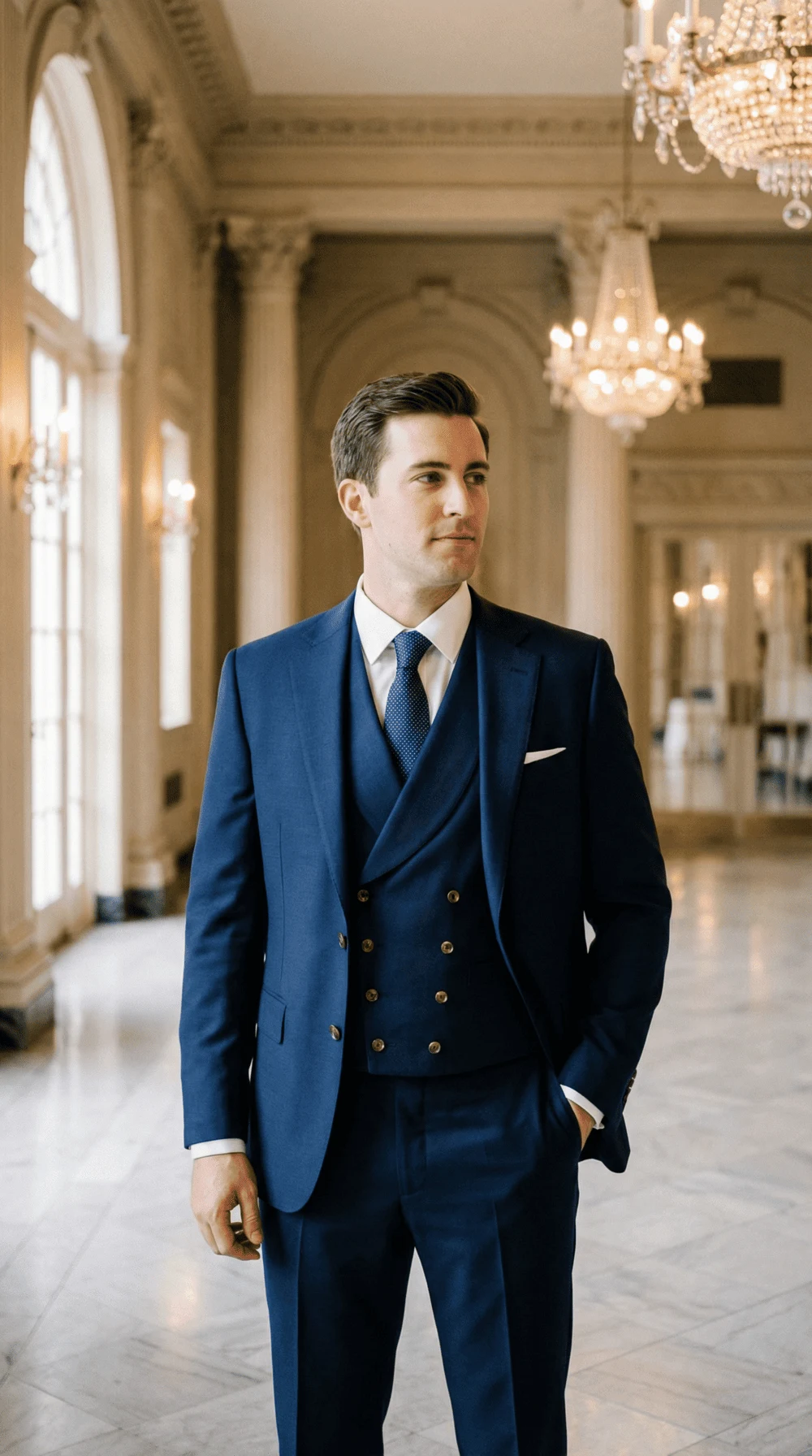
4.4 The double-breasted advantage
The double-breasted waistcoat represents a power move for grooms in 2025 and 2026. While groomsmen wear traditional single-breasted waistcoats with four or five buttons, the groom can opt for a double-breasted style, typically in a six-button, three-to-fasten configuration. The double-breasted cut creates a broader, more substantial chest, adding visual weight and authority. It also looks distinctly more formal and considered, signalling that the groom has invested thought and resources into his appearance.
4.5 Summer wedding considerations
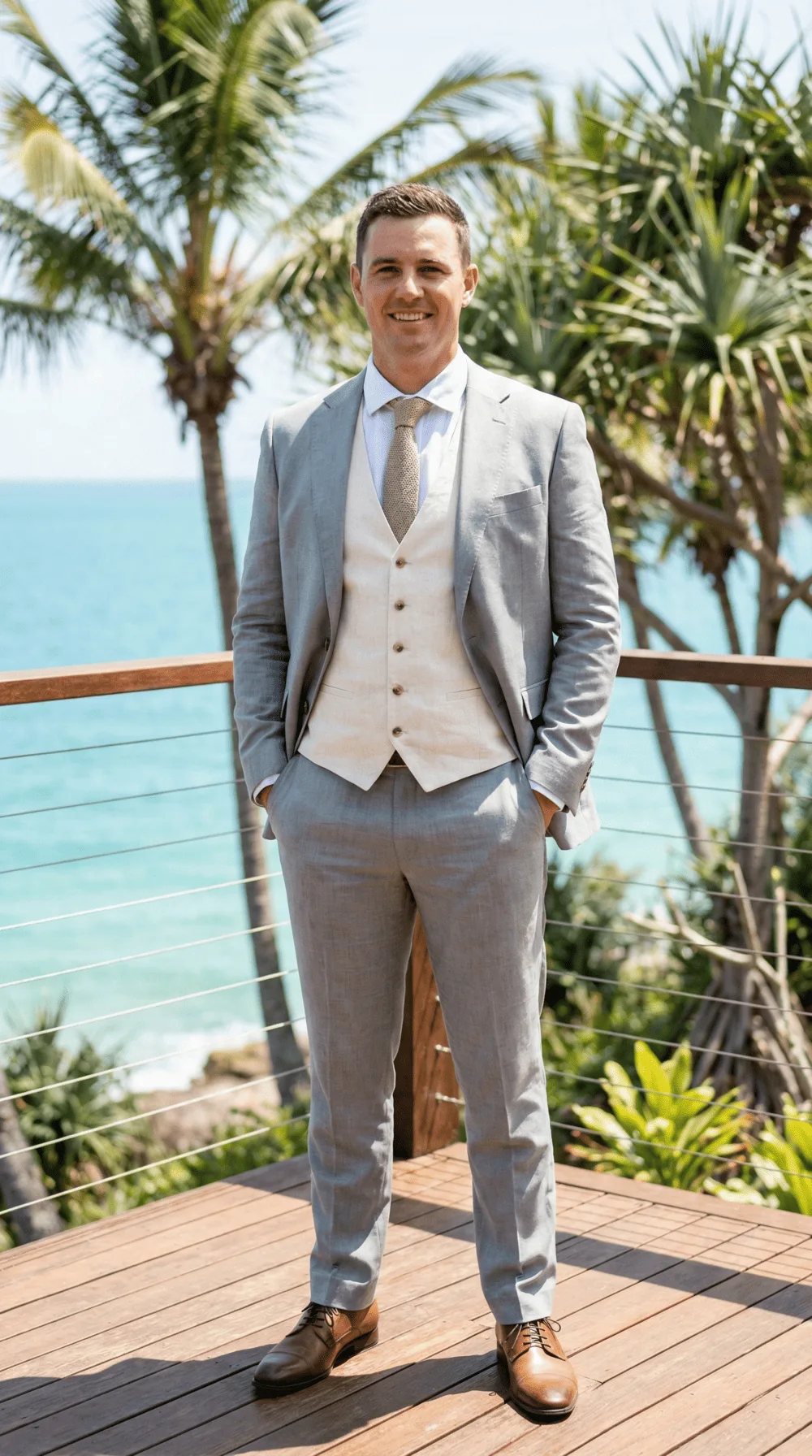
Seasonal considerations are particularly important in Australia, where wedding season spans dramatically different climates. For summer weddings in Queensland, the Northern Territory, or coastal New South Wales, breathability is paramount. A linen or linen-blend waistcoat in a light colour reflects heat and allows air circulation. Tropical wool, despite its name, is actually a lightweight, open-weave fabric ideal for hot weather. Fresco wool offers similar benefits. These fabrics prevent the groom from overheating during outdoor ceremonies and photographs in the Australian sun.
4.6 Winter wedding considerations
For winter weddings in Melbourne, Canberra, or Tasmania, the waistcoat can provide genuine warmth as well as style. Heavier wool, flannel, or even cashmere blends offer insulation. Velvet, while not the warmest fabric, creates a rich, formal appearance perfect for evening receptions. The key is to balance warmth with the reality that indoor venues are often heated, and the groom will be active throughout the day.
4.7 Colour coordination with the wedding palette
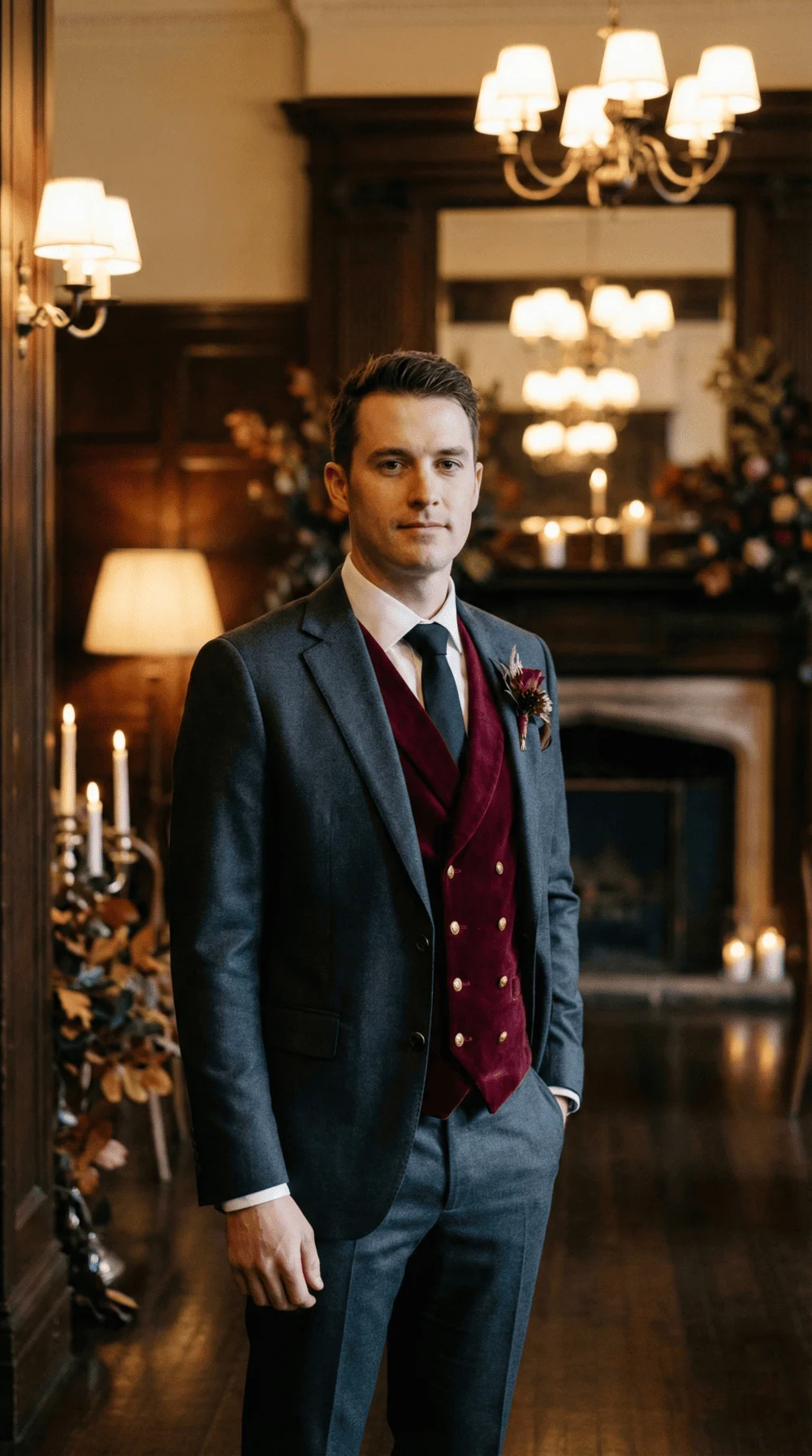
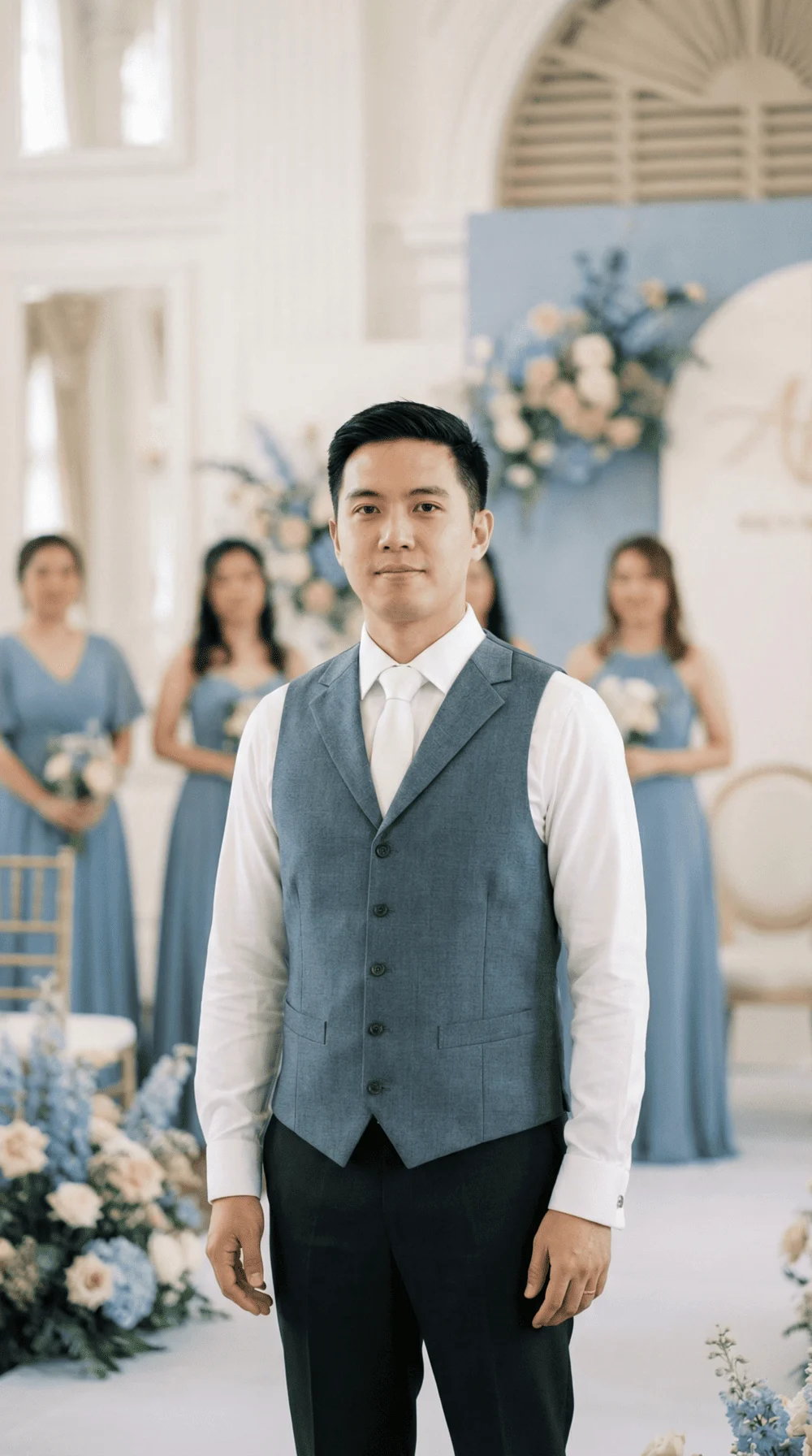
Colour coordination requires careful thought. The groom's waistcoat should acknowledge the wedding colour palette without directly matching the bridesmaids. If the bridesmaids wear dusty blue, the groom might choose a complementary shade like slate grey or navy with blue undertones. If the wedding features burgundy accents, a burgundy velvet waistcoat can tie the groom into the overall aesthetic while maintaining masculine formality.
4.8 Working with Dunnio Tailor
At Dunnio Tailor, we work closely with grooms to develop a waistcoat strategy that balances distinction with cohesion. Our made-to-measure process allows for complete customisation: fabric selection from our extensive library, button choices in horn, mother-of-pearl, or covered options, and construction details like pocket styles and back adjustability. We ensure that your waistcoat not only looks exceptional but fits your body perfectly, creating the streamlined silhouette that photographs demand.
5. Wedding attire for groomsmen
5.1 The goal: uniformity and cohesion
For groomsmen, the waistcoat serves a different purpose than it does for the groom. Here, the goal is uniformity and cohesion. The groomsmen should present as a coordinated unit, creating a visual frame for the groom's distinction. This typically means matching waistcoats in the same fabric, colour, and style.

5.2 Matching versus coordinating
The most common approach is for groomsmen to wear waistcoats that match their suit fabric exactly. If the suits are navy, the waistcoats are navy. If the suits are charcoal, the waistcoats are charcoal. This creates a monochromatic, streamlined appearance that elongates the body and maintains formality. The alternative is for groomsmen to wear waistcoats in a coordinating colour that ties into the wedding palette. For example, navy suits might be paired with burgundy waistcoats if burgundy is a wedding accent colour.

5.3 Budget and comfort considerations
Comfort and budget considerations matter for groomsmen. While the groom might invest in a fully canvassed, bespoke waistcoat, groomsmen often work within tighter budgets, particularly if they are purchasing their own attire. A well-fitted, fused waistcoat from a quality maker offers a good balance of appearance and cost. However, proper fit remains essential. An ill-fitting waistcoat, even in the correct colour, undermines the entire look. At Dunnio Tailor, we offer groomsmen packages that provide made-to-measure quality at accessible price points, ensuring the entire party looks cohesive and well-dressed.

6. Wedding attire for fathers of the bride and groom
6.1 Complementary rather than matching
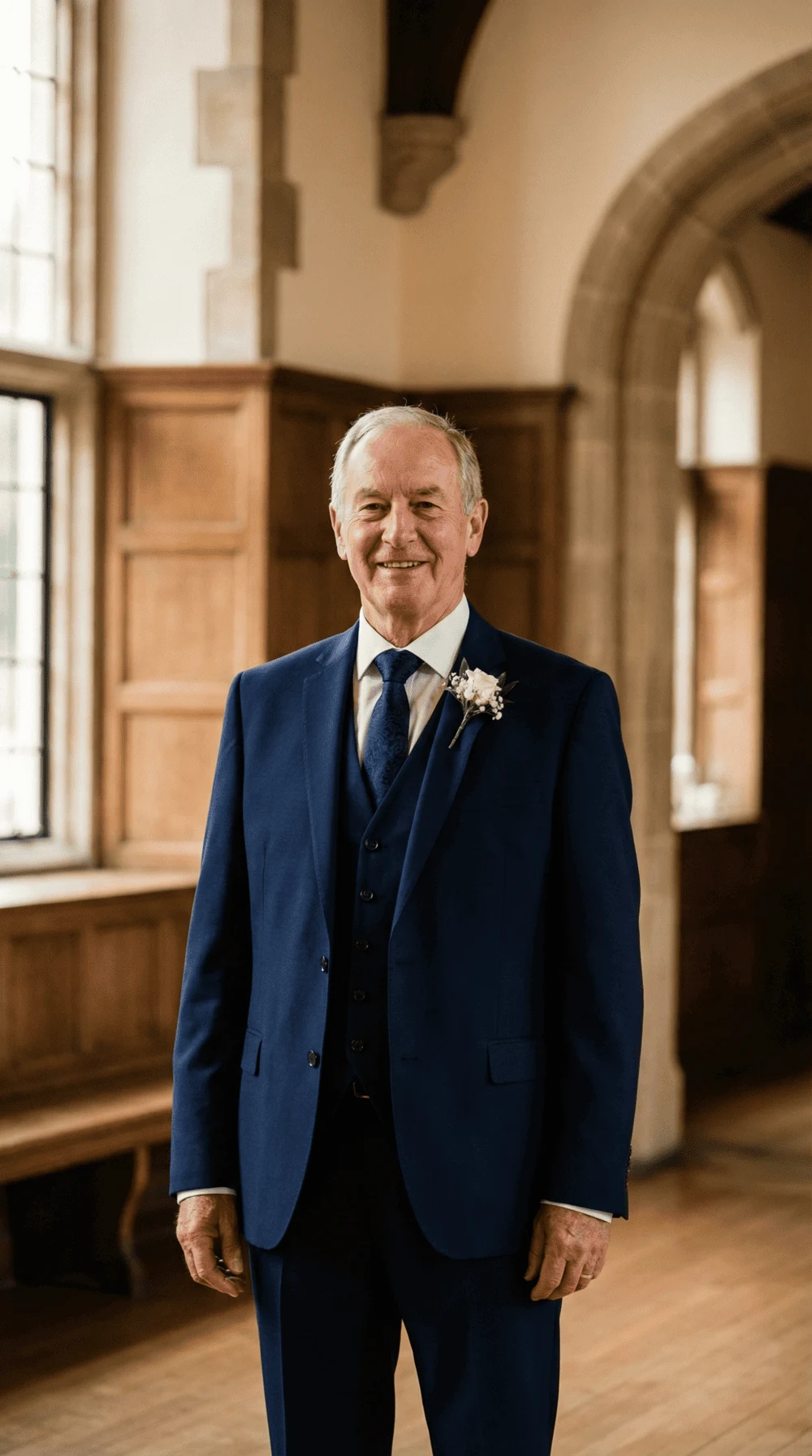
The fathers of the bride and groom occupy a unique position. Traditional etiquette suggests they should complement rather than copy the groomsmen. If the groomsmen wear navy suits, the fathers might wear charcoal or a lighter shade of blue. Their waistcoats should follow the same principle: complementary rather than matching. A father might coordinate his waistcoat colour with the groom's to show familial solidarity, or he might choose a more conservative option like grey or buff that works with his suit while remaining distinct from the groomsmen.

6.2 Age-appropriate styling
Age-appropriate styling matters for fathers. While a young groom might wear a fashion-forward double-breasted waistcoat in velvet, a father in his sixties might prefer a classic single-breasted style in a conservative fabric. There is no shame in this; it reflects appropriate dressing for one's age and role. The goal is to look distinguished and well-dressed, not to compete with the younger generation.
7. Wedding attire for guests
7.1 Understanding dress codes
For wedding guests, the waistcoat question becomes more complex. The first consideration is the dress code. If the invitation specifies black tie, guests should wear a dinner jacket with either an evening waistcoat or a cummerbund. The evening waistcoat is a specific low-cut style that displays the shirt studs; it is not a high-buttoned business waistcoat. If the dress code is semi-formal or cocktail, a three-piece suit is appropriate and welcomed. If the dress code is smart casual, a waistcoat might be too formal, though a more relaxed vest could work depending on the venue.

7.2 The no jacket question
The no jacket question frequently arises: can a guest wear a waistcoat without a jacket to a wedding? The consensus among style experts is nuanced. Arriving at the ceremony in only a waistcoat and shirt is generally considered inappropriate for formal or semi-formal weddings. It risks making the guest look like service staff, particularly if the waistcoat is black or white. However, removing the jacket during the evening reception, especially for dancing, is perfectly acceptable. The waistcoat maintains formality and polish even in shirt sleeves.

7.3 Casual wedding exceptions
For very casual weddings, particularly beach ceremonies or rustic outdoor celebrations, the rules relax. A waistcoat worn with chinos and a button-down shirt, perhaps with the sleeves rolled, can create a smart yet relaxed appearance. The key is to read the specific context and venue. A vineyard wedding in the Barossa Valley might welcome this approach; a formal hotel ballroom in Sydney would not.

7.4 Colour etiquette for guests
Guests should also be mindful of colour. Traditionally, guests avoid wearing white or cream to weddings, as these colours are reserved for the bride. This extends to waistcoats. A guest should not wear an ivory or cream waistcoat unless they are certain it is part of the wedding party's colour scheme and they have been explicitly invited to coordinate. Similarly, if you know the wedding party is wearing a specific colour, avoid matching it exactly to prevent confusion.

7.5 Building a versatile wardrobe
At Dunnio Tailor, we advise guests to invest in a versatile waistcoat that can serve multiple occasions. A navy or charcoal waistcoat in fine wool works for most weddings and can be worn to other formal events. A lighter grey or tan option suits spring and summer celebrations. By choosing quality construction and classic styling, a guest can build a wardrobe piece that delivers value across many years and events.

8. Body type guidance: triangle and oval shapes
8.1 Understanding the challenge
Understanding your body type is essential to selecting a waistcoat that enhances rather than detracts from your appearance. The waistcoat is a powerful tool for reshaping the male silhouette, but only when properly fitted and styled for your specific physique.
Men with a triangle or oval body type carry weight primarily in the midsection. The stomach protrudes beyond the chest, creating a rounded profile. The challenge is to create the illusion of a straighter line from chest to waist while ensuring complete coverage of the midsection. An ill-fitting waistcoat on this body type can accentuate the stomach, creating the dreaded muffin top effect where fabric bunches above the trouser waistband.

8.2 Single-breasted with deep V-neck
The solution begins with the cut. Men with heavier midsections should always choose single-breasted waistcoats. Double-breasted styles add an extra layer of fabric across the widest part of the torso, creating bulk rather than streamlining. A single-breasted waistcoat with a deep V-neck is ideal. The deep V creates a vertical line that draws the eye upward toward the face and shoulders, away from the midsection. The longer the V, the more elongating the effect.

8.3 Proper length for coverage
Proper length is critical. The waistcoat must be long enough to cover the entire stomach, even when sitting or raising the arms. This often means ordering a long fitting rather than a regular length. The bottom of the waistcoat should extend below the fullest part of the stomach, ensuring that no shirt fabric becomes visible during movement. At Dunnio Tailor, we take careful measurements of the torso length and stomach projection to ensure adequate coverage without the waistcoat appearing too long when standing.

8.4 Colour choices for slimming effect
Colour choice matters significantly. Darker colours recede visually, creating a slimming effect. Navy, charcoal, and black are excellent choices for men with heavier midsections. Lighter colours, particularly cream, ivory, or pale grey, can make the midsection appear larger. If the wedding colour scheme requires a lighter waistcoat, choose fabrics with subtle texture or pattern, which break up the visual mass more effectively than flat, solid colours.

8.5 Fabric selection and drape
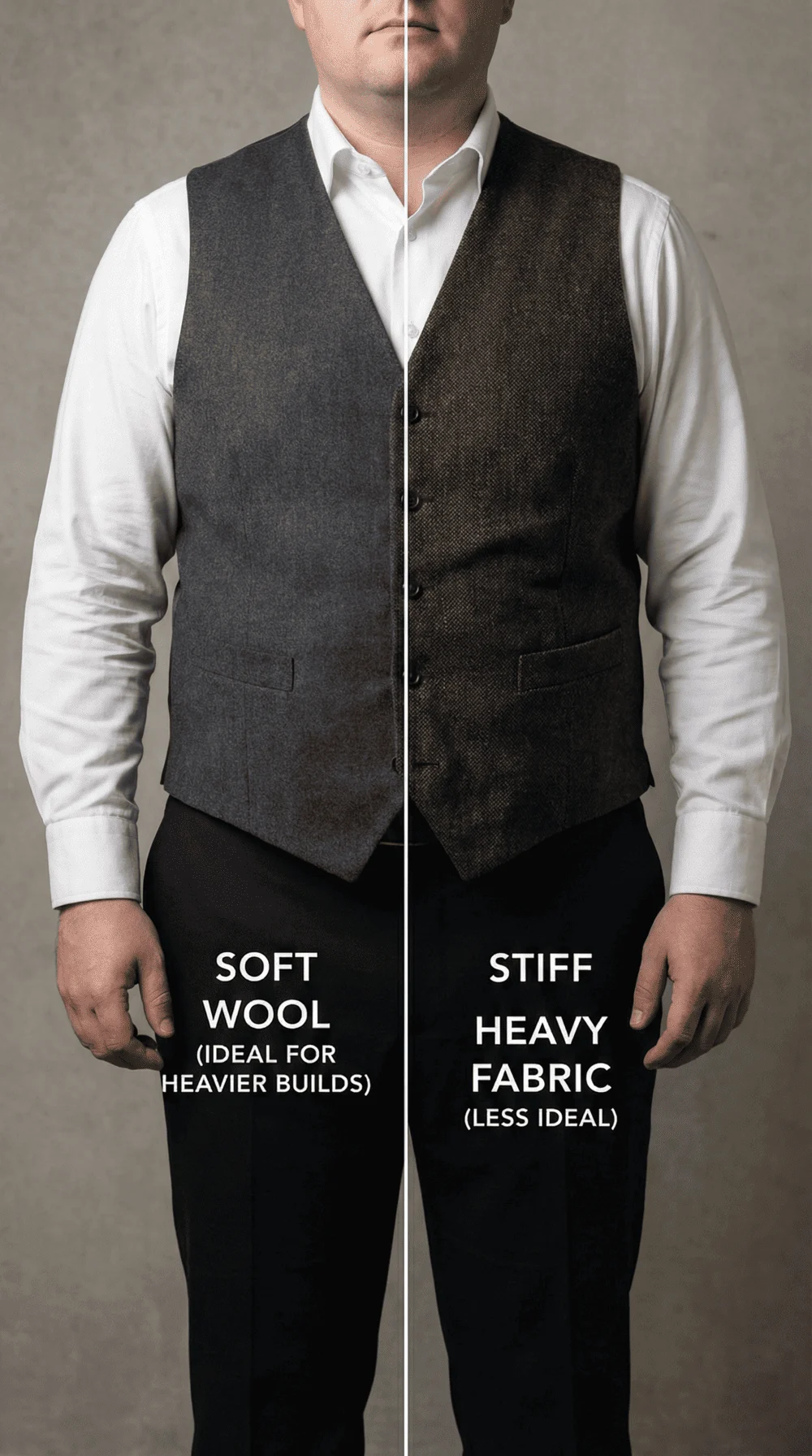
Fabric selection should prioritise drape over structure. Softer wools and wool blends that drape smoothly over the body are more forgiving than stiff, structured fabrics. Avoid heavy tweeds or thick materials that add bulk. A finer wool in a super 110s to 130s weight offers enough structure to hold shape while draping gracefully over curves.
8.6 The importance of back adjustment
The back adjustment strap is essential for this body type. As weight fluctuates, even slightly, the waistcoat's fit can change. An adjustable back strap allows for minor modifications without requiring alterations. Ensure the strap is set correctly: the waistcoat should feel snug but not tight, with no gapping at the shoulders or sides.

8.7 Dunnio Tailor's expertise
At Dunnio Tailor, we specialise in fitting men of all body types. Our made-to-measure process includes multiple measurement points across the torso, ensuring that the waistcoat follows your body's contours precisely. We add appropriate ease in the midsection while maintaining a clean line. Our construction methods include strategic darting that creates shape without pulling or puckering. The result is a waistcoat that provides confidence and comfort throughout your wedding day.
9. Body type guidance: inverted triangle (athletic build)
9.1 The athletic challenge
Men with an inverted triangle body type possess broad shoulders and a developed chest that tapers dramatically to a narrow waist. This is often the result of athletic training, particularly upper body work. While this physique is generally considered ideal, it presents specific challenges for waistcoat fitting. Off-the-rack waistcoats that fit the chest will be tent-like at the waist, destroying the garment's shape and purpose.

9.2 Aggressive tapering requirements
The solution requires aggressive tapering. A waistcoat for an inverted triangle body type must be cut generously through the chest and shoulders, then taken in sharply at the waist. This creates the dramatic taper that follows the body's natural V-shape. The side seams should curve inward significantly, and front darts are essential to remove excess fabric and create a three-dimensional shape that cups the torso.

9.3 Understanding the drop measurement
The drop, which is the difference in inches between the chest and waist measurements, determines how much customisation is required. A drop of six inches or less can often be accommodated with standard adjustments. A drop of eight inches or more requires bespoke or made-to-measure construction. At Dunnio Tailor, we regularly work with clients who have drops of ten to twelve inches, creating waistcoats that fit both the broad chest and narrow waist without compromise.

9.4 Neckline depth considerations
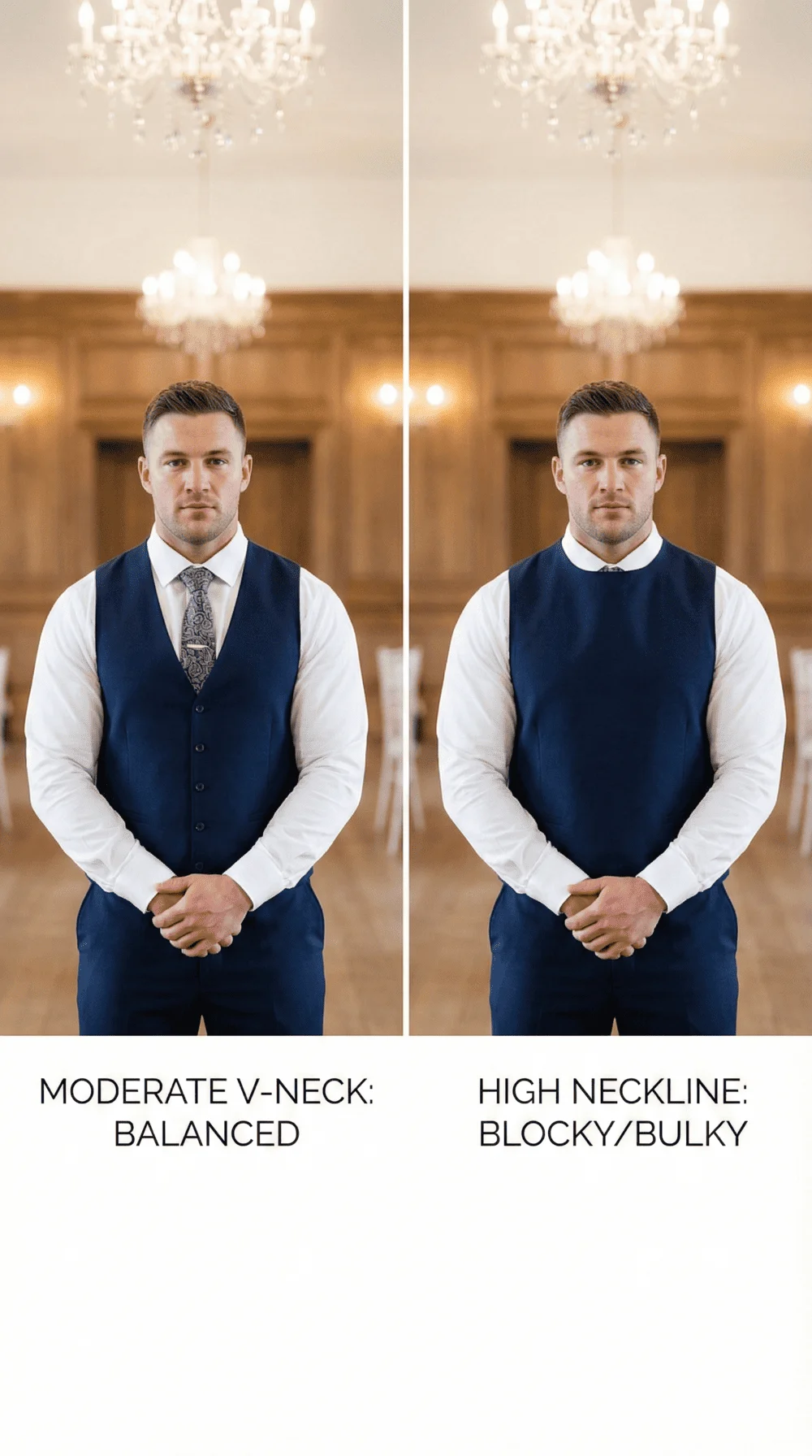
Neckline depth requires consideration. A very high neckline on a muscular upper body can create a blocky, overly bulky appearance. A moderate V-neck balances the mass of the chest and shoulders, creating a more proportional look. However, avoid extremely deep V-necks, which can appear too fashion-forward for traditional wedding contexts.
9.5 Armhole height for mobility
Armhole height is critical for athletic builds. The armholes must be cut high and close to the body to create a sleek silhouette. Low, loose armholes create gapping and destroy the clean line. However, they must also allow for shoulder mobility. A man with developed deltoids and lats needs armholes that accommodate muscle mass without restricting movement. This is where bespoke fitting excels: the armhole is cut precisely to your shoulder shape.

9.6 Fabric and pattern choices
Fabric choice for inverted triangle body types can be more flexible than for heavier builds. The athletic physique can carry both light and dark colours effectively. However, very bold patterns or horizontal stripes can overemphasise the chest width. Vertical patterns, subtle textures, or solid colours generally work best.

9.7 Button stance for proportion
The button stance, which is the position of the buttons on the waistcoat front, affects the visual proportions. For very broad-chested men, a slightly lower button stance can help balance the upper body. However, this must be carefully calibrated to ensure the waistcoat still covers the trouser waistband completely.

9.8 Dunnio Tailor's athletic build expertise
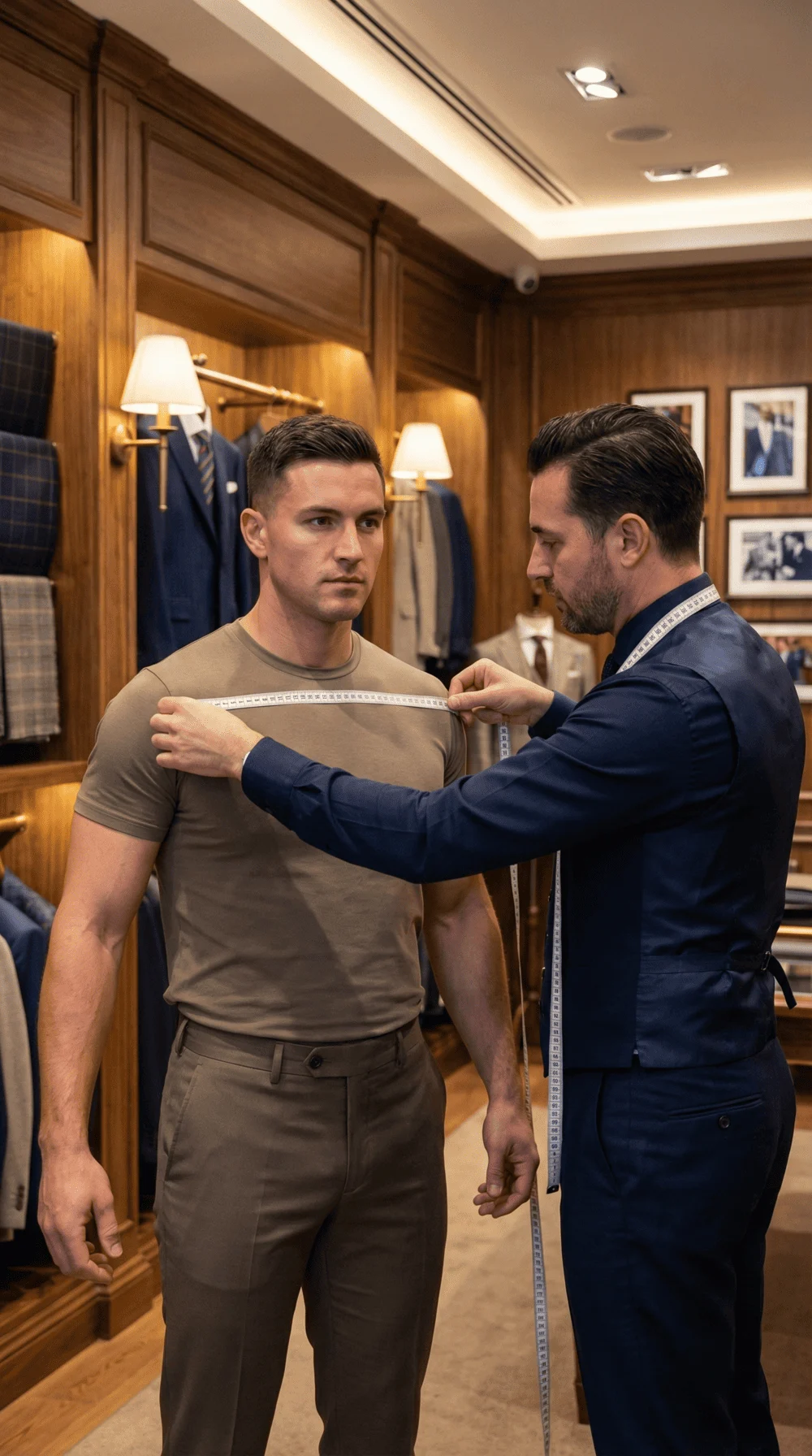
At Dunnio Tailor, fitting athletic builds is one of our specialties. We understand that standard sizing simply does not work for men with significant muscle development. Our made-to-measure process begins with comprehensive measurements: chest at the fullest point, waist at the natural waistline, shoulder width, and back length. We then create a pattern specific to your body, with the appropriate taper and shaping. The result is a waistcoat that showcases your physique without looking overly tight or costume-like.
10. Body type guidance: rectangle and shorter stature
10.1 Creating shape for rectangular builds
Men with a rectangular body type have relatively similar measurements through the chest, waist, and hips. There is minimal natural taper, creating a straight up-and-down silhouette. The challenge is to create the illusion of a waist and add visual interest to a shape that can appear undefined. The waistcoat, when properly constructed, can sculpt shape where nature has not provided it.

10.2 Double-breasted for added dimension
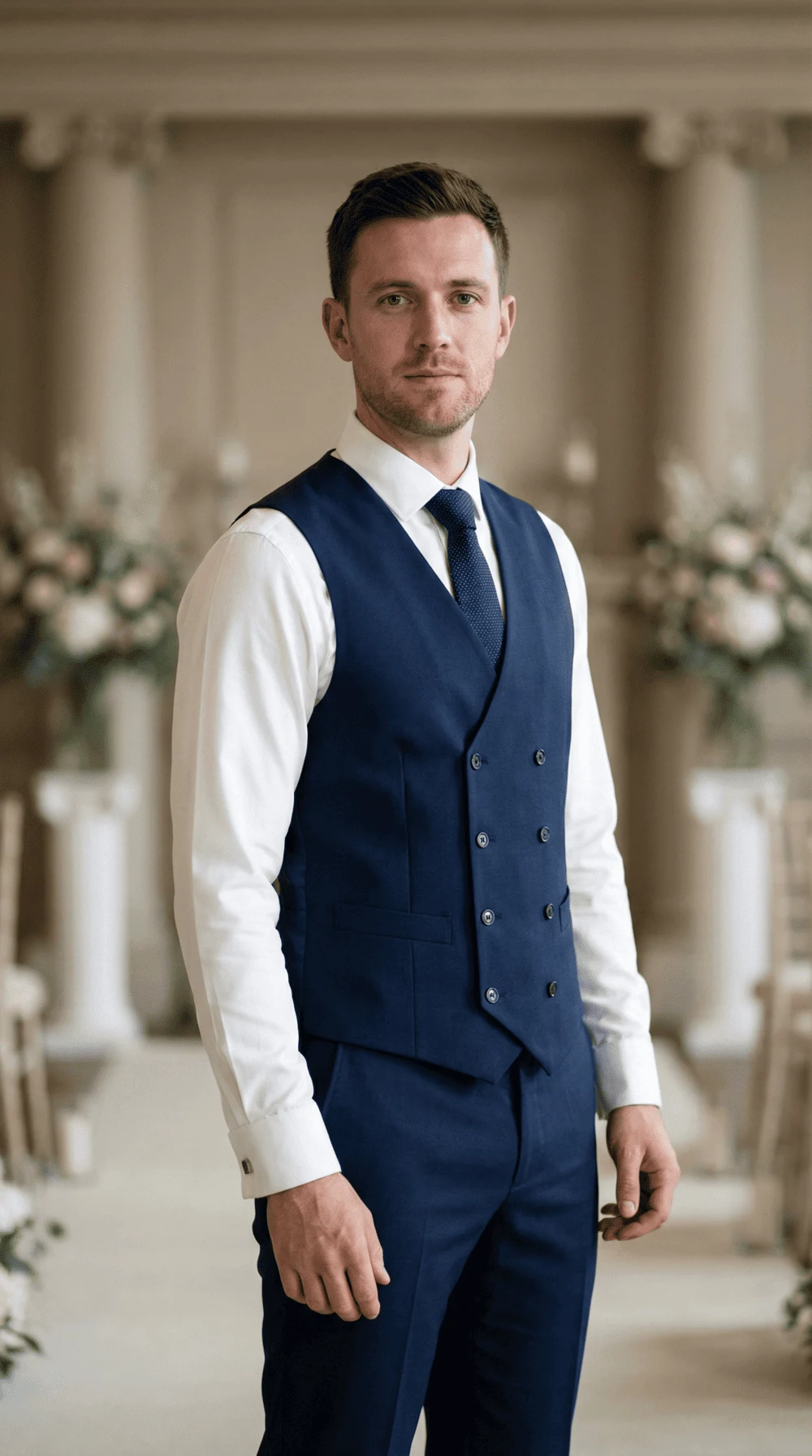
The double-breasted waistcoat is an excellent choice for rectangular body types. The overlapping front panels add visual weight and breadth to the chest, while the button configuration creates vertical and horizontal lines that suggest structure. The extra layer of fabric across the torso also adds substance, making a thin or narrow frame appear more substantial.

10.3 Pattern and texture strategies
Pattern and texture are powerful tools for rectangular builds. Checks, plaids, herringbone, and other patterns expand the figure visually. Textured fabrics like tweed, flannel, or even corduroy for very casual contexts add dimension. Flat, smooth fabrics in solid colours can make a rectangular frame appear even more linear and undefined. The pattern should be proportional to your size: smaller men should choose smaller-scale patterns, while taller men can carry larger checks or bolder designs.

10.4 Higher button stance benefits
A higher button stance, meaning more buttons positioned higher on the torso, can help balance proportions for rectangular builds. A six-button waistcoat creates more visual interest than a four-button style. The additional buttons break up the vertical line and add detail that draws the eye.
10.5 Creating waist definition through construction
Creating waist definition requires strategic construction. Even if your natural waist is not significantly smaller than your chest, the waistcoat can create the illusion of taper through darting and side seam shaping. At Dunnio Tailor, we add subtle suppression at the waist, taking in the fabric just enough to suggest shape without creating an unnatural or overly cinched appearance.

10.6 Verticality for shorter men
For men of shorter stature, typically defined as under five feet eight inches, the waistcoat presents both opportunities and risks. The opportunity is to add formality and structure without overwhelming a smaller frame. The risk is creating horizontal breaks that visually shorten the body further.
The key principle for shorter men is verticality. Everything should work to create unbroken vertical lines that elongate the appearance. This means the waistcoat should match the suit fabric exactly. A contrasting waistcoat creates a horizontal band across the torso, cutting the body in half and reducing perceived height. A monochromatic approach, where the jacket, waistcoat, and trousers are all the same colour, creates a continuous line from shoulder to shoe.

10.7 Length calibration for shorter men
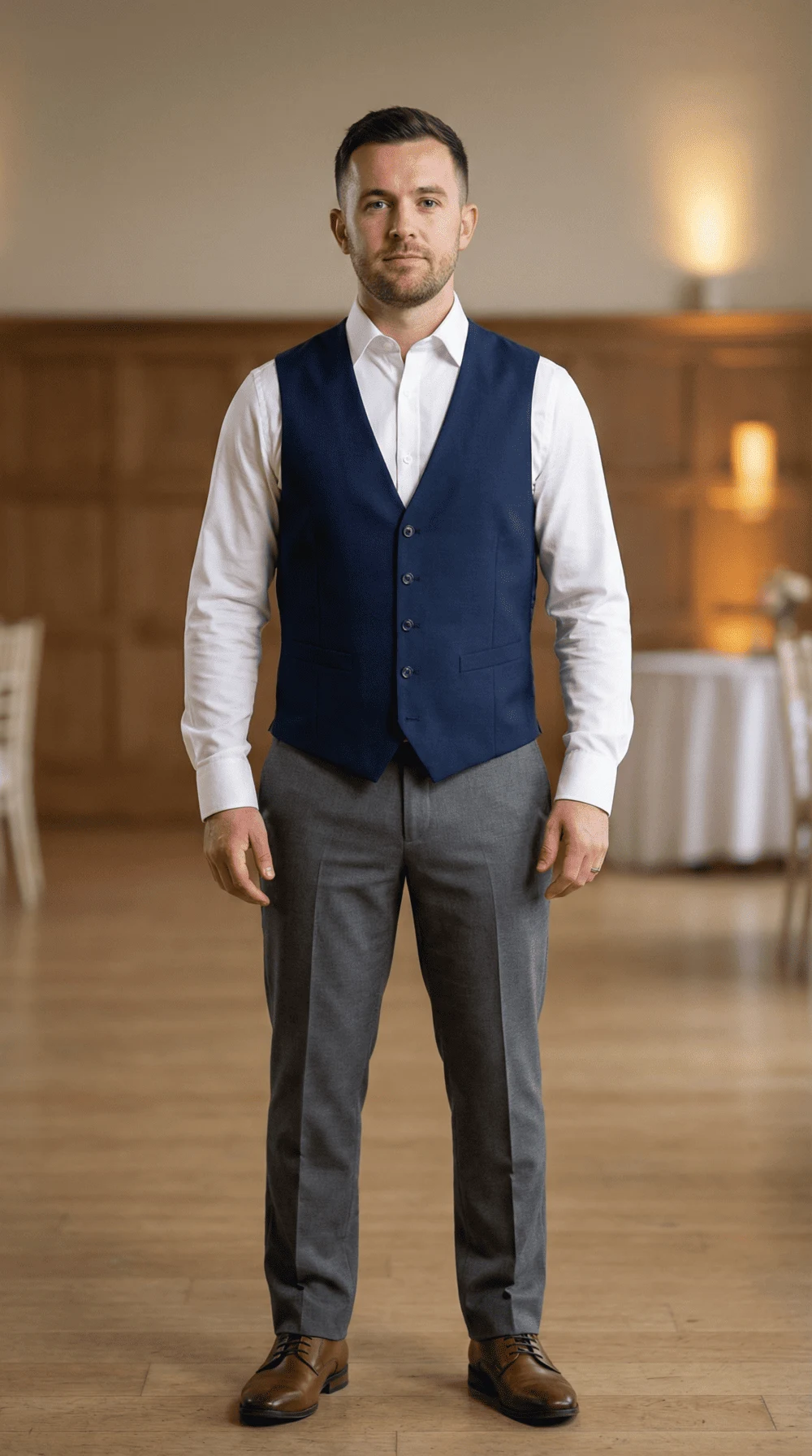
Waistcoat length for shorter men must be carefully calibrated. It must be long enough to cover the trouser waistband, but not so long that it shortens the leg line. High armholes and a slightly shorter overall length, while still maintaining proper coverage, help elongate the legs visually.
10.8 Vertical patterns for height
Pinstripes or other vertical patterns can enhance height. A pinstriped waistcoat matching a pinstriped suit creates strong vertical lines. However, the stripes should be subtle; overly bold stripes can appear costume-like.

10.9 Button stance for shorter stature
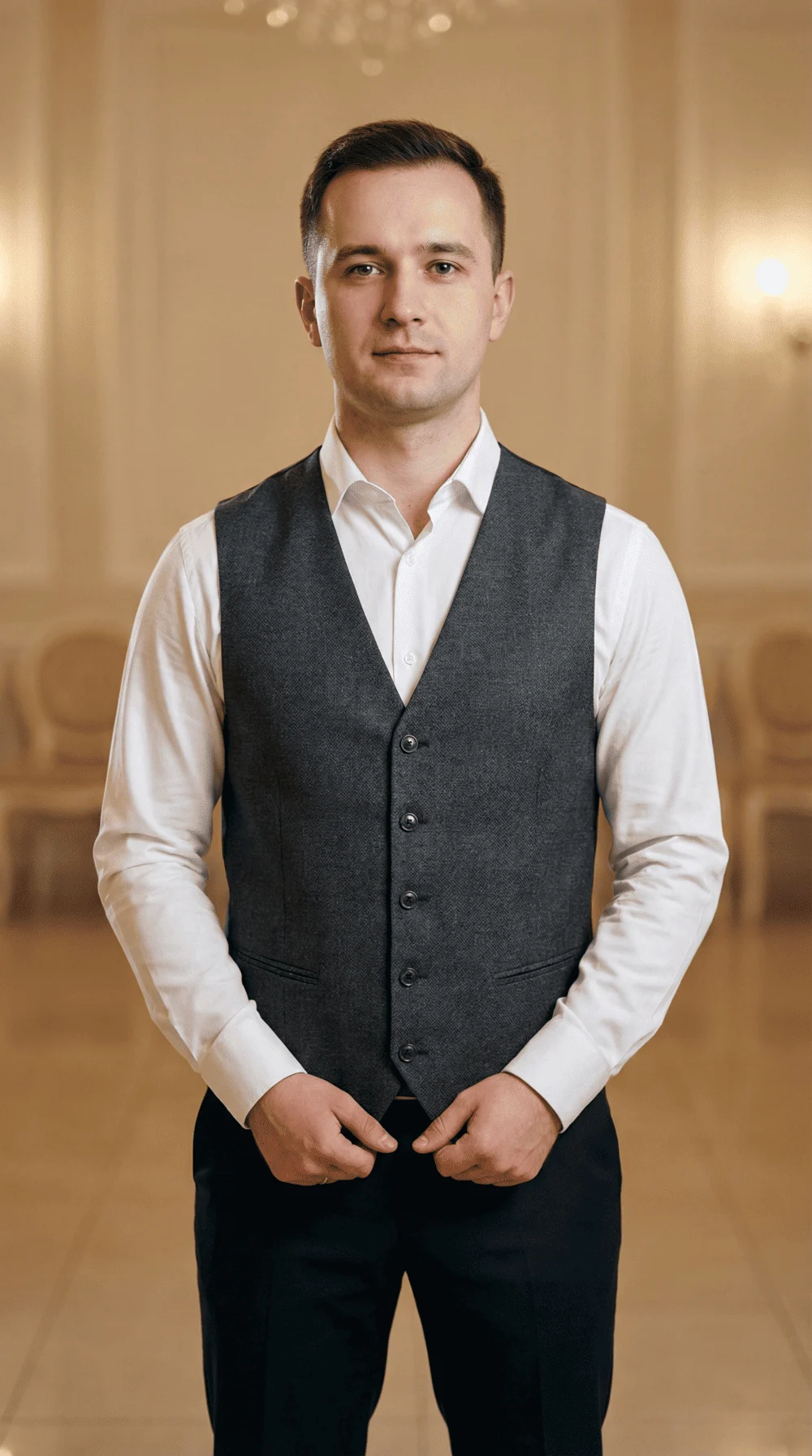
Button stance for shorter men should be moderate. Too many buttons can make the torso appear longer and the legs shorter. A four or five-button configuration typically works best, creating enough detail without overwhelming the frame.
10.10 Proportional adjustments at Dunnio Tailor
At Dunnio Tailor, we understand that shorter stature requires specific proportional adjustments. We do not simply scale down a standard pattern; we recalibrate the proportions to ensure the waistcoat enhances rather than diminishes your appearance. Our fitting process includes assessing your overall proportions, leg length relative to torso, and shoulder width to create a waistcoat that works harmoniously with your build.

11. Construction quality explained
11.1 Why construction matters
The difference between a budget waistcoat and a bespoke garment is not merely price; it is construction methodology. Understanding these differences helps you make informed decisions about where to invest your wedding attire budget.

11.2 Fused construction
The internal structure of a waistcoat determines how it drapes, breathes, and ages. Fused construction is the most common method in affordable and mid-range waistcoats. In this process, an interlining, typically a synthetic material, is glued to the wool fabric using heat and adhesive. This creates a stiff, structured feel initially. The advantage is cost: fused construction is fast and requires less skilled labour. The disadvantage is durability and comfort. Over time, particularly after dry cleaning, the adhesive can fail, causing bubbling or delamination where the interlining separates from the fabric. Fused waistcoats also do not breathe well, as the synthetic interlining blocks air circulation.
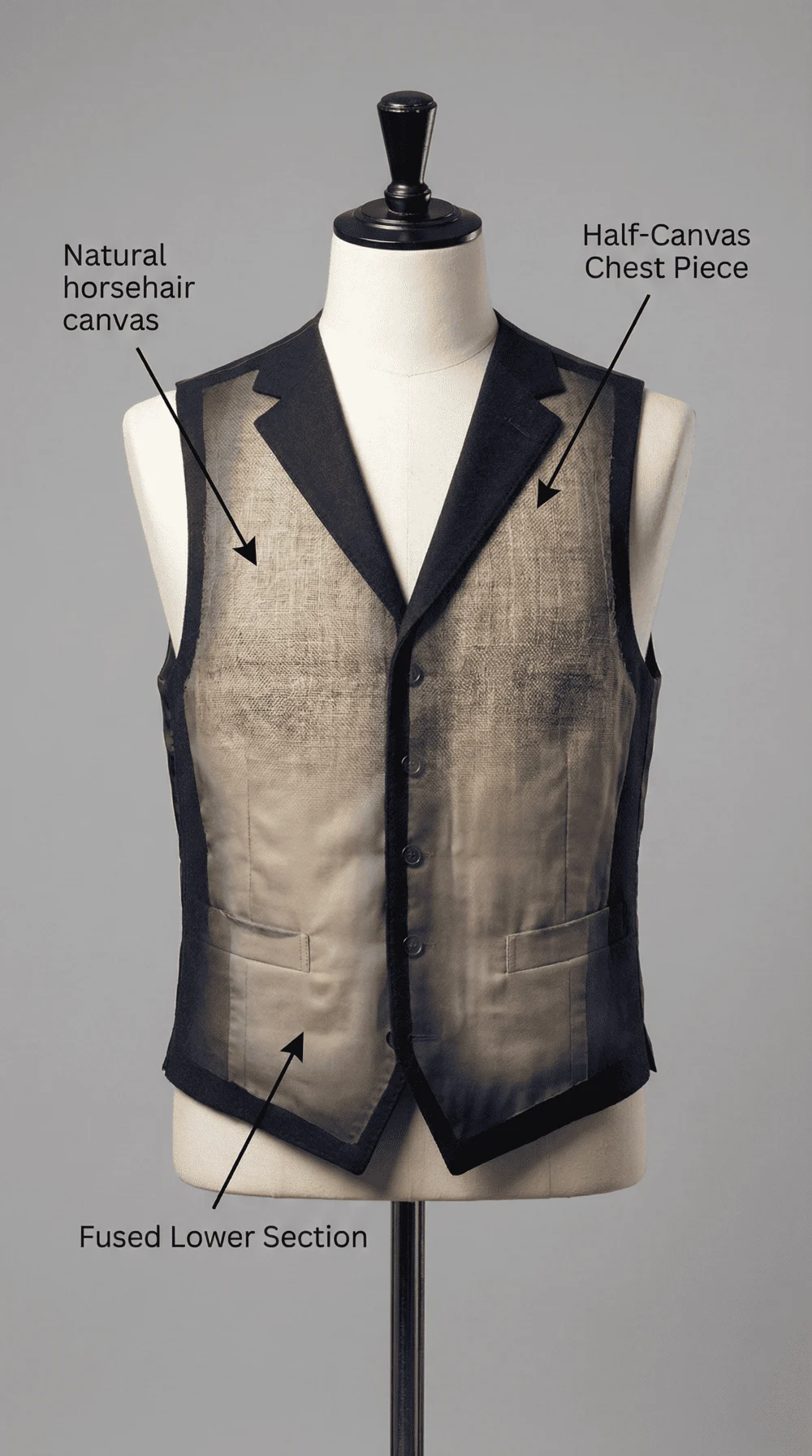
11.3 Half-canvassed construction
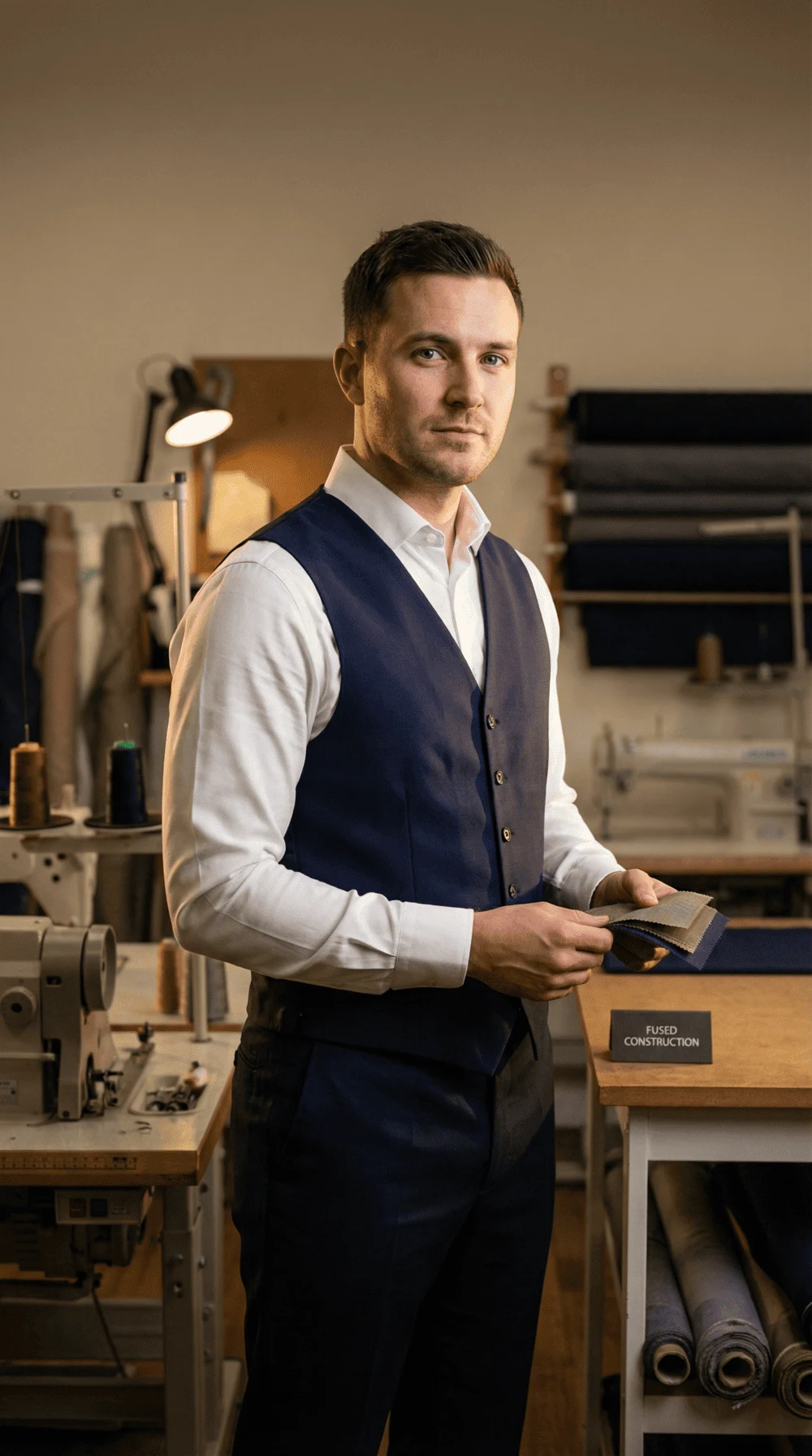
Half-canvassed construction represents a middle ground. In this method, a canvas layer, traditionally made from horsehair and wool, is stitched into the chest area of the waistcoat, while the lower portion remains fused. The canvas provides better drape and breathability in the chest, where it matters most, while keeping costs lower than full canvas construction. Half-canvassed waistcoats offer a noticeable improvement over fully fused garments at a moderate price increase.
11.4 Full canvassed construction
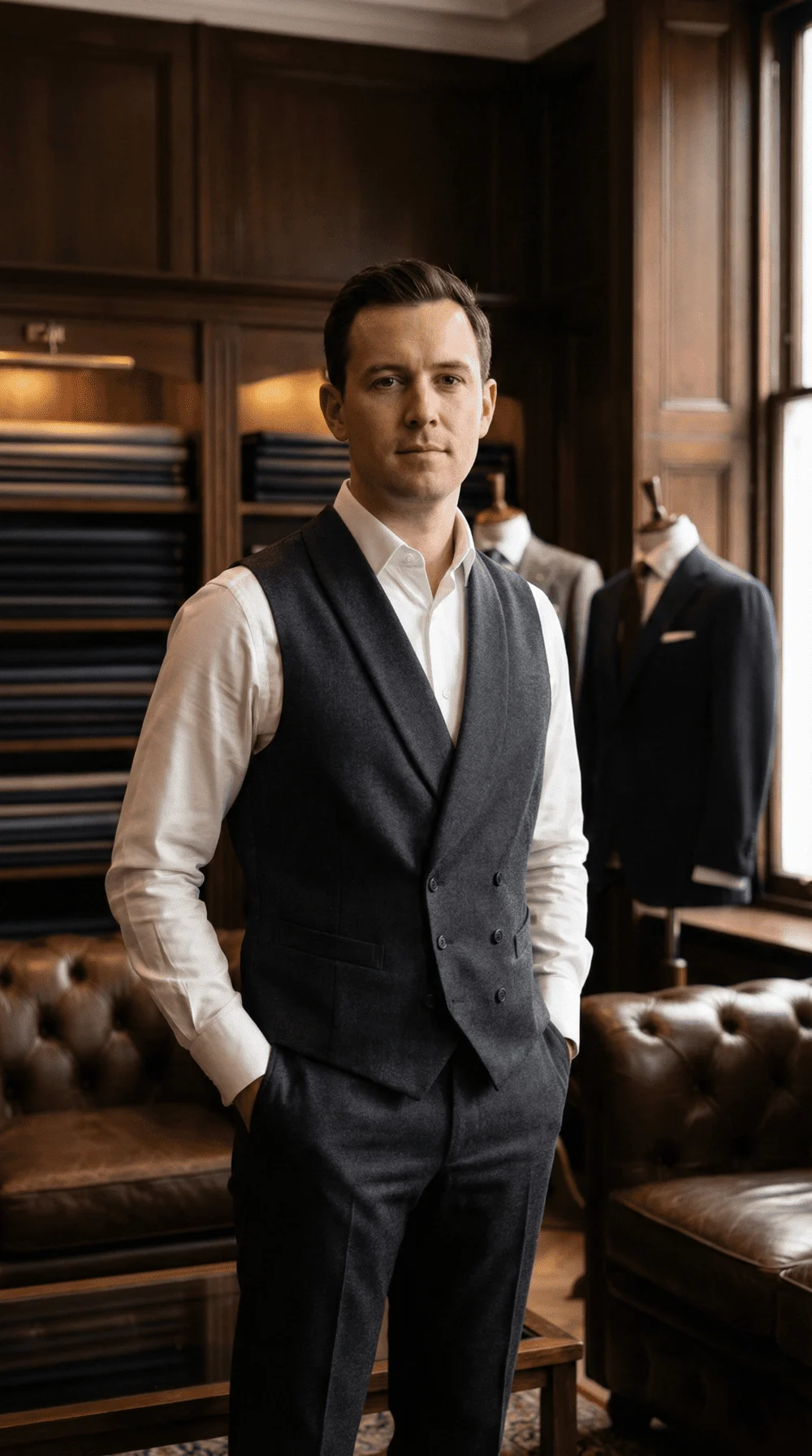
Full canvassed construction is the hallmark of bespoke and high-end made-to-measure tailoring. Here, a floating canvas layer is stitched throughout the waistcoat, between the outer fabric and the lining. This canvas is not glued; it is attached with thousands of hand stitches that allow the layers to move independently. Over time, the canvas moulds to your body shape through heat and wear, creating a truly personalised fit. Full canvassed waistcoats breathe significantly better than fused alternatives, making them far more comfortable in warm weather. They also drape more naturally, creating a softer, more elegant line.
11.5 Breathability for Australian summers
For Australian weddings, particularly summer events, the breathability difference is substantial. A fused waistcoat is essentially a layer of plastic glued to wool. In Brisbane or Darwin heat, this becomes a sweat trap. A canvassed waistcoat allows air to circulate, wicking moisture away from the body. While no waistcoat is cool in extreme heat, canvassed construction makes the experience far more tolerable.
11.6 Lining back versus cloth back
The back of the waistcoat presents another construction choice. Traditional waistcoats feature a lining back, typically in silk, satin, or a synthetic equivalent. This smooth material allows the jacket to slide on and off easily, reducing friction. The lining back is also lighter and cooler than a cloth back. However, when you remove your jacket, a lining back can appear unfinished or, in some cases, like underwear.
The cloth back, where the back panel is made from the same fabric as the front, has become increasingly popular for wedding waistcoats. When the groom or groomsmen remove their jackets during the reception, the cloth back maintains a substantial, finished appearance. It looks like a complete garment rather than an underlay. The trade-off is slightly more warmth and less ease when putting on the jacket. At Dunnio Tailor, we typically recommend cloth backs for wedding waistcoats, particularly if you plan to be photographed without your jacket.

11.7 Button quality matters
Button quality is often overlooked but significantly impacts the overall appearance. Cheap plastic buttons cheapen even an expensive waistcoat. Quality options include horn buttons, which have natural variation and a subtle lustre, mother-of-pearl for formal evening wear, and covered buttons, where the waistcoat fabric is wrapped around a button form. Covered buttons create a seamless, elegant look, though they are more delicate and can be damaged by rough handling.

11.8 The bottom button rule
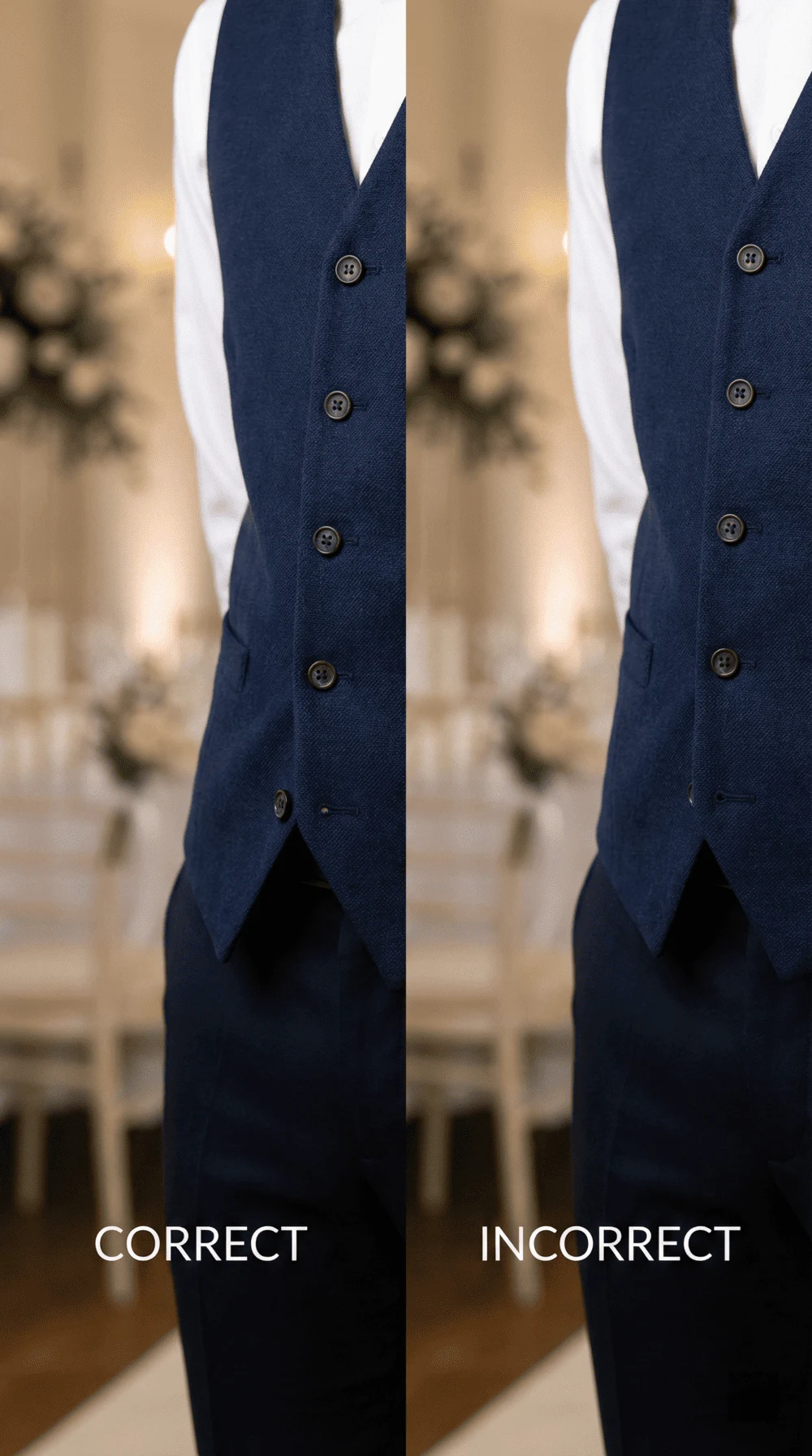
The bottom button rule, one of menswear's most famous conventions, states that the bottom button of a single-breasted waistcoat should always remain unfastened. This tradition allegedly originated with King Edward VII, who grew too portly to fasten his bottom button. Courtiers copied him, and the practice became standard. Modern waistcoats are actually cut with a slight cutaway at the bottom, assuming the last button will remain open. Fastening it causes the fabric to bunch and pull when sitting. Always leave the bottom button undone.
11.9 Dunnio Tailor's construction standards
At Dunnio Tailor, we use full canvassed construction for all our waistcoats. We believe the investment in proper construction pays dividends in comfort, appearance, and longevity. A well-made waistcoat should last decades, serving you at multiple weddings and formal events. By choosing quality construction, you are not buying a garment for one day; you are investing in a wardrobe staple.

12. Fabric selection for Australian climates
12.1 Why climate matters
Australia's diverse climate zones demand careful fabric selection for wedding waistcoats. What works for a December wedding in Darwin would be torture in July in Hobart, and vice versa. Understanding fabric properties allows you to balance formality with comfort.

12.2 Summer fabrics: linen
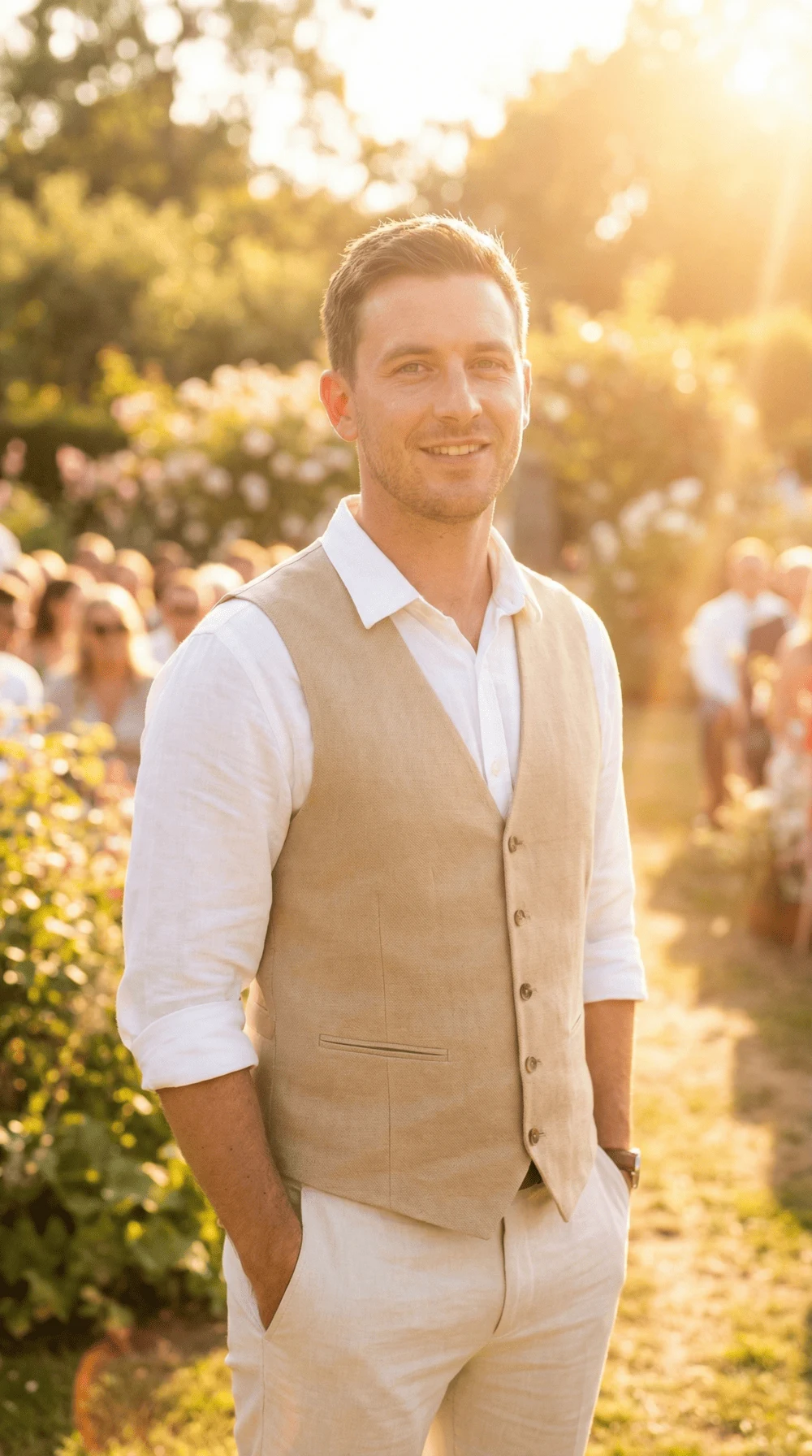
For summer weddings, which in Australia run from December through February, breathability is paramount. Linen is the traditional warm-weather fabric. It is made from flax fibres, which are naturally hollow, allowing exceptional air circulation. Linen absorbs moisture without feeling clammy and dries quickly. The characteristic wrinkling of linen, often seen as a drawback, is actually a sign of authenticity and is considered elegant sprezzatura in tailoring circles. However, if you prefer a crisper appearance for photographs, consider a linen-wool blend or linen-silk blend, which offers linen's breathability with better wrinkle resistance.

12.3 Summer fabrics: tropical wool
Tropical wool, despite its name, is a lightweight fabric ideal for hot weather. It is woven from fine, tightly twisted yarns in an open weave that allows air to pass through. Tropical wool maintains a more structured appearance than linen while still offering good breathability. It is an excellent choice for grooms who want formality without suffering in the heat.

12.4 Summer fabrics: fresco wool
Fresco wool is another summer option. This fabric has a distinctive pebbly texture created by a specific weaving technique. The texture creates tiny air pockets that enhance breathability. Fresco wool is more resilient than tropical wool, resisting wrinkles and maintaining shape even in humid conditions. It works particularly well for outdoor weddings in Queensland or coastal New South Wales, where humidity can be as challenging as heat.

12.5 Autumn fabrics
For autumn weddings, from March through May, Australia experiences mild, pleasant weather in most regions. This is the season for versatile mid-weight wools. Worsted wool, which is smooth and tightly woven, offers a refined appearance suitable for both daytime and evening events. Flannel, with its soft, slightly fuzzy texture, adds warmth and visual interest. Flannel waistcoats in grey or brown tones are perfect for vineyard weddings in the Barossa Valley or Yarra Valley, complementing the earthy, rustic aesthetic.
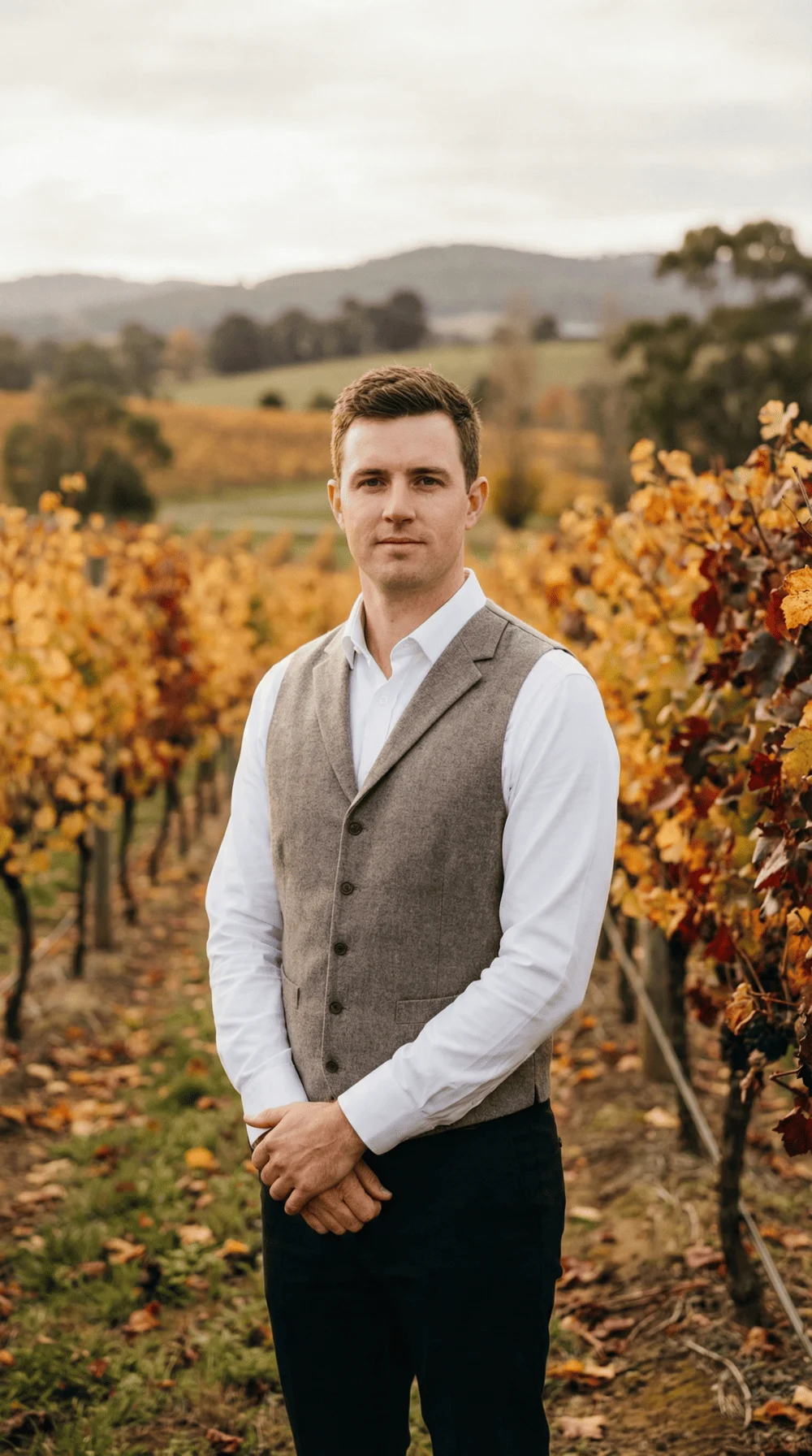
12.6 Autumn fabrics: tweed
Tweed becomes appropriate for cooler autumn days, particularly in southern regions. Tweed is a thick, textured fabric traditionally associated with country pursuits. It adds substantial warmth and a heritage aesthetic. However, tweed is informal by tailoring standards; it is best suited to rustic, outdoor, or country-themed weddings rather than formal hotel ballrooms.

12.7 Winter fabrics: velvet
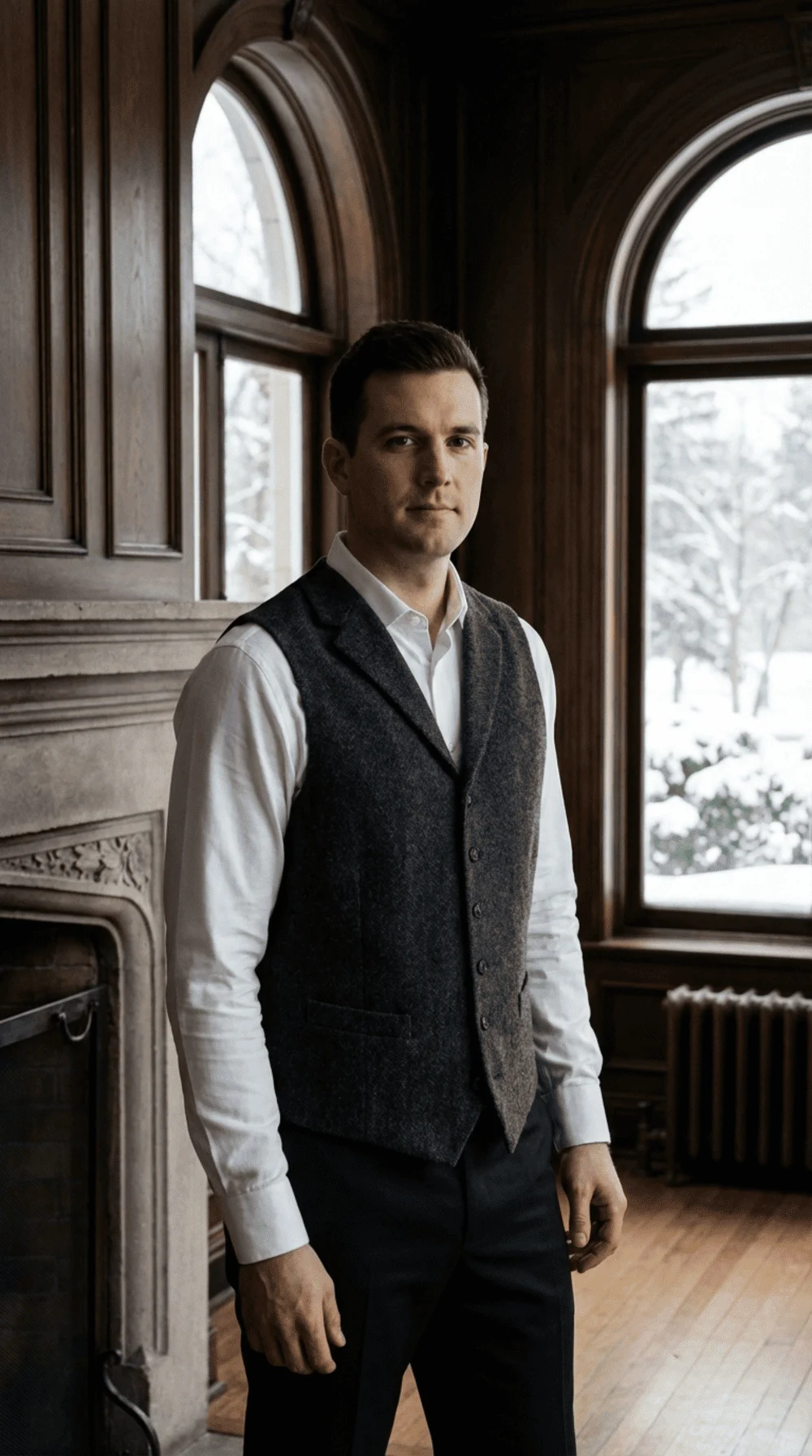
Winter weddings, from June through August, allow for the richest, most luxurious fabrics. Velvet is the standout choice for winter evening events. Velvet has a pile surface that absorbs light, creating deep, saturated colours that photograph beautifully. Burgundy, emerald, midnight blue, and black velvet waistcoats add drama and formality. Velvet is warm but not excessively so; it is suitable for indoor venues with heating. However, avoid velvet for daytime events, as it can appear too formal and theatrical in natural light.

12.8 Winter fabrics: heavy wool and cashmere
Heavy tweed and cashmere blends provide genuine warmth for winter weddings in Melbourne, Canberra, or Tasmania. These fabrics are substantial and structured, creating a robust, masculine silhouette. They work well for morning or afternoon weddings in heritage venues or country estates.
12.9 Spring fabrics
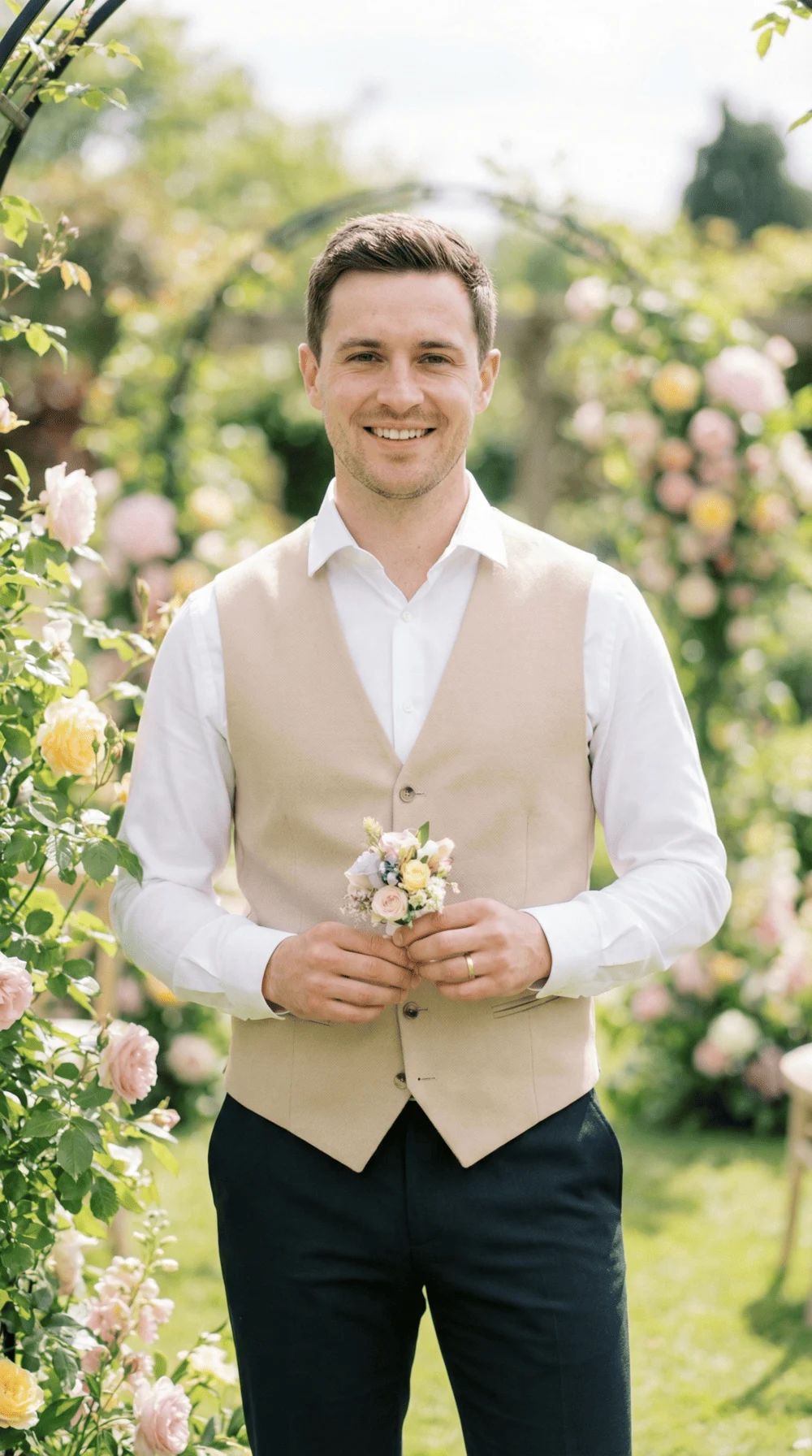
Spring weddings, from September through November, mirror autumn in their versatility. Mid-weight wools in lighter colours, such as pale grey, tan, or even pastel shades, capture the season's freshness. Cotton-wool blends offer a lighter feel than pure wool while maintaining enough structure for formal wear.
12.10 Dunnio Tailor's climate expertise
At Dunnio Tailor, we maintain an extensive fabric library that accounts for Australia's climate diversity. During consultations, we discuss not only the wedding date but also the specific location and venue. A November wedding in Cairns requires completely different fabric choices than a November wedding in Hobart. Our expertise in matching fabric to climate ensures you look impeccable while remaining comfortable throughout your celebration.

13. Colour and pattern guidance
13.1 Classic neutral colours
Colour selection for your waistcoat should balance personal preference, wedding theme, formality level, and season. Classic neutrals offer versatility and timeless elegance. Navy is the most popular choice for wedding waistcoats, working across all seasons and formality levels. It photographs well, complements most skin tones, and coordinates easily with other colours. Charcoal grey offers similar versatility with a slightly more formal edge. Light grey and tan are excellent for spring and summer weddings, providing contrast against darker suits or creating monochromatic elegance when matched to the suit fabric.

13.2 Trending jewel tones
Trending jewel tones have surged in popularity for grooms seeking distinction. Emerald green, particularly in velvet, creates a rich, regal appearance perfect for winter weddings. Burgundy and wine tones work beautifully for autumn celebrations, echoing the season's natural palette. Midnight blue, darker than navy, offers depth and formality for evening events. These colours work best when the groom wears them while the groomsmen remain in neutrals, creating clear visual hierarchy.

13.3 Pastels and lighter tones
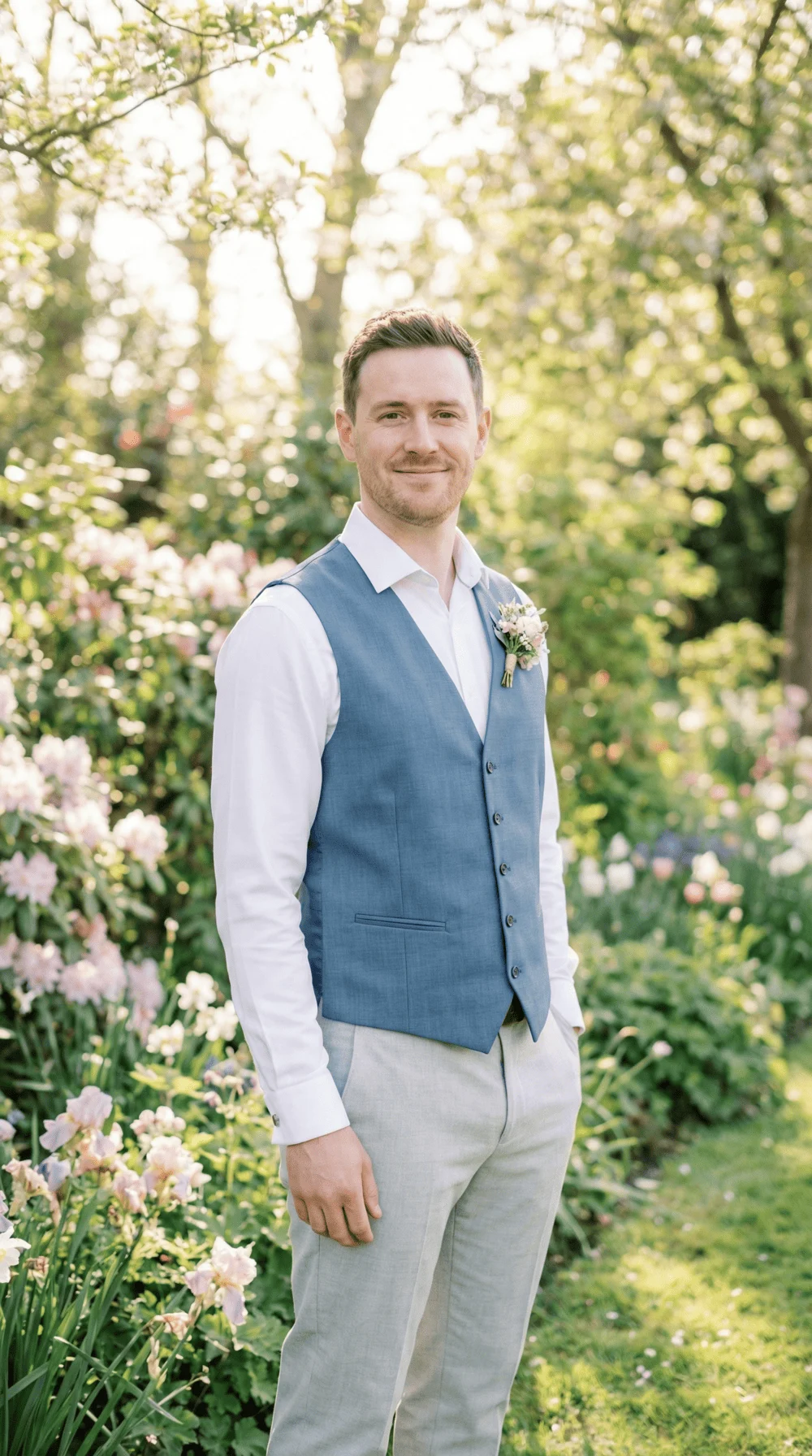
Pastels and lighter tones suit spring and summer weddings. Dusty blue, sage green, and blush pink have all appeared in wedding parties, though these colours require confidence to wear. They work best in outdoor, garden, or beach settings where the lighter tones harmonise with the natural environment. However, very light colours can be unforgiving on certain body types, showing every fit imperfection.
13.4 Pattern mixing principles
Pattern mixing requires understanding scale and colour relationships. A solid waistcoat is the safest choice and works in all contexts. However, subtle patterns can add interest without overwhelming. A tonal pattern, where the pattern is the same colour family as the background, adds texture while maintaining formality. For example, a navy waistcoat with a tonal paisley pattern in slightly darker navy creates visual interest without being loud.

13.5 Contrasting patterns
Contrasting patterns require more care. If your suit is solid, you can wear a patterned waistcoat, but keep the pattern subtle. Small checks, pinstripes, or understated florals work better than large, bold patterns. If your suit is patterned, your waistcoat should generally be solid to avoid visual chaos. The exception is when you are deliberately creating a spezzato look, mixing patterns from different suits, which requires significant expertise to execute successfully.
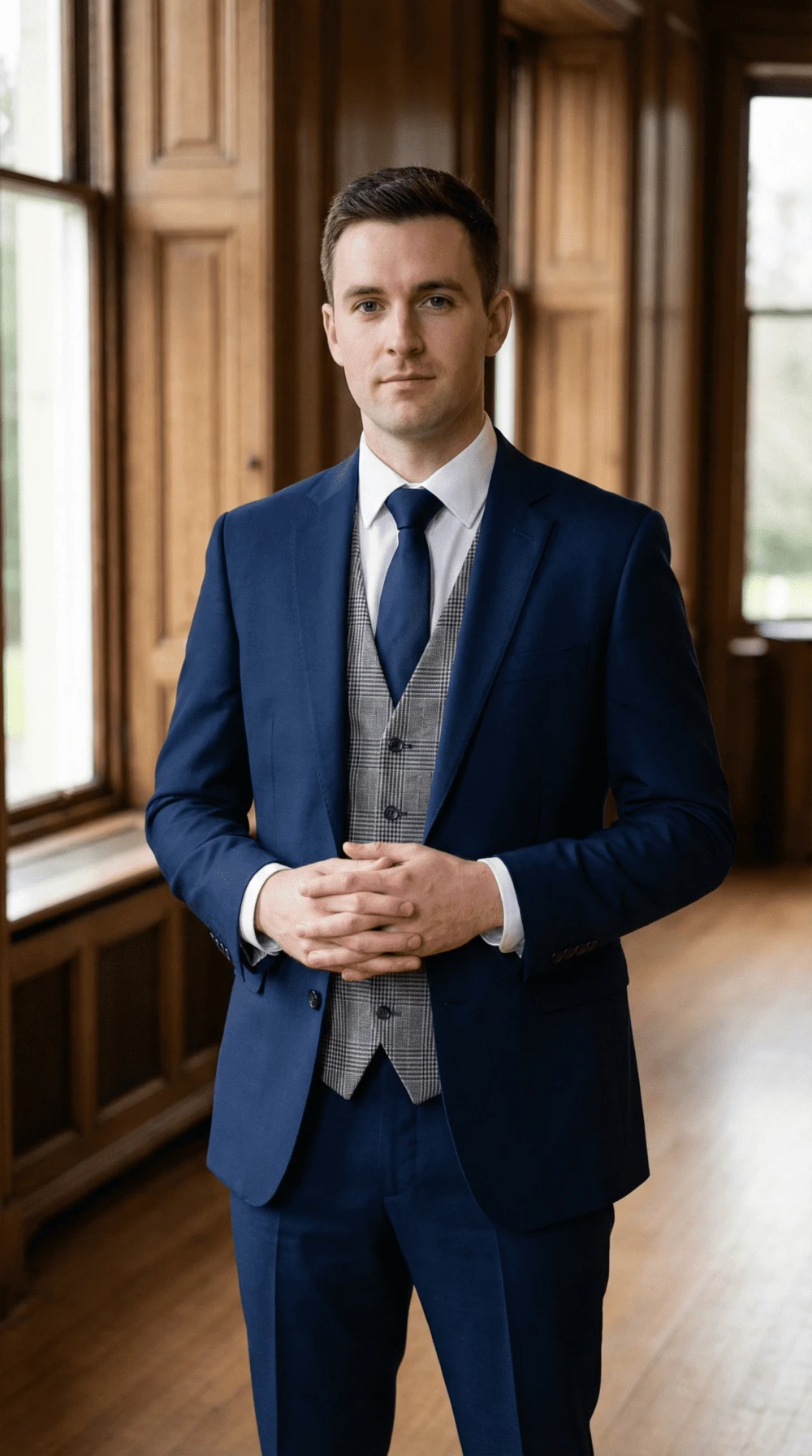
13.6 Seasonal colour palettes
Seasonal colour palettes follow natural associations. Spring welcomes pastels, light greys, and soft blues. Summer suits bright whites, creams, and light tans. Autumn calls for earth tones: browns, rusts, olives, and burgundies. Winter allows for deep, saturated colours: black, charcoal, navy, emerald, and burgundy.

13.7 Australian wedding colour trends
Australian wedding colour trends for 2025 and 2026 show a movement toward earthy, natural tones influenced by our landscape. Terracotta, sage green, and dusty blue reflect the Australian bush and coast. These colours work particularly well for outdoor and destination weddings. There is also a continued interest in the old money aesthetic, which favours classic neutrals and avoids trendy colours that will date quickly.

13.8 Colour consultation at Dunnio Tailor
At Dunnio Tailor, we provide colour consultation as part of our service. We can show you fabric samples in various lights, helping you understand how colours will appear in different settings. We also advise on colour coordination with the broader wedding palette, ensuring your waistcoat enhances rather than clashes with the overall aesthetic.

14. Styling and etiquette essentials
14.1 The bottom button rule revisited
Proper styling extends beyond the waistcoat itself to how you integrate it with the rest of your attire. The bottom button rule, as mentioned earlier, is non-negotiable: always leave the bottom button of a single-breasted waistcoat unfastened. This applies whether you are wearing the jacket or have removed it. Fastening the bottom button marks you as unfamiliar with tailoring conventions.

14.2 Neckwear integration
Neckwear integration requires attention to proportion and placement. Your tie should never be visible below the bottom of the waistcoat. If it is, either the tie is too long or the waistcoat is too short. The tie should end at the trouser waistband, completely concealed by the waistcoat. For formal events, a silk tie in a complementary colour works best. The tie width should be proportional to your lapels: wider lapels call for wider ties, and vice versa.
14.3 Black tie considerations
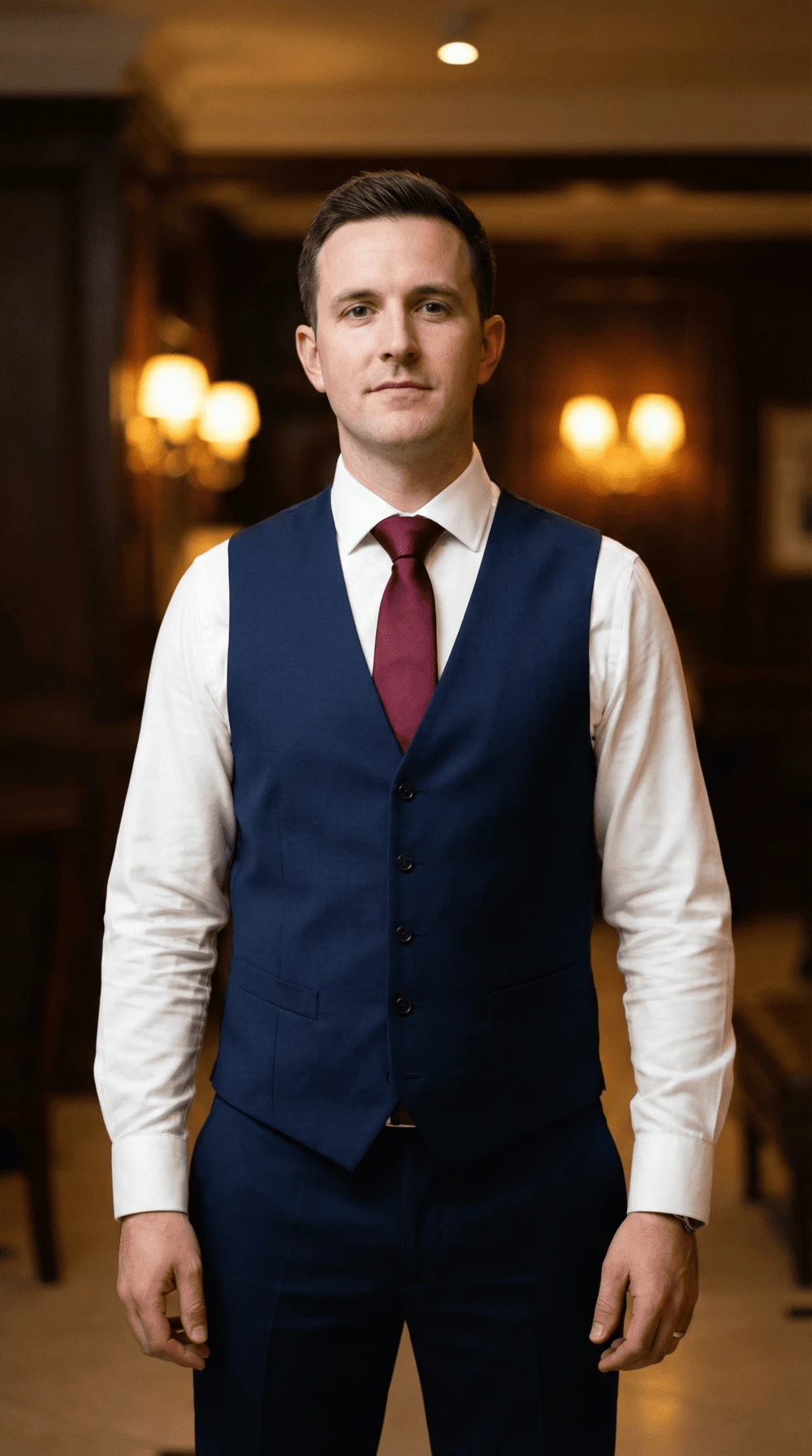
For black tie events, the bow tie is mandatory. The waistcoat or cummerbund serves to cover the trouser waistband, as the short tuxedo jacket does not extend as low as a lounge suit jacket. The evening waistcoat for black tie is cut lower than a business waistcoat, typically in a U-shape or deep V, to display the shirt studs. It is traditionally black or white, matching the bow tie.

14.4 Pocket watches and traditional accessories
Pocket watches represent the traditional accessory for waistcoats. The waistcoat typically features a small pocket, originally designed to hold a pocket watch. A watch chain, or albert, threads through a buttonhole and attaches to the watch in the pocket. This creates a classic, heritage look perfect for vintage-themed or traditional weddings. However, pocket watches are purely decorative in the modern era; you will still need a wristwatch for actual timekeeping.

14.5 Other accessories
Other accessories should be chosen with restraint. A pocket square in the jacket breast pocket adds colour and personality. It should coordinate with but not exactly match the tie. Cufflinks are essential if your shirt has French cuffs. Tie bars or tie pins can keep the tie in place, though they are optional. Avoid over-accessorising; the waistcoat itself is a statement piece.

14.6 When to remove your jacket
The question of when to remove your jacket is governed by context and formality. At the ceremony, the jacket is mandatory. During formal photographs, keep the jacket on. At the reception, you may remove the jacket once the formalities are complete, particularly for dancing. The waistcoat allows you to maintain formality and polish even in shirt sleeves. However, if the event is extremely formal, such as a white tie wedding, the jacket should remain on throughout.

14.7 Maintaining formality without the jacket
Maintaining formality without the jacket requires attention to detail. Ensure your shirt is crisp and well-fitted. The waistcoat should lie flat without gapping or pulling. Your trousers should be properly pressed with a sharp crease. Even without the jacket, you should appear intentionally dressed, not dishevelled.

14.8 Vest versus cummerbund for black tie
The vest versus cummerbund debate for black tie events comes down to personal preference and body type. The cummerbund, a pleated silk sash worn around the waist, is the traditional choice. It is cooler and creates a longer leg line. However, it offers no shaping or structure. The evening waistcoat provides more coverage and can be more flattering for men who are self-conscious about their midsection. Both are correct; choose based on comfort and appearance.

14.9 Styling advice at Dunnio Tailor
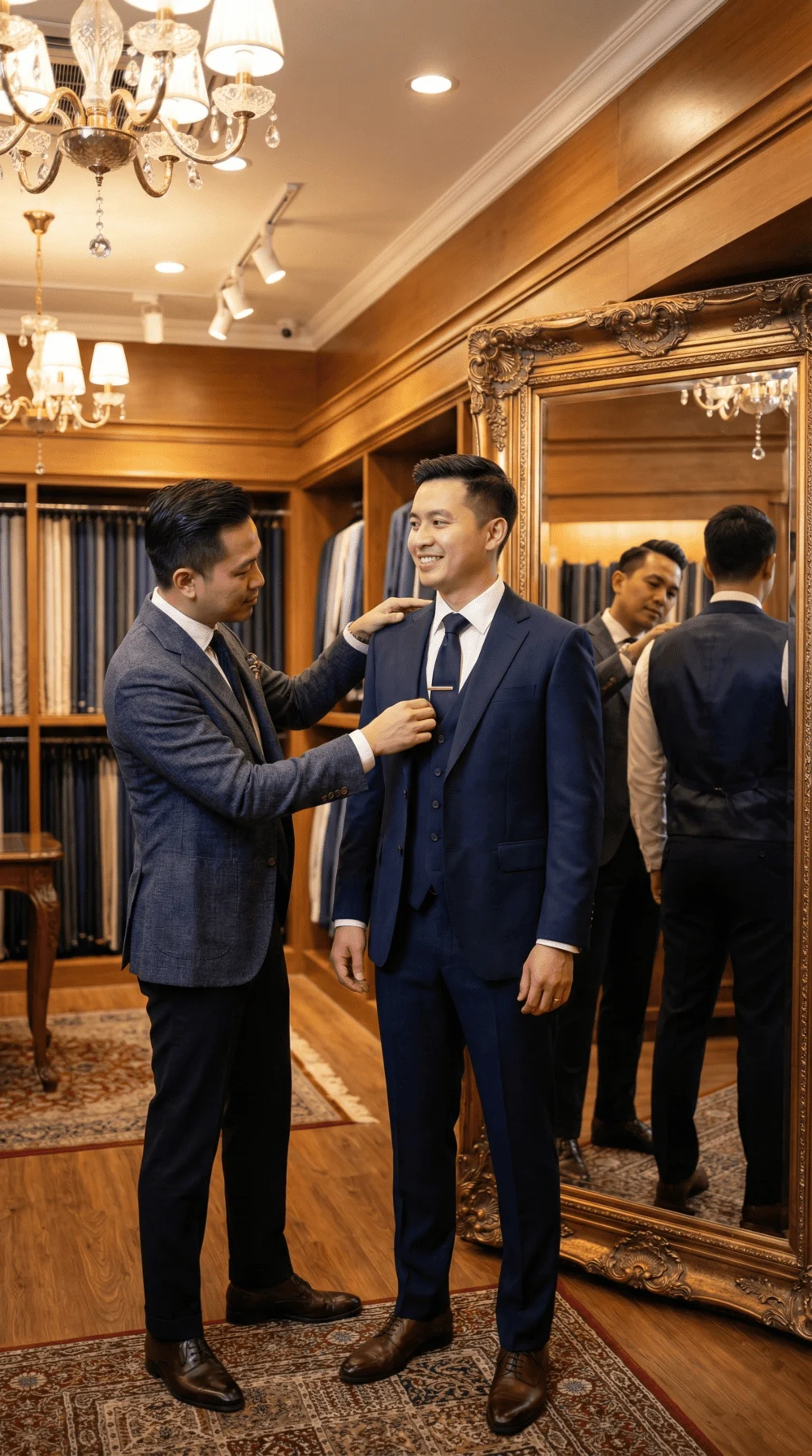
At Dunnio Tailor, we provide comprehensive styling advice as part of our service. We can recommend shirt styles, neckwear options, and accessories that complement your waistcoat and overall attire. Our goal is to ensure you feel confident and appropriately dressed for every moment of your wedding day.
15. Modern trends shaping waistcoat fashion
15.1 The double-breasted resurgence
The waistcoat's current renaissance shows no signs of abating. Several trends are shaping how men approach this garment in 2025 and 2026. The double-breasted waistcoat, as mentioned throughout this guide, is experiencing a major resurgence. After decades of single-breasted dominance, the double-breasted style offers a fresh, distinctive look. It creates a broader, more structured silhouette and signals that the wearer has invested thought into his appearance. Expect to see more grooms choosing double-breasted waistcoats to differentiate themselves from their parties.

15.2 The old money aesthetic
The old money aesthetic continues to influence wedding attire. This style emphasises quiet luxury: impeccable fit, premium fabrics, and classic styling without overt branding or trendy details. Waistcoats in this aesthetic are understated, often in neutral colours and fine wools. The focus is on construction quality and perfect fit rather than bold colours or patterns. This trend aligns well with bespoke and made-to-measure tailoring, as off-the-rack garments rarely achieve the precise fit that defines old money style.
15.3 The Bridgerton effect
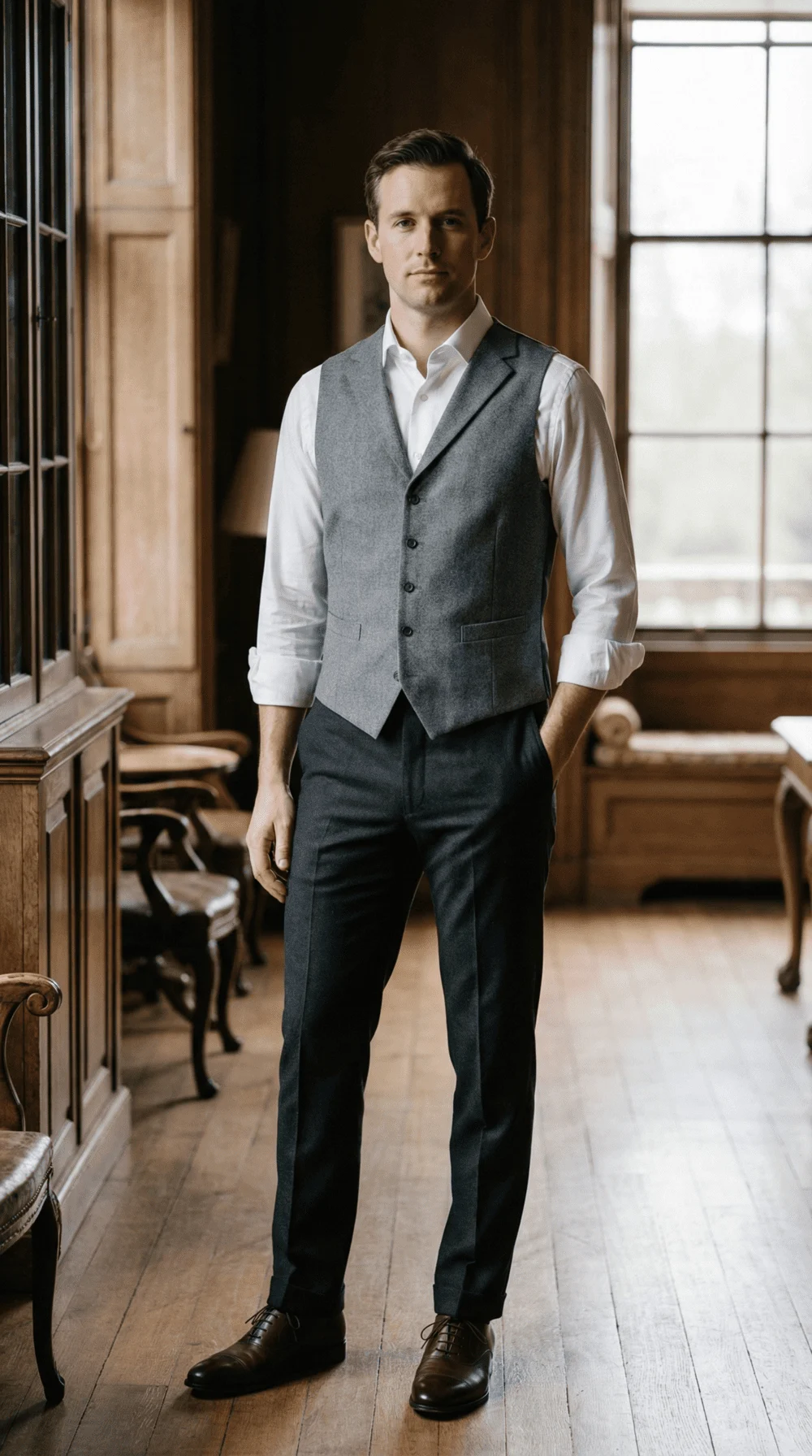
The Bridgerton effect has introduced a romantic, Regency-inspired aesthetic to wedding fashion. This manifests in waistcoats through higher collars, ornate fabrics like brocade and jacquard, and pastel colours. Double-breasted styles with more buttons and decorative details evoke the early nineteenth century. While not appropriate for every wedding, this trend works beautifully for couples embracing a romantic, historical theme.

15.4 Sustainability and investment dressing
Sustainability and investment dressing are increasingly important to conscious consumers. Rather than purchasing cheap, disposable wedding attire, men are investing in quality garments they can wear repeatedly. A well-made waistcoat in a classic style and neutral colour can serve at multiple weddings, formal events, and even professional settings. This shift favours bespoke and made-to-measure tailoring over fast fashion, as quality construction ensures longevity.

15.5 Bespoke versus fast fashion
The bespoke versus fast fashion divide is widening. Fast fashion offers immediate gratification and low prices, but the garments are often poorly constructed, ill-fitting, and made from synthetic materials. They serve for one event and then languish in the wardrobe. Bespoke and made-to-measure tailoring requires more time and investment, but delivers garments that fit perfectly, use quality materials, and last for years. For significant life events like weddings, the investment in proper tailoring pays dividends in appearance, comfort, and confidence.

15.6 Dunnio Tailor's commitment to quality
At Dunnio Tailor, we are committed to the principles of quality, sustainability, and personalised service. We believe that wedding attire should be an investment, not an expense. Our waistcoats are constructed to last, using traditional techniques and premium materials. We guide our clients toward classic styles that will remain elegant for decades, avoiding trendy details that will quickly date. Our made-to-measure process ensures that your waistcoat fits your body perfectly, enhancing your appearance and providing comfort throughout your celebration.

16. The Dunnio Tailor experience
16.1 Understanding your wedding needs
At Dunnio Tailor, we understand that your wedding is one of the most significant days of your life. The attire you wear should reflect the importance of the occasion while expressing your personal style and ensuring complete comfort. Our made-to-measure waistcoat service is designed specifically for the demands of Australian weddings, accounting for our unique climate, cultural context, and the diverse body types of our clients.
16.2 The consultation process
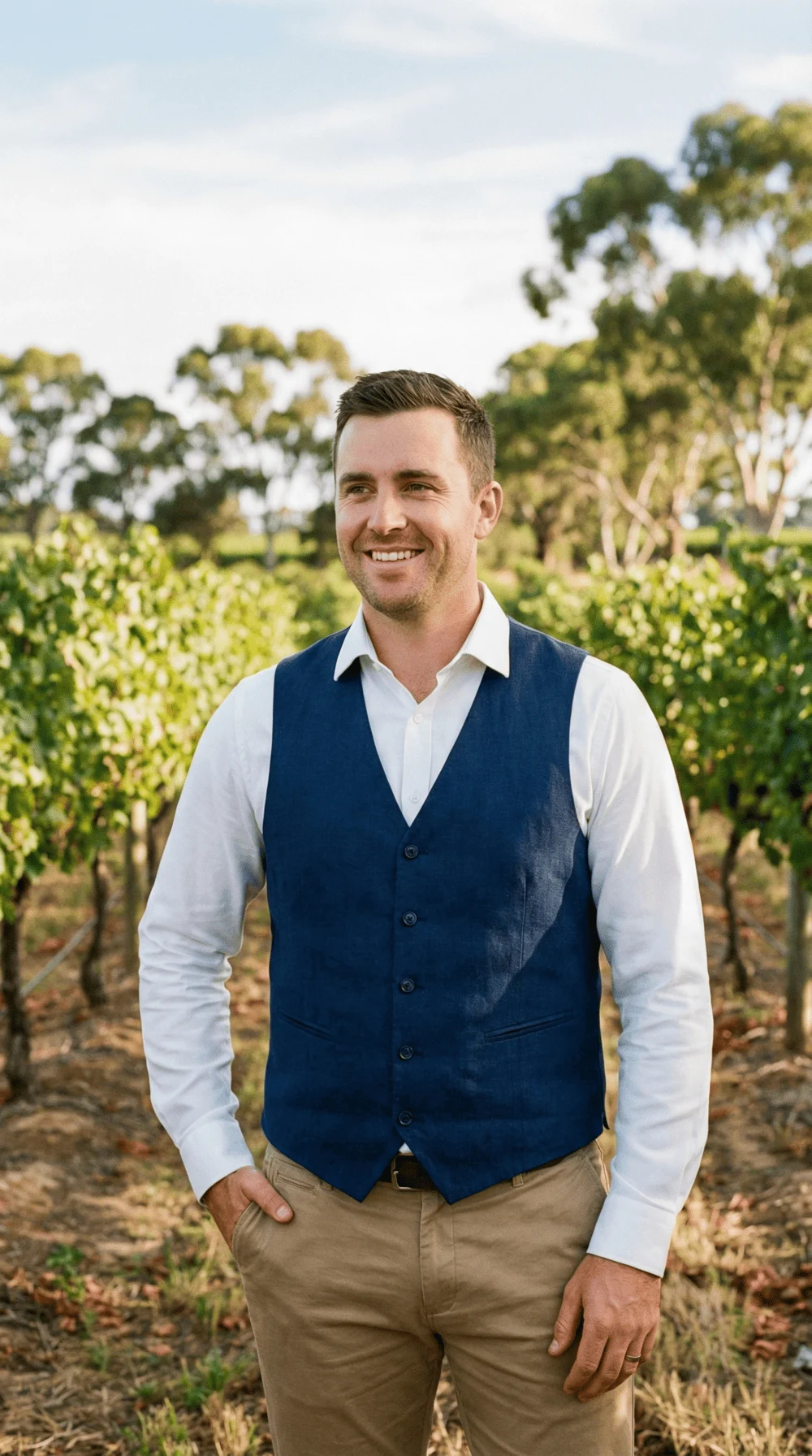
Our process begins with a comprehensive consultation. We discuss your wedding details: the date, location, venue, formality level, and colour palette. We assess your role, whether you are the groom, a groomsman, a father, or a guest. We take detailed measurements, not just of your chest and waist, but of your posture, shoulder slope, and body proportions. This information allows us to create a pattern specific to your physique.

16.3 Fabric library and selection
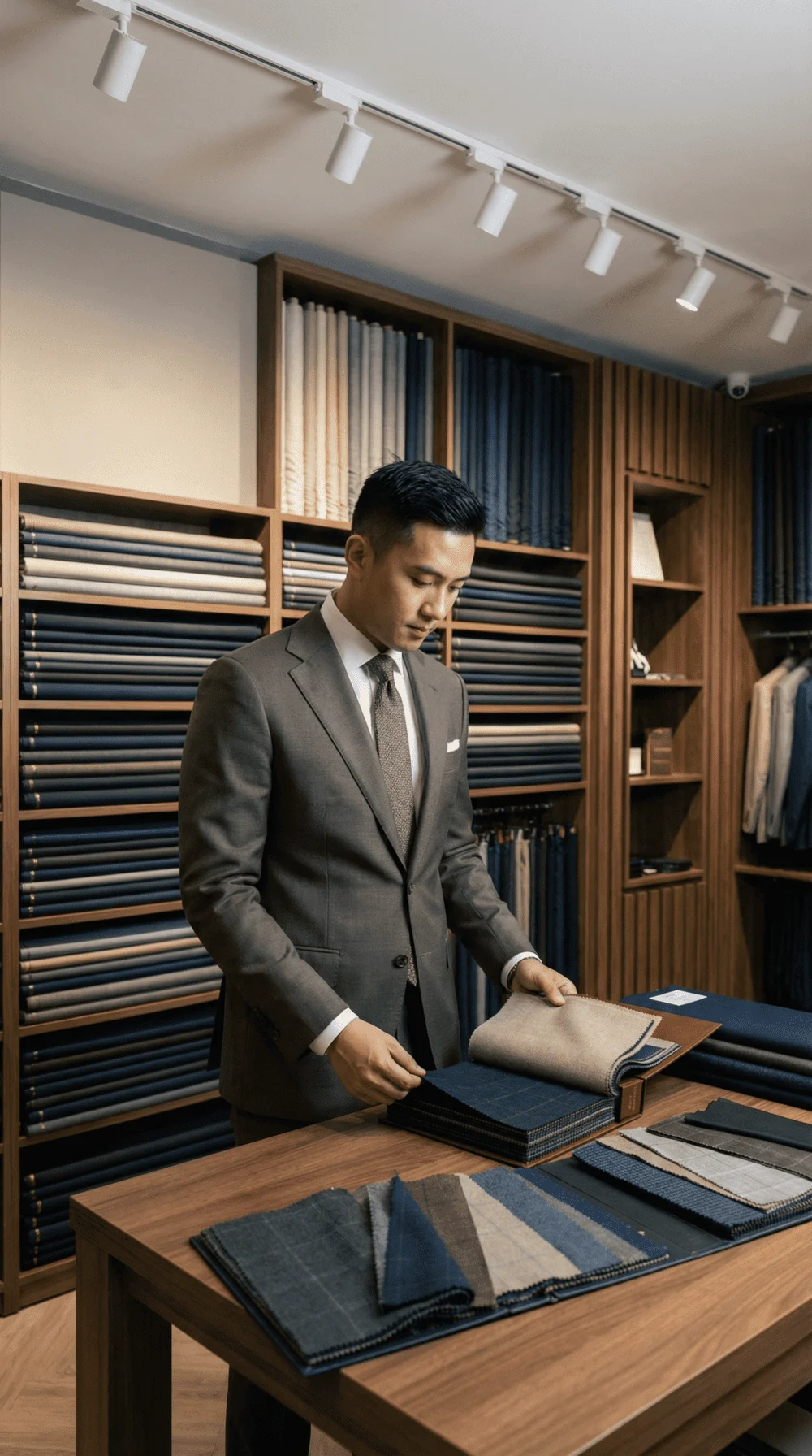
We then guide you through our extensive fabric library. We stock wools from premium mills, linens for summer weddings, velvets for winter elegance, and specialty fabrics for unique requests. We explain the properties of each fabric, helping you understand how it will perform in your specific wedding context. If your wedding is in Darwin in January, we will steer you toward breathable tropical wools and linens. If you are getting married in Melbourne in July, we will show you heavier wools and velvets.
16.4 Construction choices explained
Construction choices are explained clearly. We use full canvassed construction as standard, ensuring your waistcoat breathes, drapes beautifully, and moulds to your body over time. We discuss cloth back versus lining back, button choices, and pocket styles. Every detail is customisable to your preferences.

16.5 The fitting process
Our fitting process includes multiple stages. After the initial measurements, we create a preliminary garment for a first fitting. This allows us to assess the fit and make any necessary adjustments before completing the final waistcoat. For clients outside our immediate area, we offer remote measurement guidance and video consultations, ensuring that distance is no barrier to quality tailoring.

16.6 Expertise in all body types
We specialise in fitting all body types. Whether you are athletic with a significant drop from chest to waist, carrying weight in the midsection, tall and thin, or shorter in stature, we have the expertise to create a waistcoat that flatters your specific physique. We do not force you into standard sizing; we create sizing around you.

16.7 Australian climate specialisation
Our Australian climate expertise sets us apart. We understand the challenges of summer weddings in tropical Queensland, the unpredictability of spring weather in Sydney, and the cold of winter in Tasmania. We have dressed grooms for beach ceremonies, vineyard receptions, and formal hotel ballrooms. This experience informs our fabric recommendations and construction choices.

16.8 Wedding party services
We also offer comprehensive wedding party services. If you are a groom seeking to outfit your groomsmen, we provide coordinated packages that ensure uniformity while maintaining individual fit. We can create subtle distinctions between your waistcoat and those of your party, ensuring you stand out appropriately.

16.9 Beyond the wedding day
Our commitment extends beyond the wedding day. A Dunnio Tailor waistcoat is an investment piece that will serve you for years. We provide care instructions to ensure longevity. We offer alteration services if your body changes. We stand behind our craftsmanship with a satisfaction guarantee.

16.10 Choosing excellence
Choosing Dunnio Tailor means choosing expertise, quality, and personalised service. We are not a factory producing identical garments; we are artisans creating individual pieces for individual clients. Your wedding deserves nothing less than perfection, and we are dedicated to delivering it.
Conclusion: mastering the third piece
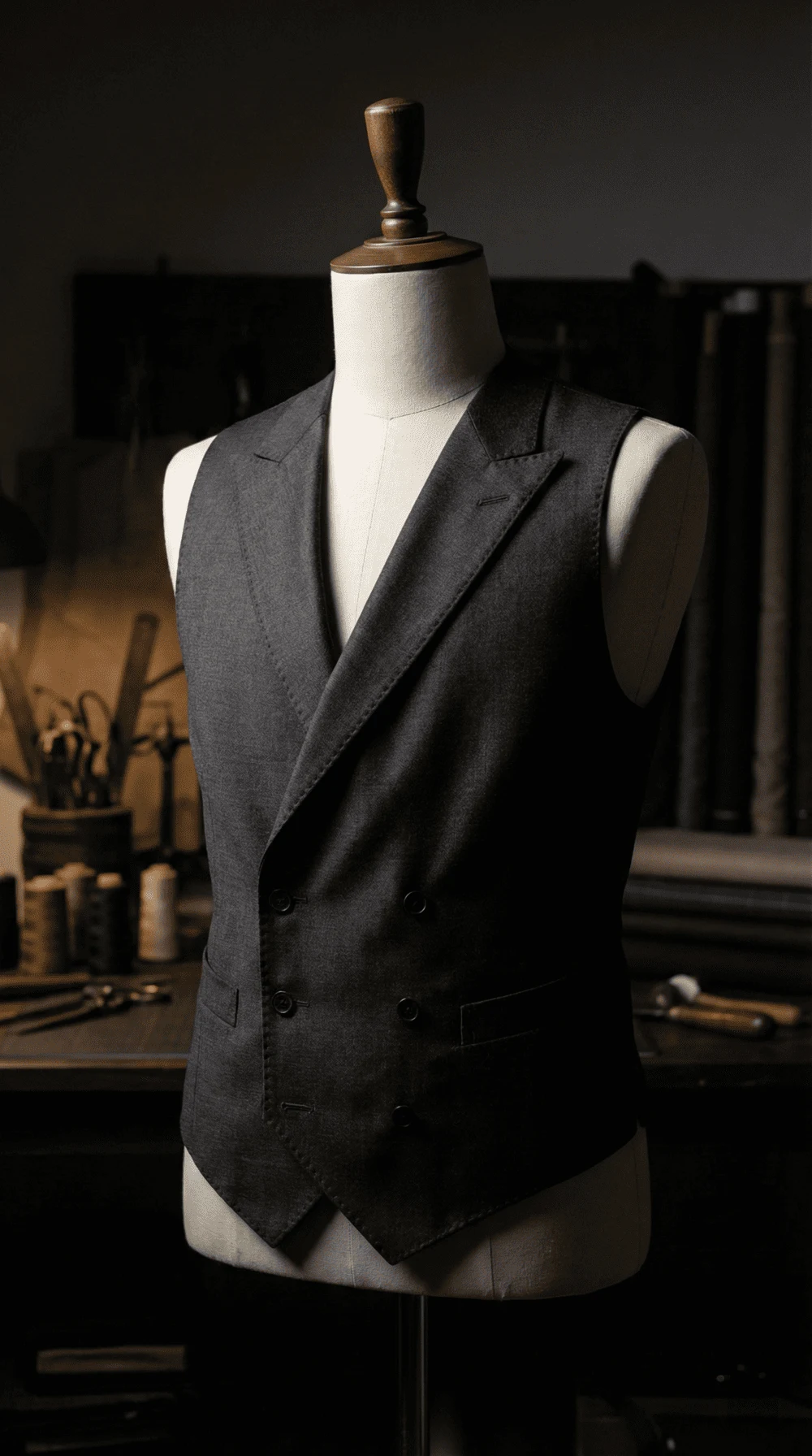
The vest vs waistcoat question, which seemed complex at the outset, ultimately resolves into a simple truth: the terminology matters less than the garment itself. Whether you call it a vest or a waistcoat, what matters is that it is properly constructed, expertly fitted, and thoughtfully styled for your specific needs.
For Australian weddings, the waistcoat serves multiple essential functions. It elevates formality, allowing you to maintain polish even when removing your jacket. It shapes your silhouette, creating structure and definition that enhances your appearance in photographs. It provides a canvas for personal expression through fabric, colour, and style choices. And when properly selected for the climate, it can even contribute to comfort rather than detracting from it.
The guidance provided in this comprehensive article equips you to make informed decisions about every aspect of waistcoat selection and styling. You understand the linguistic origins and cultural contexts. You know how to choose styles and fabrics appropriate for your body type. You can navigate the specific requirements of different wedding roles. You appreciate the construction quality that separates investment pieces from disposable fashion.
As you plan your wedding attire, remember that the third piece is not an afterthought or optional extra. It is an integral component of the three-piece suit, with a heritage stretching back centuries and a contemporary relevance driven by the return to considered, quality dressing. Whether you are the groom seeking to distinguish yourself, a groomsman supporting your friend, or a guest honouring the occasion, the right waistcoat enhances your presence and confidence.
At Dunnio Tailor, we are honoured to be part of your wedding journey. Our expertise in bespoke tailoring, our understanding of the Australian market, and our commitment to individual service ensure that your waistcoat will be everything it should be: perfectly fitted, beautifully constructed, and entirely yours. We invite you to visit our showroom, explore our fabrics, and experience the difference that true craftsmanship makes.
Your wedding day deserves the very best. Choose quality. Choose expertise. Choose Dunnio Tailor.